

What Is Multiple Myeloma?
Multiple myeloma is a complex and often challenging blood cancer that affects plasma cells, a crucial component of the immune system. It accounts for about 1-2% of all cancers and is the second most common blood cancer after non-Hodgkin lymphoma. According to the American Cancer Society, Multiple myeloma primarily affects older adults, with most diagnoses occurring after age 65. As awareness grows about this condition, understanding its causes, symptoms, diagnosis, and treatment options becomes essential for patients, caregivers, and healthcare professionals alike. Early detection and personalized treatment can significantly improve quality of life and outcomes.
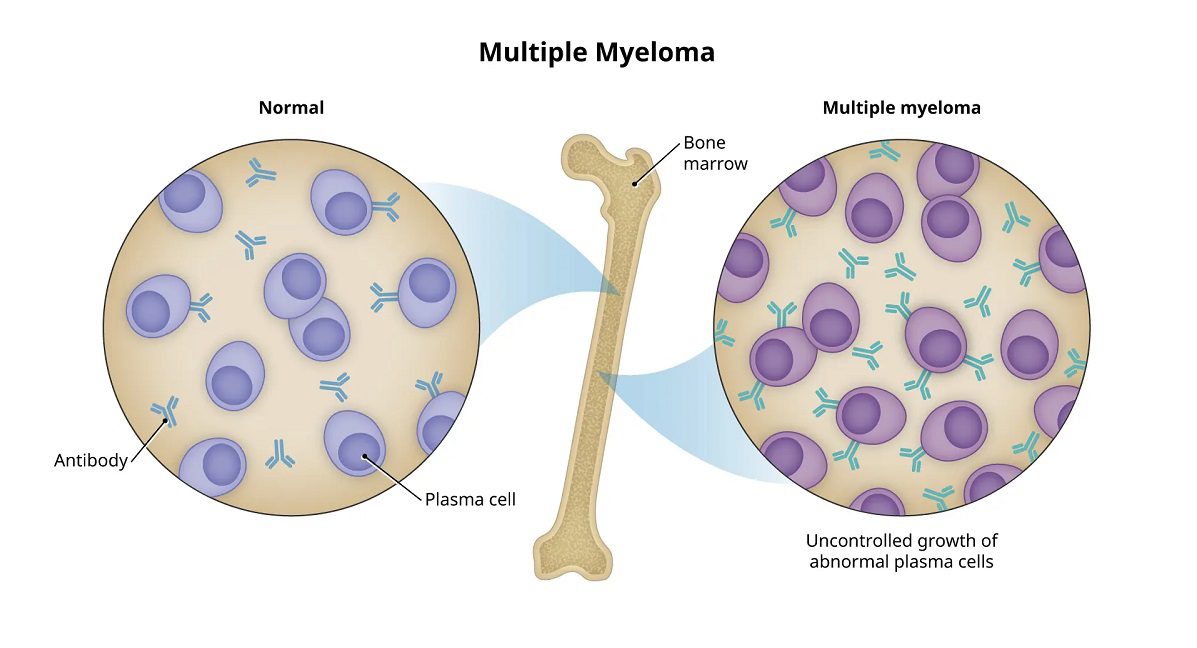
Multiple myeloma cancer originates in plasma cells, which are white blood cells produced in the bone marrow. Healthy plasma cells play a key role in the immune system by creating antibodies (immunoglobulins) that help fight infections. However, in multiple myeloma, these cells become cancerous and multiply uncontrollably, producing abnormal antibodies known as monoclonal proteins or M proteins.
These defective proteins do not function properly and can accumulate in the body, leading to organ damage. The cancerous cells crowd out healthy blood cells in the bone marrow, resulting in a range of complications. Multiple myeloma often develops from precursor conditions like monoclonal gammopathy of undetermined significance (MGUS), where M proteins are present but cause no symptoms. About 1% of people with MGUS progress to multiple myeloma each year, highlighting the importance of monitoring.
Urinary Tract Infections (UTI): Types, Causes, Symptoms, & Effective Treatment
The disease can be asymptomatic in its early stages (known as smoldering multiple myeloma) or present with severe symptoms. It is more prevalent in certain demographics, such as African Americans and men, and while it is not curable, advancements in treatment have extended survival rates significantly. The five-year survival rate has improved over the years due to targeted therapies and stem cell transplants.
Causes of Multiple Myeloma
The exact causes of multiple myeloma remain unclear, but research points to a combination of genetic, environmental, and lifestyle factors. It begins when a single plasma cell in the bone marrow undergoes a mutation, transforming it into a cancerous myeloma cell. This cell then divides rapidly, outpacing healthy cells and leading to the buildup of abnormal proteins.
Genetic abnormalities play a central role. Changes in chromosomes, such as deletions or translocations, can trigger uncontrolled cell growth. For instance, high levels of beta-2-microglobulin or certain genetic markers are associated with more aggressive forms of the disease. According to Mayo Clinic, multiple myeloma almost always starts as MGUS, a non-cancerous condition where M proteins are produced at low levels without causing damage. This progression underscores the need for regular check-ups in at-risk individuals.
Environmental exposures also contribute. Radiation exposure, such as from atomic bombs or medical treatments, has been linked to higher risks. Occupational hazards, including contact with chemicals in rubber manufacturing, woodworking, firefighting, or herbicides like those containing benzene, may increase susceptibility. Obesity is another modifiable risk factor; studies show that excess body weight can promote inflammation and cell mutations conducive to cancer development.
While no single cause is definitive, understanding these triggers helps in prevention strategies.
Risk Factors for Multiple Myeloma
Identifying risk factors is crucial for early intervention. Age is the most significant. The median age at diagnosis is around 66-70 years, with rare cases in those under 40. Men are slightly more affected than women, and racial disparities exist, African Americans have about twice the risk compared to Caucasians, possibly due to genetic predispositions.
Family history also matters. If a sibling or parent has multiple myeloma, your risk increases modestly. Pre-existing conditions like MGUS or solitary plasmacytoma (a single tumor of plasma cells) are strong precursors. According to WebMD, having a personal history of radiation exposure or chemical contact further elevates risk.
Understanding Down Syndrome: Causes, Types, Symptoms, & Treatment Options
Other factors include obesity, which may alter hormone levels and immune function, and a weakened immune system from conditions like HIV or organ transplants. While you cannot change genetics or age, maintaining a healthy weight and avoiding known toxins can mitigate some risks.
Symptoms of Multiple Myeloma
Symptoms of multiple myeloma can be subtle at first, often mimicking other conditions, which delays diagnosis. As the disease progresses, it affects multiple systems, leading to the acronym “CRAB” for common manifestations: Calcium elevation, Renal (kidney) problems, Anemia, and Bone abnormalities.
Bone pain is a hallmark, particularly in the spine, ribs, hips, or skull, due to cancerous cells weakening bones and causing fractures. This occurs because myeloma cells activate osteoclasts (cells that break down bone) without corresponding bone repair. High blood calcium levels from bone breakdown can cause hypercalcemia, leading to excessive thirst, frequent urination, constipation, nausea, and confusion.
Blood-related issues are prevalent. Anemia from crowded-out red blood cells causes fatigue, weakness, shortness of breath, and pale skin. Low platelet counts (thrombocytopenia) result in easy bruising or bleeding, while reduced white blood cells (leukopenia) increase infection risk, such as recurrent pneumonia or urinary tract infections.
Kidney damage is another key symptom. Abnormal M proteins can clog kidney filters, leading to reduced function, swelling in the legs, and even failure. Other signs include weight loss, loss of appetite, mental fogginess, nerve damage (numbness or tingling in extremities), and frequent infections due to impaired antibody production.
In advanced stages, symptoms may include vision problems, headaches, or heart issues from thickened blood. Early multiple myeloma may have no symptoms at all, emphasizing the need for routine blood tests in high-risk groups.
Diagnosis of Multiple Myeloma
Diagnosing multiple myeloma involves a multi-step process, starting with a thorough medical history and physical exam. If symptoms suggest the disease, blood and urine tests are the first line. A complete blood count (CBC) checks for anemia, low platelets, or white cells. Blood chemistry tests measure calcium, creatinine (for kidney function), and beta-2-microglobulin levels, which help stage the disease.
Specialized tests detect M proteins: serum protein electrophoresis (SPEP) and immunofixation identify abnormal antibodies in blood, while urine tests look for Bence Jones proteins (light chains). Elevated M proteins or light chains are red flags.
Thrombosis: Symptoms, Causes, Types, and Treatment
Bone marrow biopsy is confirmatory. A needle extracts marrow from the hip or sternum to examine plasma cell percentage, 10% or more abnormal cells suggest myeloma. Cytogenetic testing, including fluorescence in situ hybridization (FISH), analyzes genetic changes for prognosis.
Imaging is essential: X-rays (skeletal survey) detect bone lesions, while MRI, CT, or PET scans provide detailed views of bone damage or tumors. Bone density scans assess fracture risk.
Staging uses the International Staging System (ISS) or Revised ISS (R-ISS), based on beta-2-microglobulin, albumin, lactate dehydrogenase, and cytogenetics. Stage I is low-risk with better prognosis, while Stage III indicates aggressive disease.
Treatment Options for Multiple Myeloma
Treatment for multiple myeloma is tailored to the patient’s age, health, disease stage, and symptoms. The goal is to control the cancer, relieve symptoms, and improve life quality. Asymptomatic cases (smoldering myeloma) may involve watchful waiting with regular monitoring.
For active disease, treatment phases include induction (to reduce cancer cells), consolidation (to eliminate remnants), and maintenance (to prevent relapse). Common options:
Chemotherapy and Targeted Therapy
Chemotherapy drugs like melphalan, cyclophosphamide, or doxorubicin kill rapidly dividing cells. Targeted therapies are more precise: proteasome inhibitors (bortezomib, carfilzomib, ixazomib) block protein degradation in cancer cells, causing death. Monoclonal antibodies like daratumumab or elotuzumab target specific proteins on myeloma cells.
Immunomodulatory drugs (IMiDs) such as lenalidomide, pomalidomide, and thalidomide enhance immune response and inhibit cancer growth. Corticosteroids (dexamethasone, prednisone) reduce inflammation and boost other treatments.
Stem Cell Transplant
High-dose chemotherapy followed by autologous stem cell transplant (using the patient’s cells) is standard for eligible patients under 70. It allows higher chemo doses to destroy marrow, then reinfuses stem cells to regenerate healthy blood. Allogeneic transplants (donor cells) are riskier but potentially curative.
Radiation and Supportive Care
Radiation therapy targets painful bone lesions. Supportive treatments manage complications: bisphosphonates (zoledronic acid) or denosumab strengthen bones and prevent fractures. Plasmapheresis removes excess proteins from blood, while erythropoietin stimulates red blood cell production for anemia.
Renal Failure: Causes, Symptoms, Types & Treatment Options
Emerging therapies include CAR T-cell therapy (e.g., idecabtagene vicleucel), which engineers T cells to attack myeloma, and bispecific antibodies like teclistamab. Clinical trials offer access to innovations like venetoclax for relapsed cases.
Living with Multiple Myeloma: Prognosis and Lifestyle Tips
Prognosis varies; the average five-year survival is about 50-60%, but many live longer with modern treatments. Factors like stage, genetics, and response to therapy influence outcomes. High-risk features (e.g., certain chromosomal changes) worsen prognosis, while early detection improves it.
Living with multiple myeloma involves managing side effects like fatigue, infections, and pain. A balanced diet rich in nutrients supports immunity. Light exercise strengthens bones and boosts energy; avoid high-impact activities to prevent fractures. Emotional support through groups like the Multiple Myeloma Research Foundation can help cope with the psychological toll.
Prevent infections with vaccinations and hygiene. Regular dental care is crucial when on bone-strengthening drugs to avoid jaw issues.
Neuralgia: Symptoms, Causes, Types, and Effective Treatments