
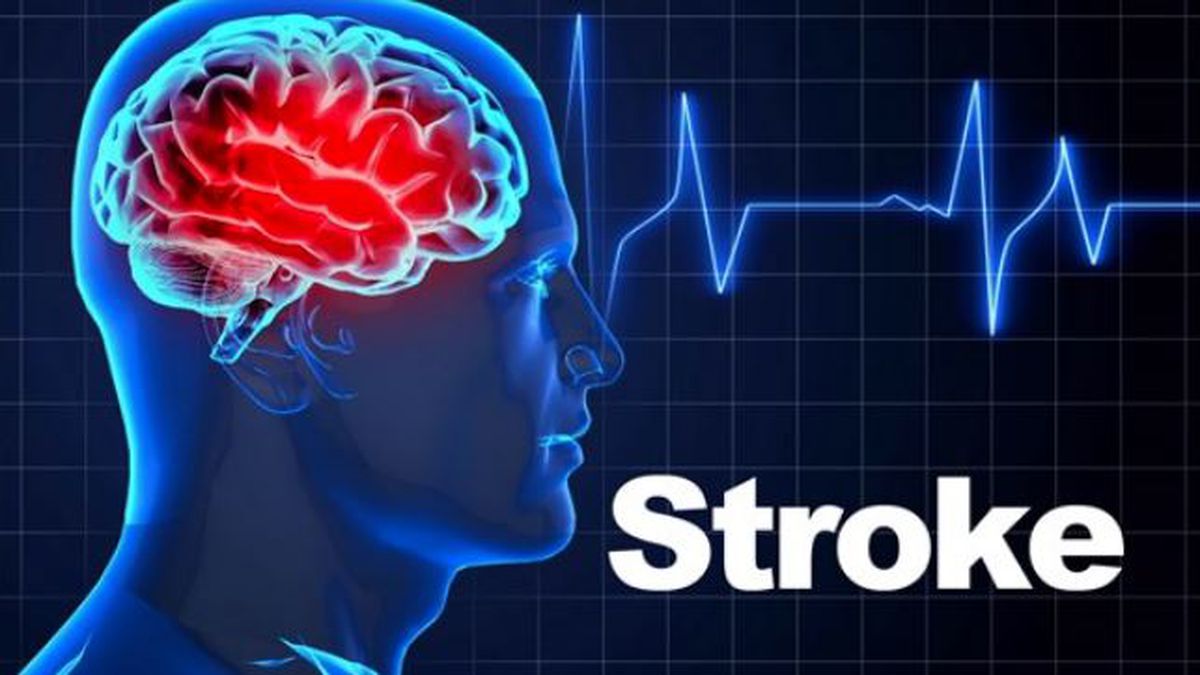
Stroke is a medical emergency that strikes without warning, affecting millions of people worldwide each year. Globally, stroke is the third most common cause of death, and carries an extremely high morbidity and disability burden, according to the World Health Organization (WHO).
Often called a “brain attack,” a stroke occurs when the blood supply to part of the brain is interrupted or reduced, thus, brain cells cannot get the oxygen and nutrients they need from blood when flow is compromised, and they begin to die within a few minutes. This can cause lasting brain damage, long-term disability, speech, cognition, and overall quality of life or even death. However, up to 80% of strokes are preventable through the management of modifiable risk factors.
The Two Main Types of Stroke
There are two primary types of stroke:
Ischemic Stroke: This occurs when blood clots or other particles block the blood vessels to the brain. Fatty deposits called plaque can also cause blockages by building up in the blood vessels. Ischemic stroke is the most common type, accounting for approximately 80-87% of all strokes.
Hemorrhagic Stroke: This happens when an artery in the brain leaks blood or ruptures (breaks open). The leaked blood puts too much pressure on brain cells, which damages them. High blood pressure and aneurysms (balloon-like bulges in an artery that can stretch and burst) are examples of conditions that can cause a hemorrhagic stroke .
Transient Ischemic Attack (TIA): The Warning Stroke
A transient ischemic attack (TIA) is sometimes called a “mini-stroke” or “warning stroke.” It is different from the major types of stroke because blood flow to the brain is blocked for only a short time, usually no more than 5 minutes.
Colon Cancer: Symptoms, Stages, Screening, and Treatment
Key facts about TIAs:
- A TIA is a warning sign of a future stroke
- A TIA is a medical emergency, just like a major stroke
- There is no way to know in the beginning whether symptoms are from a TIA or a major stroke
- More than a third of people who have a TIA and don’t get treatment have a major stroke within 1 year
- As many as 10% to 15% of people will have a major stroke within 3 months of a TIA
Recognizing and treating TIAs can lower the risk of a major stroke. If you have a TIA, your healthcare team can find the cause and take steps to prevent a major stroke.
Pathophysiology: How Stroke Damages the Brain
The Oxygen Deprivation Cascade
An ischemic stroke is death of an area of brain tissue (cerebral infarction) resulting from an inadequate supply of blood and oxygen to the brain due to blockage of an artery . Most brain cells die if they are deprived of blood for 4.5 hours, though the exact timeframe varies based on collateral circulation .
The Role of Collateral Arteries
Why do some people with the same arterial blockage have massive strokes while others have only minor symptoms or none at all? The answer lies in collateral arteries, the blood vessels that run between other arteries, providing extra connections. These include the circle of Willis, a circular arrangement of arteries at the base of the brain that connects the vertebral and internal carotid arteries.
Some people are born with large collateral arteries, which can protect them from strokes. When one artery is blocked, blood flow continues through a collateral artery, sometimes preventing a stroke. Others are born with small collateral arteries, which may be unable to pass enough blood to the affected area, resulting in a stroke.
Influenza (Flu): Symptoms, Causes, and Treatment Options
The body can also protect itself against strokes by growing new arteries. When blockages develop slowly and gradually (as occurs in atherosclerosis), new arteries may grow in time to keep the affected area of the brain supplied with blood and thus prevent a stroke .
The Ischemic Penumbra
Acute ischemic stroke is characterized by a critical reduction in cerebral blood flow below the ischemic threshold, resulting in irreversible neuronal death and impaired neurological function. The management of ischemic stroke is time-critical, with the priority being to reperfuse the area surrounding the lesion, the ischemic penumbra, where neuronal viability may be preserved if blood flow is restored quickly.
Causes of Stroke
Causes of Ischemic Stroke: According to the MSD Manuals, an ischemic stroke typically results from blockage of an artery that supplies blood to the brain, most commonly a branch of one of the internal carotid arteries .
Common Mechanisms of Blockage:
- Forming in and blocking an artery directly: An atheroma in the wall of an artery may continue to accumulate fatty material and become large enough to block the artery. Even if the artery is not completely blocked, the atheroma narrows the artery and slows blood flow through it. Slow-moving blood is more likely to clot .
- Traveling from another artery to an artery in the brain: A piece of an atheroma or a blood clot can break off and travel through the bloodstream (becoming an embolus). The embolus may then lodge in an artery that supplies the brain and block blood flow there .
- Traveling from the heart to the brain: Blood clots may form in the heart or on a heart valve, particularly artificial valves and valves damaged by infection. These clots may break off and travel as emboli and block an artery to the brain. Strokes due to such blood clots are most common among people who have recently had heart surgery, who have had a heart attack, or who have a heart valve disorder or abnormal heart rhythm, especially atrial fibrillation .
Other Causes of Ischemic Stroke:
- Blood disorders (polycythemia, antiphospholipid syndrome, hyperhomocysteinemia) that make blood more likely to clot
- Oral contraceptives, particularly those with high estrogen doses
- Inflammation of blood vessels (vasculitis) or infection (herpes simplex, meningitis, syphilis)
- Arterial dissection (separation of artery wall layers)
- Drug-induced vasospasm (cocaine, amphetamines)
- General decrease in blood flow (severe blood loss, dehydration, very low blood pressure)
- Conditions reducing blood oxygen content (severe anemia, carbon monoxide poisoning)
Causes of Hemorrhagic Stroke
A hemorrhagic stroke occurs when a weakened blood vessel ruptures and bleeds into the surrounding brain tissue. The accumulated blood compresses brain structures, causing damage. Common causes include:
- Chronic, uncontrolled hypertension (high blood pressure)
- Cerebral aneurysms (balloon-like bulges in artery walls that can stretch and burst)
- Arteriovenous malformations (abnormal tangles of blood vessels)
- Head trauma
- Blood-thinning medications (anticoagulants)
Testosterone and Hormones: Optimization of Low Testosterone with Natural Remedy and Supplementation
Risk Factors of Stroke
Modifiable and Non-Modifiable Risk Factors
Modifiable Risk Factors (You Can Change):
- Hypertension (high blood pressure): This is the single most important controllable risk factor, accounting for nearly one-third of stroke risk. If hypertension alone were eliminated, the number of strokes worldwide would be cut almost in half.
- Atrial fibrillation: An irregular heart rhythm that significantly increases stroke risk; many AF patients are not treated with appropriate oral anticoagulants
- Diabetes mellitus: High blood sugar increases the risk of clots and damages blood vessels
- Dyslipidemia: High cholesterol leads to plaque buildup in arteries
- Tobacco smoking: Nicotine and carbon monoxide damage the cardiovascular system
- Obesity and physical inactivity
- Poor diet: High in saturated fats, processed foods, low in fruits and vegetables
- Excessive alcohol consumption
Non-Modifiable Risk Factors (You Cannot Change):
- Age: The risk of stroke doubles for each decade after age 55
- Family history: Having a first-degree relative with stroke increases personal risk
- Race: Certain populations have higher stroke incidence
- Sex: Women have more strokes than men and are more likely to die from them
- Prior stroke or TIA: Having one significantly increases risk of another
Symptoms of Stroke
The Classic FAST Criteria
Time lost is brain lost. Recognizing the signs of a stroke and calling emergency services immediately is the single most important factor in determining outcomes. The acronym FAST is the most commonly used tool for identifying a possible acute stroke:
- F – Face Drooping: Does one side of the face droop or is it numb? Ask the person to smile. Is the smile uneven?
- A – Arm Weakness: Is one arm weak or numb? Ask the person to raise both arms. Does one arm drift downward?
- S – Speech Difficulty: Is speech slurred, strange, or hard to understand? Ask the person to repeat a simple sentence.
- T – Time to call emergency services: If you see any of these signs, even if they go away, call for an ambulance immediately. Note the time when symptoms first appeared.
Erectile Dysfunction: Causes, Symptoms, Diagnosis & Treatment Options
Beyond FAST: The Case for “Be Very FAST”
The FAST criteria, while excellent for identifying many strokes, fail to include visual or vestibular changes that can be hallmarks of an acute stroke. According to NIH 2022 case report, the incidence of visual problems during an acute stroke is high, affecting more than half of survivors .
The authors propose a new mnemonic for acute stroke: “Be Very FAST” :
| Abbreviation | Mnemonic | Description |
| Be | Balance or coordination | Sudden impairment in balance or coordination |
| Very | Vision | Sudden loss of vision or complaint of blurry or double vision |
| F | Face | Sudden facial drooping |
| A | Arm | Weakness or drift of the arm |
| S | Speech | Sudden impairment in speech including slurring |
| T | Time | Act to call emergency services immediately |
Additional Stroke Symptoms
Other symptoms that may indicate a stroke include:
- Sudden numbness or weakness in the leg
- Sudden confusion, trouble understanding, or disorientation
- Sudden trouble walking, dizziness, or loss of balance
- Sudden severe headache with no known cause
Diagnosis of Stroke
The National Institutes of Health Stroke Scale (NIHSS): Once a patient arrives at the hospital, the NIHSS is the primary stroke assessment scale used by healthcare professionals. The scale evaluates 11 neurological functions, including motor strength, sensation, language ability, and vision. Scores range from 0 (no deficit) to 42 (severe deficit).
NIHSS scores guide treatment decisions:
- Score 0-4: Mild deficit; may not be candidate for thrombolysis based on some protocols
- Score 5-14: Mild-to-moderately severe
- Score 15-24: Severe
- Score >25: Very severe; IV thrombolysis is usually contraindicated
Brain Imaging – The Critical Step: It is difficult to distinguish between acute ischemic stroke (AIS) and intracerebral hemorrhage (ICH) clinically, so cranial imaging is required before commencing treatment. Moreover, imaging is essential in assessing patients’ suitability for different treatments, including intravenous thrombolysis and endovascular thrombectomy .
Initial Imaging:
- Non-contrast CT scan: Usually the first test to rapidly rule out hemorrhage
- CT angiography: Evaluates blood vessels and identifies large vessel occlusions
Advanced Imaging:
- MRI: Provides more detailed images and can identify smaller or more subtle infarcts
- Vascular imaging of cervical arteries: Should be carried out as soon as possible in any ischemic stroke to identify carotid or vertebral artery pathology
Additional Diagnostic Tests
- Electrocardiogram (ECG): To identify atrial fibrillation or other cardiac arrhythmias
- Echocardiogram: To identify cardiac sources of emboli (clots from the heart)
- Carotid ultrasound: To assess for carotid artery stenosis
- Blood tests: Complete blood count, coagulation profile, glucose, lipid profile, and markers of inflammation
Esophageal Cancer: Symptoms, Causes, Diagnosis, and Treatment
Treatment Options for Stroke
The management of acute ischemic stroke has improved dramatically over the last few decades due to extensive research and innovation, leading to earlier detection and superior treatments available to a larger cohort of patients, resulting in improved functional outcomes.
Time is Brain
After achieving patient stabilization, the immediate management priority is to expedite reperfusion by timely, safe, and effective recanalization of the occluded vessel. Restoration of cerebral blood flow targets the ischemic penumbra, reversibly damaged brain tissue that can be saved if blood flow is restored quickly.
Intravenous Thrombolysis (Clot-Busting Medication)
Tissue plasminogen activator (TPA), also known as alteplase, is a clot-busting drug that can dissolve the clot causing an ischemic stroke. Guidelines now support administration of recombinant tissue plasminogen activator (rt-PA) up to 4.5 hours after symptom onset in select patient groups.
Eligibility considerations:
- Must be administered within a narrow time window (typically within 4.5 hours of symptom onset)
- Requires confirmed absence of hemorrhage on brain imaging
- Certain medical conditions and medications may exclude patients
- Benefit is greatest when treatment is given earliest
Endovascular Thrombectomy (Mechanical Clot Removal)
Endovascular thrombectomy (EVT) is a procedure where a doctor threads a catheter through the arteries to the brain to mechanically remove the clot. This can be effective up to 24 hours after symptom onset for select patients with large vessel occlusions.
EVT is indicated for patients with:
- Confirmed large vessel occlusion (internal carotid artery or proximal middle cerebral artery)
- Salvageable brain tissue on advanced imaging (small core infarct, large penumbra)
- Treatment initiated within 6-24 hours depending on imaging findings
Antiplatelet Therapy
Administration of antiplatelet agents (aspirin) within 48 hours of acute ischemic stroke onset for patients not receiving thrombolytics is advised. Aspirin reduces the risk of recurrent stroke in the acute period.
Immune Boosters for Kids: Foods, Habits & Supplements That Actually Work
Management of Hemorrhagic Stroke
For hemorrhagic stroke, the focus is on controlling the bleed:
- Medications to reduce blood pressure and prevent seizures
- Reversal of anticoagulant effects if the patient was on blood thinners
- Surgical evacuation of large hematomas in certain cases
- Endovascular coiling or surgical clipping of cerebral aneurysms
Decompressive Craniectomy
For patients with malignant middle cerebral artery (MCA) stroke, a massive stroke causing severe brain swelling, decompressive craniectomy (removing a portion of the skull to allow the brain room to swell) may be life-saving .
Rehabilitation and Recovery
The Role of Neuroplasticity
Stroke recovery is a lifelong journey that begins the moment the patient is stabilized. The brain has a remarkable ability to heal and rewire itself (neuroplasticity), especially with dedicated rehabilitation efforts.
Stroke Rehabilitation Therapies
A team of rehabilitation specialists typically works together to help patients recover:
- Physical Therapists: Help patients relearn movement, coordination, balance, and walking
- Occupational Therapists: Help patients relearn everyday activities like eating, dressing, bathing, and returning to work
- Speech-Language Pathologists: Help patients recover speech, language skills, and address swallowing problems (dysphagia)
Cognitive and Emotional Recovery
Beyond physical challenges, many stroke survivors experience:
- Depression, anxiety, frustration, and personality changes
- Cognitive impairments affecting memory, judgment, and attention
- Fatigue and sleep disturbances
Support from mental health professionals, support groups, and family is crucial for holistic recovery.
Prognosis for Recovery
About one-third of people recover all or most of normal function after an ischemic stroke. Recovery outcomes depend on:
- Severity of the initial stroke
- Timeliness of acute treatment
- Patient age and pre-existing health conditions
- Quality and intensity of rehabilitation
- Patient motivation and support system
Sepsis: Causes, Symptoms, Diagnosis & Treatment Options
Complications of Stroke
Acute Complications
- Brain edema: Swelling of brain tissue, which can increase intracranial pressure
- Hemorrhagic transformation: Bleeding into an area of ischemic stroke
- Seizures: Occur in approximately 5-10% of stroke patients
- Deep vein thrombosis and pulmonary embolism: Due to immobility
- Dysphagia: Difficulty swallowing, leading to aspiration pneumonia
- Urinary tract infections due to catheter use or bladder dysfunction
- Pressure ulcers (bedsores) from immobility
Long-Term Complications
- Permanent neurological deficits: Weakness, paralysis, sensory loss
- Chronic pain syndromes: Including central post-stroke pain
- Depression and anxiety: Affects up to one-third of stroke survivors
- Cognitive decline and dementia: Stroke increases risk of vascular dementia
- Recurrent stroke: Risk is highest in the first year following a stroke
- Post-stroke fatigue: Persistent exhaustion affecting quality of life
Prevention of Stroke
Primary Prevention: Preventing the First Stroke
Up to 80% of strokes are preventable through lifestyle modification and management of medical conditions .
Lifestyle Interventions:
- Blood pressure control: This is the single most important intervention for stroke prevention. Target blood pressure is typically <130/80 mmHg for most adults.
- Physical activity: Aim for at least 150 minutes of moderate-intensity aerobic activity (like brisk walking) every week.
- Healthy diet: Follow a diet low in saturated fat, trans fat, and cholesterol and high in fiber. The DASH (Dietary Approaches to Stop Hypertension) and Mediterranean diets are excellent models.
- Weight management: Maintain a healthy body weight; goal BMI <25 kg/m².
- Smoking cessation: Quitting smoking significantly reduces stroke risk.
- Alcohol moderation: Limit alcohol to no more than 1-2 drinks daily.
- Management of chronic conditions:
-
- Diabetes: Keep blood sugar within target range
- Atrial fibrillation: Appropriate anticoagulation reduces stroke risk by 60-70%
- High cholesterol: Statin therapy when indicated
Secondary Prevention: Preventing Recurrent Stroke
For patients who have already had a stroke or TIA, secondary prevention strategies are aggressive and lifelong:
- Antiplatelet therapy: Aspirin, clopidogrel, or combined therapy based on stroke type and patient factors
- Anticoagulation for atrial fibrillation: Warfarin or direct oral anticoagulants (DOACs)
- Carotid revascularization: Carotid endarterectomy or stenting for patients with significant carotid artery stenosis
- Intensive risk factor management: Including aggressive blood pressure lowering (often targeting <130/80 mmHg)
- Lifestyle modification as above
The message for patients, families, and healthcare providers is clear: stroke is predictable, preventable, and treatable. Recognizing warning signs, acting fast, controlling risk factors, and adhering to evidence-based treatments are the pillars of reducing the burden of this devastating disease. With timely intervention and comprehensive rehabilitation, many stroke survivors can achieve meaningful recovery and return to productive lives.
Menstrual Disorders: Types, Causes, Symptoms & Treatment Options
Frequently Asked Questions about Stroke (FAQs)
- What is the difference between a stroke and a TIA?
A stroke (ischemic or hemorrhagic) causes permanent brain damage because blood flow is blocked long enough for brain cells to die. A transient ischemic attack (TIA or “mini-stroke”) is caused by a temporary blockage that resolves on its own within a short time—usually less than 5 minutes—and causes no permanent brain damage. However, a TIA is a serious warning sign: more than a third of people who have a TIA and don’t get treatment will have a major stroke within 1 year . Both require emergency medical evaluation.
- What is the treatment window for a stroke?
For acute ischemic stroke, intravenous thrombolysis (clot-busting medication) can be administered up to 4.5 hours after symptom onset in eligible patients . Endovascular thrombectomy (mechanical clot removal) can be effective up to 24 hours after symptom onset for select patients with large vessel occlusions . However, treatment should be given as early as possible—”time is brain”—because benefit diminishes and risks increase as time passes.
- Can you fully recover from a stroke?
About one-third of people recover all or most of normal function after an ischemic stroke . Recovery outcomes vary widely based on stroke severity, timeliness of treatment, patient age and health, and quality of rehabilitation. The brain has a remarkable ability to heal and rewire itself (neuroplasticity), especially with dedicated rehabilitation. However, many survivors have some permanent deficits, ranging from mild weakness to significant disability.
- Which is worse: ischemic or hemorrhagic stroke?
Hemorrhagic stroke is less common but often more deadly, with higher mortality rates than ischemic stroke. However, both types can be devastating. The outcome depends on the size and location of the stroke, how quickly treatment is received, and the patient’s overall health. Ischemic strokes are more common (80-87% of strokes) and are treatable with clot-busting drugs and clot removal procedures. Hemorrhagic strokes generally require different management approaches, including blood pressure control and sometimes surgery.
- Can a stroke be cured?
While there is no singular “cure” for the damage caused by a stroke, emergency treatments like tPA (tissue plasminogen activator) and thrombectomy can stop a stroke in its progress and drastically reduce long-term disability . The brain can then heal through rehabilitation, but recovery varies greatly from person to person. The term “cure” is less relevant than “recovery”, many stroke survivors regain significant function through rehabilitation, though some deficits may persist.
Tuberculosis (TB): Symptoms, Diagnosis, and Treatment
What Is Muscular Dystrophy? Causes, Types & Treatment Advancements
Congenital Heart Disease: Types, Causes, Symptoms & Treatment Options