

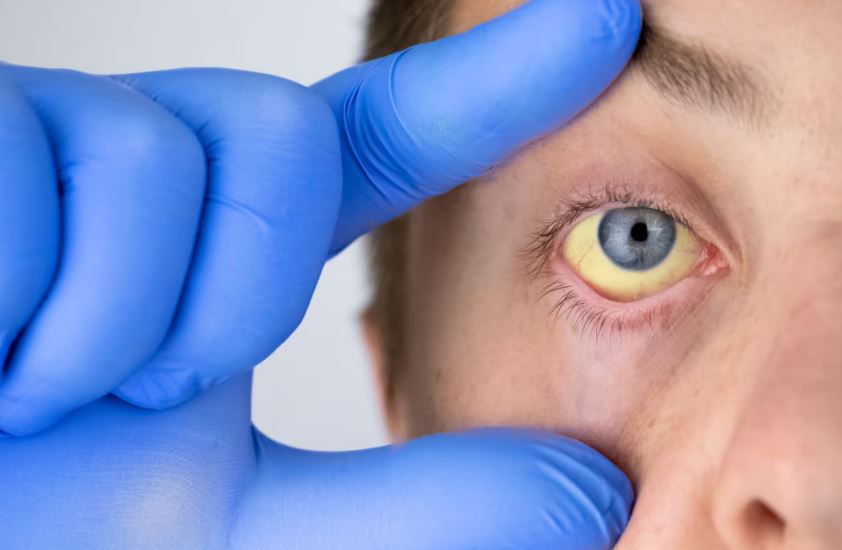
Anemia is a widespread blood disorder that affects millions globally, leading to reduced oxygen-carrying capacity in the blood and a host of debilitating symptoms. According to the World Health Organization, anemia impacts over 1.9 billion people worldwide, with women and children being the most vulnerable groups. This condition, characterized by a deficiency in red blood cells or hemoglobin, can stem from nutritional deficiencies, chronic diseases, or genetic factors. Early detection is crucial, as untreated anemia can lead to complications like heart problems, developmental delays in children, or severe fatigue that disrupts daily life.
What Is Anemia?
Anemia occurs when your blood lacks enough healthy red blood cells or hemoglobin, the protein that carries oxygen from your lungs to the rest of your body. This results in tissues and organs receiving insufficient oxygen, leading to various symptoms. Anemia can make you feel tired and weak, with many types caused by a lack of iron or other nutrients. Hemoglobin levels below 13.5 g/dL in men and 12 g/dL in women typically indicate anemia, though thresholds vary by age and sex.
Anemia remains a global health challenge, exacerbated by factors like poor diet, infections, and climate-related food insecurity. However, symptoms can range from mild to severe and may be life-threatening in extreme cases, according to Cleveland Clinic. Understanding anemia starts with recognizing its diverse forms, as each type has unique triggers and management strategies.
Types of Anemia: A Comprehensive Breakdown
There are over 400 types of anemia, each with distinct characteristics and underlying mechanisms. The different types of anemia are categorized based on causes, such as deficiencies, blood loss, or red blood cell destruction.
Bone Fractures: Types, Causes, Symptoms & Treatment Options
Iron-Deficiency Anemia
The most prevalent form, affecting about 50% of anemia cases worldwide. It occurs when your body lacks iron to produce hemoglobin. Common in menstruating women, pregnant individuals, and vegetarians.
Vitamin Deficiency Anemias
These include B12 (pernicious anemia) and folate deficiencies, leading to megaloblastic anemia where red blood cells are abnormally large. These can result from poor diet or malabsorption issues.
Anemia of Chronic Disease
Associated with long-term illnesses like kidney disease, cancer, or infections. The body hoards iron, reducing availability for red blood cell production.
Aplastic Anemia
A rare, serious type where bone marrow fails to produce enough blood cells. It can be triggered by toxins, medications, or autoimmune disorders.
Hemolytic Anemias
Involve premature destruction of red blood cells, such as in sickle cell anemia (genetic) or autoimmune hemolytic anemia. Sickle cell affects millions, particularly in African and Mediterranean descent populations.
Thalassemia
Genetic disorders impairing hemoglobin production, common in Mediterranean, African, and Asian regions.
Identifying the particular type of anemia through blood tests is essential for targeted treatment.
Causes of Anemia: Unraveling the Root Factors
Anemia’s causes are multifaceted, often overlapping. The American Society of Hematology states that poor diet, intestinal disorders, chronic diseases, and infections are key risks. Some of the causes of anemia are:
Nutritional Deficiencies
Iron, vitamin B12, folate, and vitamin C shortages are primary. Iron deficiency often results from blood loss (menstruation, ulcers) or inadequate intake.
Blood Loss
Acute (injury) or chronic (gastrointestinal bleeding, heavy periods). WebMD notes that for women, Increased menstrual bleeding can worsen anemia in women.
Chronic Diseases and Inflammation
Conditions like rheumatoid arthritis or kidney failure impair red blood cell production.
Bone Marrow and Stem Cell Issues
Cancers, aplastic anemia, or toxins disrupt marrow function.
Genetic Factors
Inherited disorders like thalassemia or sickle cell.
Infections and Medications
Malaria, HIV, or drugs like chemotherapy can induce anemia.
Ulcerative Colitis: Causes, Symptoms, Treatment & Long-Term Care
Symptoms of Anemia: Recognizing the Warning Signs
Symptoms vary by type and severity but often develop gradually.
General Symptoms include:
- Fatigue and weakness
- Pale skin, especially in nails and eyelids
- Shortness of breath, dizziness
- Cold hands/feet
- Headaches
Symptoms Specific to Types
- Iron-deficiency: Brittle nails, mouth ulcers (WebMD).
- B12 deficiency: Numbness, memory issues
- Hemolytic: Jaundice, dark urine
In children: Irritability, poor growth.
SEVERE ANEMIA MAY MIMIC HEART FAILURE.
Diagnosis of Anemia: Tests and Procedures
Diagnosing anemia involves blood tests and history. Complete blood count (CBC) measures hemoglobin, red cell count, and indices like MCV for type classification.
- Ferritin for iron stores
- Vitamin levels for deficiencies
- Bone marrow biopsy for rare cases
Effective Treatment Options for Anemia
There are several treatment options for anemia, including diet, supplements, medications, or transfusions. Treatment options target the cause, for instance:
Nutritional Supplements: Iron pills for deficiency; B12 injections for pernicious.
Dietary Changes: Iron-rich foods (red meat, spinach); vitamin C enhances absorption.
Medications: Erythropoietin for chronic kidney disease; immunosuppressants for autoimmune.
Blood Transfusions: For severe cases of anemia.
Bone Marrow Transplant: For aplastic or genetic anemias.
In some cases like sickle cell, gene therapies (e.g., CRISPR-based) become more effective. It is necessary to address underlying conditions or root cause of the anemia, like treating infections.
Ulcerative Colitis Diet Plan: What to Eat During a Flare and Remission
Note: Untreated anemia can cause heart enlargement, pregnancy risks, cognitive delays. Manage with regular monitoring, lifestyle (diet, exercise).
Prevention of Anemia
Anemia is preventable and manageable with awareness. From types like iron-deficiency to treatments like supplements, options abound. In preventing anemia, balanced diet, supplements for at-risk groups, and treatment of chronic diseases are very crucial. Most importantly, consult a healthcare provider for personalized plans.
Cushing’s Syndrome: Causes, Symptoms, Diagnosis & Treatment Options
Hepatitis A, B & C: Causes, Symptoms, Transmission & Treatment