

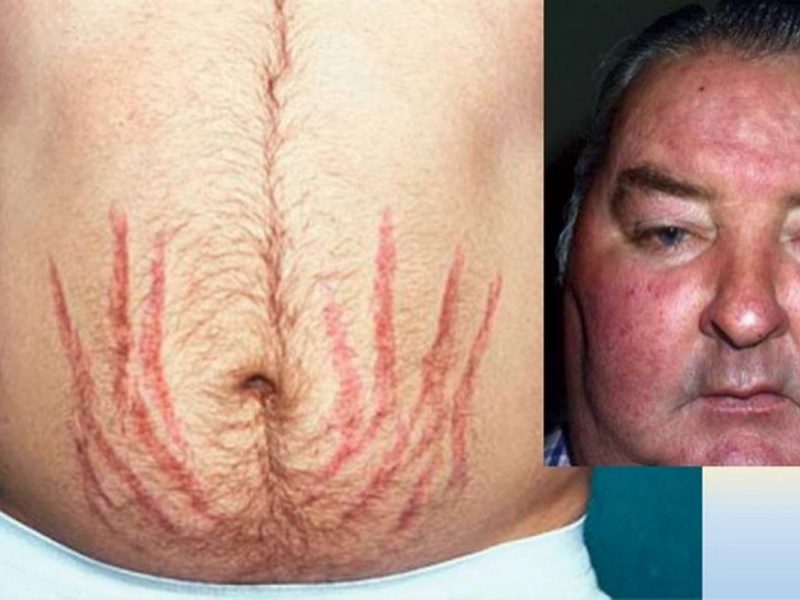
Cushing’s syndrome, a rare but serious endocrine disorder, affects thousands worldwide, leading to a cascade of health issues if left untreated. If you’re experiencing unexplained weight gain, high blood pressure, or persistent fatigue, you might be wondering: Could this be Cushing’s syndrome? This condition, caused by prolonged exposure to high cortisol levels—the body’s stress hormone—can disrupt metabolism, immunity, and more. According to the National Institute of Diabetes and Digestive and Kidney Diseases (NIDDK), Cushing’s syndrome impacts about 10 to 15 million people annually, often going undiagnosed for years. Untreated Cushing’s can lead to diabetes, osteoporosis, and even life-threatening complications.
What Is Cushing’s Syndrome?
Cushing’s syndrome, also known as hypercortisolism, occurs when your body is exposed to excessive levels of cortisol for an extended period. Cortisol, produced by the adrenal glands atop your kidneys, regulates blood pressure, reduces inflammation, and helps convert food into energy. However, too much cortisol throws these processes into disarray.
Named after neurosurgeon Harvey Cushing who described it in 1932, Cushing syndrome is not to be confused with Cushing’s disease, a specific type caused by a pituitary tumor. While rare, its prevalence is rising due to increased glucocorticoid use and better diagnostics. The Cleveland Clinic notes that women are three times more likely to develop it than men, often between ages 30 and 50. Symptoms can mimic other conditions like polycystic ovary syndrome (PCOS) or metabolic syndrome, making it the “great imitator” of endocrine disorders.
Understanding the difference between Cushing’s syndrome and Cushing’s disease:
Cushing’s syndrome encompasses all causes of excess cortisol, while Cushing’s disease refers specifically to pituitary-driven cases, accounting for about 70% of endogenous (internal) instances.
Anemia: Types, Causes, Symptoms & Effective Treatment Options
Causes of Cushing’s Syndrome
The root causes of Cushing’s syndrome fall into two categories: exogenous (external) and endogenous (internal).
Exogenous Causes: Medication-Induced
The most common trigger is prolonged use of glucocorticoid medications, which mimic cortisol. These are prescribed for conditions like asthma, rheumatoid arthritis, lupus, or post-organ transplant to suppress immunity. Oral steroids like prednisone, injections into joints, or even inhaled/topical forms in high doses can lead to iatrogenic (medication-caused) Cushing’s.
Endogenous Causes: Internal Overproduction
When the body produces too much cortisol independently, it is endogenous. Key causes include:
- Pituitary Tumors (Cushing’s Disease): Noncancerous adenomas on the pituitary gland overproduce adrenocorticotropic hormone (ACTH), signaling the adrenals to ramp up cortisol. This accounts for 8 out of 10 endogenous cases, and it is more common in women.
- Ectopic ACTH-Producing Tumors: Rare tumors outside the pituitary (e.g., in lungs, pancreas, thyroid) secrete ACTH. These may be benign or malignant, like small cell lung cancer.
- Adrenal Gland Abnormalities: Tumors on the adrenal glands themselves, such as adenomas (benign) or carcinomas (cancerous), directly overproduce cortisol. Nodular hyperplasia (multiple lumps) is another variant.
- Familial or Genetic Factors: Rare inherited conditions like multiple endocrine neoplasia type 1 (MEN1) increase tumor risk.
The exogenous causes are far more prevalent, but endogenous ones are trickier to pinpoint. Risk factors include obesity, type 2 diabetes, and chronic stress, though these do not directly cause it.
Symptoms of Cushing’s Syndrome: Recognizing the Red Flags
Symptoms of Cushing’s syndrome develop gradually, often dismissed as aging or stress. They stem from cortisol’s widespread effects on the body.
Common Physical Symptoms
- Weight Gain and Fat Redistribution: Central obesity with a rounded “moon face,” “buffalo hump” (fat pad between shoulders), and abdominal fat, while arms and legs remain thin.
- Skin Changes: Thin, fragile skin that bruises easily; slow-healing wounds; acne; purple stretch marks (striae) on the abdomen, thighs, breasts, and arms.
- Muscle and Bone Issues: Weak muscles, leading to difficulty climbing stairs; osteoporosis causing fractures.
- Cardiovascular and Metabolic: High blood pressure; elevated blood sugar, potentially leading to diabetes.
Gender-Specific and Other Symptoms
- In Women: Hirsutism (excess hair on face, chest); irregular or absent periods.
- In Men: Decreased libido, erectile dysfunction, infertility.
- General: Fatigue, weakness; infections due to weakened immunity; headaches; darkened skin.
Not everyone shows all symptoms, thus, complicating early detection. Severe cases can include emotional instability, depression, or cognitive fog. Children may experience slowed growth and obesity.
Bone Fractures: Types, Causes, Symptoms & Treatment Options
If symptoms persist, especially with steroid use, consult a doctor promptly—early intervention prevents irreversible damage.
Diagnosis of Cushing’s Syndrome: A Multi-Step Process
Diagnosing Cushing’s syndrome is challenging due to overlapping symptoms. It involves history review, physical exams, and targeted tests. Diagnosis include:
Initial Screening Tests
- 24-Hour Urinary Free Cortisol Test: Measures cortisol in urine over a day; elevated levels indicate excess.
- Late-Night Salivary Cortisol Test: Collects saliva at bedtime; normally low, but high in Cushing’s.
- Low-Dose Dexamethasone Suppression Test (LDDST): A steroid pill suppresses normal cortisol; failure to suppress suggests Cushing’s.
Determining the Cause
- Blood ACTH Levels: Low indicates adrenal source; high/normal points to pituitary or ectopic.
- High-Dose Dexamethasone Suppression Test (HDDST): Helps differentiate pituitary from ectopic tumors.
- Imaging: MRI/CT scans for pituitary/adrenal tumors; chest CT for ectopic.
- Inferior Petrosal Sinus Sampling: Invasive but accurate (95-98%) for pinpointing pituitary sources.
Pseudo-Cushing’s (from alcohol, depression) must be ruled out. Diagnosis may take months, but accuracy is crucial for tailored treatment.
Treatment Options for Cushing’s Syndrome
Treatment for Cushing’s syndrome aims to normalize cortisol, alleviate symptoms, and address the cause. Options vary by etiology.
Surgical Interventions
Surgery is first-line for endogenous cases. For pituitary tumors, transsphenoidal surgery removes the adenoma via the nose, with up to 90% success by experts. Adrenal tumors require adrenalectomy (gland removal), often laparoscopic. Ectopic tumors involve tumor excision, possibly with chemotherapy if malignant.
Post-surgery, temporary cortisol replacement (e.g., hydrocortisone) is common until glands recover.
Medication Therapies
For non-surgical patients or persistent disease:
- Steroidogenesis Inhibitors: Osilodrostat (11β-hydroxylase inhibitor) blocks cortisol production. This effectively reduces cortisol in real-world settings, well-tolerated across etiologies, a study in the Journal of the Endocrine Society reveals.
- Other Drugs: Ketoconazole, metyrapone, or mifepristone (for hyperglycemia) lower cortisol or block effects.
- Pituitary-Directed: Pasireotide or cabergoline for ACTH suppression.
Ulcerative Colitis: Causes, Symptoms, Treatment & Long-Term Care
Radiation and Other Options
Radiation therapy (stereotactic or conventional) for inoperable pituitary tumors; effects may take years. Bilateral adrenalectomy is a last resort, requiring lifelong hormone replacement.
Recovery timelines: 2-18 months, with symptom improvement varying.
Complications and Long-Term Management of Cushing’s Syndrome
Untreated or poorly managed Cushing’s leads to severe complications: heart disease, blood clots, infections, mental health issues, and increased mortality. Even after treatment, some face lingering effects like bone loss or hypertension.
Long-term care includes:
- Regular monitoring of cortisol, blood pressure, and bone density.
- Lifestyle: Balanced diet, exercise to rebuild muscle; calcium/vitamin D for bones.
- Emotional support: Therapy for depression or body image issues.
- Follow-ups: Endocrinologist visits to prevent recurrence.
Earlier treatment enhances recovery. If symptoms resonate, seek specialist care—prompt action can reclaim your health.
Ulcerative Colitis Diet Plan: What to Eat During a Flare and Remission
Hepatitis A, B & C: Causes, Symptoms, Transmission & Treatment