
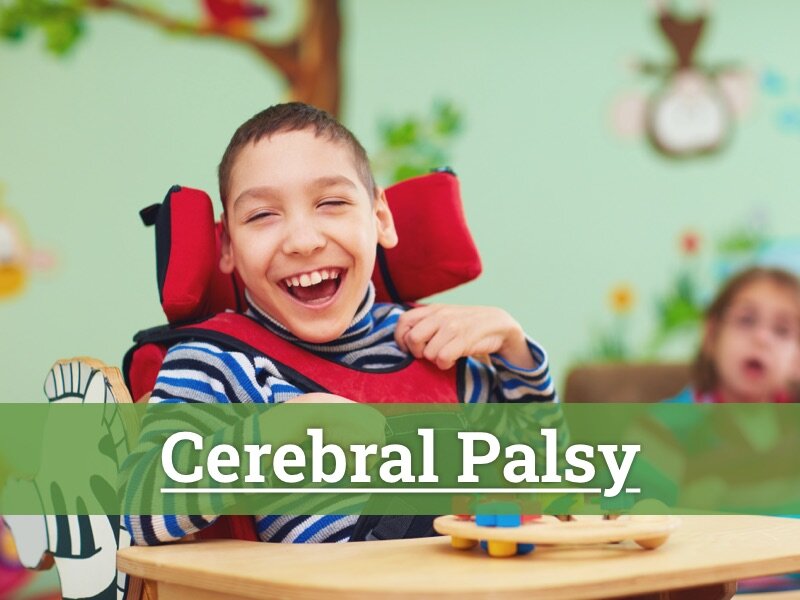
Cerebral Palsy (CP) is a group of neurological disorders that affect movement, muscle tone, and coordination, often diagnosed in early childhood. It is the most common motor disability in childhood, affecting approximately 1 in 345 children in the U.S. according to the Centers for Disease Control and Prevention (CDC). While CP is a lifelong condition, early intervention and proper support can help individuals lead fulfilling, independent lives. With approximately 764,000 Americans living with CP, per the CDC, understanding how to manage and thrive with this condition is essential.
What Is Cerebral Palsy?
Cerebral palsy is caused by abnormal brain development or damage to the developing brain, typically before, during, or shortly after birth. According to the National Institute of Neurological Disorders and Stroke (NINDS), this damage affects the brain’s ability to control muscles, leading to challenges with movement, posture, and balance. CP is a non-progressive neurological disorder, meaning the brain damage does not worsen over time. However, the physical symptoms may change as a person grows. The condition primarily affects:
- Muscle control
- Coordination
- Balance
- Posture
Brain Tumor: Common Signs & Diagnostic Tools
Types of Cerebral Palsy
There are four main types of CP, these are:
- Spastic CP: The most common type (70-80% of cases), characterized by stiff muscles and jerky movements.
- Dyskinetic CP: Involves uncontrolled movements, either slow and writhing or rapid and jerky.
- Ataxic CP: Affects balance and coordination, leading to unsteady movements.
- Mixed CP: Combines symptoms of multiple types.
“CP is a diverse condition, and its impact varies widely from person to person,” says Dr. Amy McCart of the Cerebral Palsy Foundation.
Common Symptoms of Cerebral Palsy
Symptoms of CP vary depending on the type, severity, and affected brain areas. The NINDS lists common signs, which may appear in infancy or early childhood:
- Motor Challenges: Stiffness, floppiness, or involuntary movements.
- Delayed Milestones: Late crawling, sitting, or walking.
- Muscle Tone Abnormalities: Either too stiff (spasticity) or too floppy (hypotonia).
- Coordination Issues: Difficulty with fine motor skills like grasping objects.
- Associated Conditions: Seizures, intellectual disabilities, vision/hearing impairments, or speech difficulties.
The American Academy of Pediatrics notes that 30-50% of individuals with CP have intellectual disabilities, and up to 25% experience seizures. However, many people with CP have normal cognitive function and lead independent lives.
Appendicitis: When to Seek Emergency Help
Diagnosis of Cerebral Palsy
Diagnosing CP involves a combination of developmental monitoring, medical history, and specialized tests. The CDC outlines key diagnostic steps:
- Developmental Screening: Tracks milestones like sitting or walking.
- Neurological Exams: Assess muscle tone, reflexes, and coordination.
- Imaging Tests: MRI or CT scans detect brain abnormalities.
- Electroencephalogram (EEG): Evaluates brain activity if seizures are suspected.
Early diagnosis, ideally by age 2-3, allows for timely interventions that improve outcomes, per the Mayo Clinic.
Strategies for Living and Thriving with CP
While CP presents challenges, individuals can thrive with the right support, therapies, and lifestyle adjustments. Below are evidence-based strategies from authorities like the Cerebral Palsy Foundation, Cleveland Clinic, and American Academy of Pediatrics.
1. Physical Therapy
Physical therapy (PT) is a cornerstone of CP management, improving strength, mobility, and flexibility. The American Physical Therapy Association (APTA) emphasizes that PT can:
- Enhance muscle control and reduce spasticity.
- Improve balance and coordination through exercises like stretching or aquatic therapy.
- Support the use of assistive devices like braces or walkers.
“Physical therapy tailored to the individual’s needs can significantly improve function,” says the Cerebral Palsy Foundation.
2. Occupational Therapy
Occupational therapy (OT) focuses on daily living skills, such as dressing, eating, or writing. The American Occupational Therapy Association (AOTA) highlights that OT helps individuals with CP:
- Develop fine motor skills.
- Use adaptive equipment like specialized utensils or keyboards.
- Increase independence in school, work, or home settings.
Back Pain: Stretches, Remedies, and When to See a Doctor
3. Speech and Language Therapy
For those with speech or swallowing difficulties, speech therapy is vital. The American Speech-Language-Hearing Association (ASHA) notes that speech therapists can:
- Improve communication through verbal or augmentative devices (e.g., communication boards).
- Address swallowing issues to prevent choking or aspiration.
4. Medications
Medications can manage symptoms like spasticity or seizures. The Mayo Clinic lists:
- Muscle Relaxants: Baclofen or diazepam to reduce spasticity.
- Anticonvulsants: For seizure control (e.g., levetiracetam).
- Botox Injections: To temporarily relax specific muscles.
Always consult a neurologist or specialist for medication management.
5. Surgical Interventions
For severe cases, surgeries can improve mobility or reduce pain. The NINDS describes:
- Orthopedic Surgery: Corrects bone or joint deformities.
- Selective Dorsal Rhizotomy (SDR): Reduces spasticity by cutting specific nerve roots.
- Deep Brain Stimulation: An emerging option for dyskinetic CP.
6. Assistive Technology and Adaptive Equipment
Assistive devices enhance independence. The Cerebral Palsy Foundation recommends:
- Mobility aids like wheelchairs, walkers, or orthotics.
- Communication devices for non-verbal individuals.
- Home modifications, such as ramps or grab bars.
7. Lifestyle and Wellness
Healthy lifestyle choices support overall well-being:
- Exercise: Adapted activities like swimming or yoga improve strength, per the Cleveland Clinic.
- Nutrition: A balanced diet supports energy and growth, especially for children with CP.
- Mental Health: Counseling or support groups address emotional challenges, as advised by the American Academy of Pediatrics.
8. Education and Social Inclusion
Inclusive education and social activities foster independence. The U.S. Department of Education supports Individualized Education Programs (IEPs) for children with CP, ensuring accommodations like extra time or adaptive technology. Community programs, like those offered by the United Cerebral Palsy (UCP), promote social engagement.
“Early intervention before age 3 leads to the best outcomes.” – United Cerebral Palsy
Parenting a Child with ADHD: Practical Tips and Strategies
Coping with CP: Emotional and Social Support
Living with CP can be emotionally challenging for individuals and families. The Cerebral Palsy Foundation recommends:
- Joining support groups to connect with others.
- Seeking mental health support for anxiety or depression.
- Building a strong support network of family, friends, and healthcare providers.
“Community and connection are vital for thriving with CP,” says advocate and CP patient Sarah Johnson, quoted by UCP.
Preventing Complications
Individuals with CP are at risk for complications like contractures, scoliosis, or respiratory issues. The Cleveland Clinic advises:
- Regular medical check-ups to monitor bone health and lung function.
- Vaccinations to prevent respiratory infections.
- Physical activity to maintain joint flexibility.
When to Seek Medical Attention
Consult a healthcare provider if you notice:
- Worsening spasticity or pain.
- New seizures or changes in existing ones.
- Difficulty breathing or swallowing.
- Developmental delays in children.
The American Academy of Pediatrics recommends regular visits with a multidisciplinary team, including neurologists, orthopedists, and therapists.
ADHD in Adults: Signs, Symptoms, and Treatment Options
Conclusion
Cerebral palsy is a complex condition, but with the right strategies, individuals can live vibrant, fulfilling lives. Physical and occupational therapies, assistive technologies, and strong support systems empower those with CP to thrive. Early intervention, personalized care, and a positive outlook can transform challenges into opportunities for growth and independence. Take proactive steps today to live well and thrive with CP.