Thrombosis is a serious medical condition that can lead to life-threatening complications if not addressed promptly. Understanding this disease is crucial for maintaining vascular health and recognizing early warning signs that could save your life.
What is Thrombosis?
Thrombosis refers to the formation of a blood clot, known as a thrombus, inside a blood vessel or heart chamber. This clot can obstruct normal blood flow, leading to reduced oxygen supply to tissues and organs. According to the Cleveland Clinic, thrombosis is when a blood clot forms in a blood vessel or your heart, preventing blood from flowing normally and potentially leading to severe issues. If the clot breaks free, it becomes an embolus, traveling through the bloodstream and causing blockages elsewhere, such as in the lungs or brain.
This condition is alarmingly common, a major health concern underlying 1 in 4 deaths worldwide, as it can trigger heart attacks, strokes, or pulmonary embolisms. In the United States alone, venous thromboembolism, a related condition, affects about 900,000 people annually, resulting in around 100,000 deaths. Thrombosis is not just a standalone issue; it’s often a symptom of underlying factors like vessel damage or blood flow disruptions. Early detection is key, as timely intervention can significantly improve outcomes and prevent complications like organ damage or death.
Understanding Down Syndrome: Causes, Types, Symptoms, & Treatment Options
Types of Thrombosis
Thrombosis is broadly classified into two main categories based on the location of the clot: arterial thrombosis and venous thrombosis. These differ significantly in causes, symptoms, risks, and outcomes.
- Arterial Thrombosis
Arterial thrombosis occurs when a clot forms in an artery, the blood vessels that carry oxygen-rich blood away from the heart to the body’s tissues and organs. Because arteries deliver vital oxygenated blood under high pressure, a blockage here can quickly starve tissues of oxygen, leading to rapid and severe damage.
Key Characteristics and Subtypes:
- Primarily caused by atherosclerosis, where fatty plaques build up on artery walls, rupture, and trigger clot formation. This is distinct from venous clots, which often form due to blood stasis.
- Common locations and resulting conditions:
-
- Coronary artery thrombosis: Leads to myocardial infarction (heart attack).
- Cerebral artery thrombosis: Causes ischemic stroke.
- Peripheral artery thrombosis: Affects limbs, potentially causing acute limb ischemia (sudden severe pain, paleness, and loss of function).
Arterial clots are typically “white thrombi” rich in platelets and fibrin, forming on damaged vessel walls. They are more immediately life-threatening because they block oxygen supply to critical organs.
The NHS notes that arterial thrombosis is dangerous as it can obstruct or stop blood flow to major organs, often requiring emergency interventions like clot-dissolving drugs or bypass surgery.
- Venous Thrombosis
Venous thrombosis involves clot formation in a vein, which carries deoxygenated blood back to the heart. Veins have lower pressure and slower flow, so clots here (often “red thrombi” rich in red blood cells and fibrin) tend to form due to blood pooling or hypercoagulability. The major risk is that parts of the clot can break off, travel through the heart, and lodge in the lungs.
Renal Failure: Causes, Symptoms, Types & Treatment Options
Venous thromboembolism (VTE) is the umbrella term encompassing venous clots and their complications. VTE includes both deep vein thrombosis (DVT) and pulmonary embolism (PE).

Main Subtypes of Venous Thrombosis:
- Deep Vein Thrombosis (DVT): The most common form, where a clot forms in a deep vein, usually in the legs (calf, thigh, or pelvis) but sometimes in the arms. Symptoms include swelling, pain, warmth, and redness in the affected limb. Many cases are asymptomatic until complications arise.
- Pulmonary Embolism (PE): Occurs when a DVT clot (or part of it) breaks loose, travels to the lungs, and blocks a pulmonary artery. This is a medical emergency with symptoms like sudden shortness of breath, chest pain, rapid heart rate, and coughing up blood.
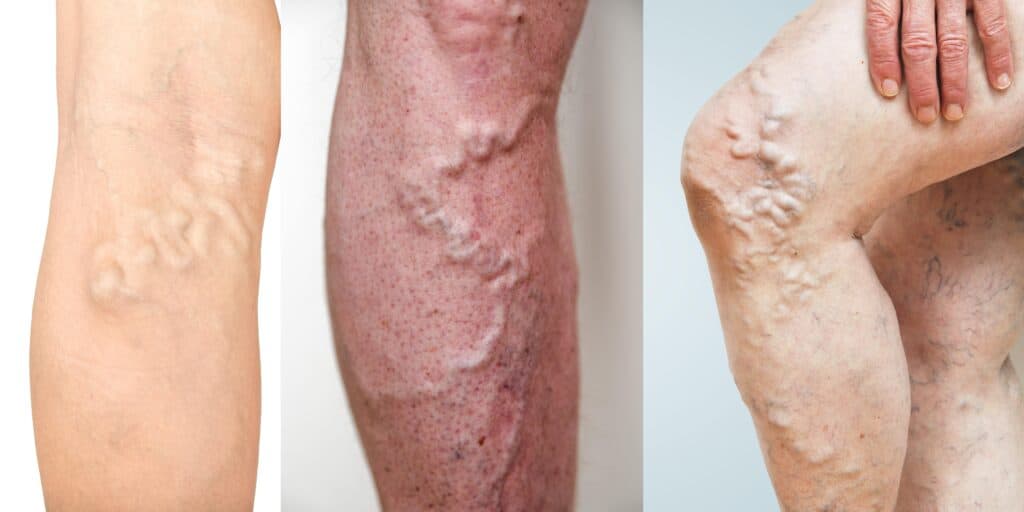
- Superficial Thrombophlebitis (or Superficial Vein Thrombosis): A clot in a vein near the skin’s surface, often in the legs associated with varicose veins. It is usually less serious, causing localized redness, tenderness, and a hard cord-like vein, but can sometimes progress to DVT.


Neuralgia: Symptoms, Causes, Types, and Effective Treatments
Other Less Common Venous Thrombosis Types:
- Cerebral Venous Sinus Thrombosis (CVST): Clot in the brain’s venous sinuses, causing headaches, seizures, or stroke-like symptoms. Rare but serious.
- Portal Vein Thrombosis: Affects the vein carrying blood to the liver, often linked to cirrhosis or infection.
- Renal Vein Thrombosis: In kidney veins, potentially leading to kidney damage.
- Jugular Vein Thrombosis: Rare, associated with infections or IV drug use.
- Paget-Schroetter Syndrome (Effort Thrombosis): Upper extremity DVT from repetitive arm motion, common in athletes.
Thrombosis can occur in various sites, with venous forms often leading to embolization.
Key Differences Between Arterial and Venous Thrombosis
- Causes: Arterial – plaque rupture; Venous – stasis, hypercoagulability, vessel injury (Virchow’s triad).
- Clot Composition: Arterial – platelet-rich; Venous – red cell/fibrin-rich.
- Symptoms: Arterial – sudden ischemia (pain, pallor, paralysis); Venous – swelling, gradual pain.
- Complications: Arterial – organ infarction; Venous – embolism (especially PE).
- Treatment Approach: Arterial often requires urgent revascularization; Venous focuses on anticoagulation to prevent growth/embolism.
While both types of thrombosis are serious, venous forms (particularly DVT and PE) are more common and often preventable with mobility and risk management, whereas arterial thrombosis is closely tied to cardiovascular disease.
Causes of Thrombosis
Thrombosis arises from an imbalance in the blood’s clotting mechanism, often triggered by damage to blood vessel linings, slowed blood flow, or hypercoagulability (excessive clotting tendency), causing cells to stick together abnormally.
Key causes include:
- Vessel Damage: From injury, surgery, infection, or inflammation, which exposes tissues that promote clotting.
- Stagnant Blood Flow: Prolonged immobility, such as during long flights, bed rest, or hospitalization, allows blood to pool and clot.
- Hypercoagulability: Conditions like cancer, autoimmune diseases, or genetic disorders (e.g., factor V Leiden) make blood clot more easily. Anything preventing normal blood flow or clotting can cause DVT, a common form of thrombosis.
- Atherosclerosis: Fatty plaques in arteries rupture, triggering clots – a primary cause of arterial thrombosis.
- Medications and Lifestyle: Estrogen-based hormones, chemotherapy, or smoking alter blood composition.
In some cases, thrombosis occurs without obvious triggers, this is called unprovoked venous thromboembolism. These causes underscore the importance of addressing modifiable factors to reduce risk.
Risk Factors for Thrombosis
Several factors elevate the likelihood of developing thrombosis, many of which are interconnected with lifestyle and health conditions. Risks such as being over age 60, family history of clots, obesity, smoking, and conditions like cancer or diabetes.
Modifiable risks include:
- Prolonged inactivity (e.g., surgery, long travel).
- Smoking and obesity, which damage vessels and promote clotting.
- Hormone therapies or birth control pills containing estrogen.
Non-modifiable risks:
- Age (over 60).
- Genetic clotting disorders.
- Pregnancy or recent childbirth.
Multiple Myeloma: Causes, Symptoms, Diagnosis & Treatment Options
Medical News Today notes that surgery or hospitalization accounts for about 50% of blood clots, emphasizing the need for preventive measures in these scenarios. Managing these risks through lifestyle changes can significantly lower incidence.
Symptoms of Thrombosis
Symptoms vary widely depending on the clot’s location and type, but they generally stem from reduced blood flow and oxygen deprivation.
For Venous Thrombosis (e.g., DVT):
- Swelling, pain, or cramping in the affected leg (often starting in the calf).
- Warmth, redness, or discoloration of the skin.
- Hard or sore swollen veins.
For Arterial Thrombosis:
- Chest pain, shortness of breath (heart attack).
- Sudden weakness, slurred speech, facial droop (stroke).
- Leg pain, pale/cold skin, numbness (peripheral).
Diagnosis of Thrombosis
Accurate diagnosis involves a combination of history, physical exams, and tests. Providers assess symptoms, medical history, and visible signs like swelling.
Common diagnostic tools:
- Ultrasound: Non-invasive imaging to detect clots in veins, especially for DVT.
- Blood Tests: Measure D-dimer levels (elevated during clot breakdown) or clotting factors.
- CT or MRI Scans: Visualize clots in lungs or brain.
- Venogram or Angiogram: Dye-enhanced X-rays for detailed vessel views.
Treatment Options for Thrombosis
Treatment focuses on dissolving existing clots, preventing new ones, and managing complications. Options vary by severity and location.
- Medications:
- Anticoagulants (Blood Thinners): Prevent clot growth; examples include heparin (fast-acting) and warfarin or rivaroxaban (oral). Anticoagulants are the most common treatments, helping prevent new clots.
- Thrombolytics (Clot Busters): Dissolve clots in emergencies, like for severe PE or stroke.
- Antiplatelets: Such as aspirin, for arterial clots.
- Procedures:
- Thrombectomy: Surgical removal of the clot.
- Vena Cava Filter: Implanted to catch emboli in high-risk patients.
- Angioplasty or Stenting: For arterial blockages.
- Compression Stockings: Reduce swelling and improve flow in DVT.
The NHS advises blood-thinning medicines for at least 3 months for DVT. For arterial thrombosis, NHS Inform recommends clot-dissolving drugs or surgeries like CABG. Treatment duration often spans months, with monitoring for bleeding risks.
Urinary Tract Infections (UTI): Types, Causes, Symptoms, & Effective Treatment
Prevention and Living with Thrombosis
Prevention is achievable through lifestyle adjustments and medical interventions. Moving frequently, avoiding smoking, and managing weight help to prevent DVT.
Key strategies:
- Stay active: Walk every hour during travel; aim for 150 minutes of weekly exercise.
- Maintain a healthy weight and diet low in saturated fats.
- Quit smoking and limit alcohol.
- Use compression stockings if at risk.
- Take prescribed anticoagulants post-surgery.
For those with thrombosis history, regular check-ups and adherence to medications are essential. About 20-30% experience recurrence within years, so ongoing management is crucial. Living with thrombosis involves monitoring symptoms and avoiding triggers like dehydration.
Thrombosis is a preventable yet potentially deadly condition that demands awareness of its symptoms, causes, types, and treatments. By adopting healthy habits and seeking prompt care, you can mitigate risks and protect your health.