

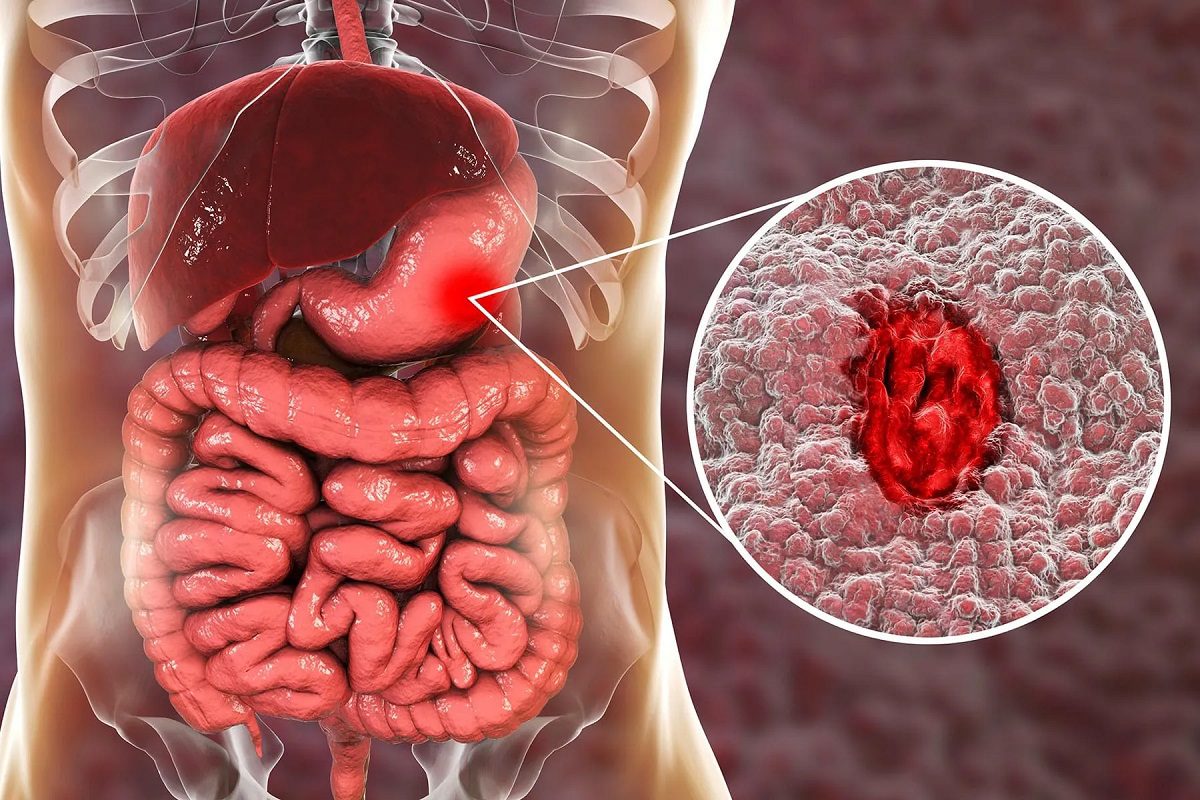
Living with a chronic condition like ulcerative colitis (UC) can feel overwhelming, but understanding it deeply empowers you to take control. If you’ve ever experienced persistent abdominal pain, urgent bowel movements, or unexplained fatigue, you might be wondering: Could this be ulcerative colitis? As one of the most common forms of inflammatory bowel disease (IBD), UC affects an estimated 600,000 to 900,000 people in the United States alone, according to the National Institute of Diabetes and Digestive and Kidney Diseases (NIDDK) This lifelong condition causes inflammation and ulcers in the inner lining of the colon and rectum, leading to flare-ups that disrupt daily life.
WHAT IS ULCERATIVE COLITIS?
Ulcerative colitis is a chronic inflammatory bowel disease that primarily targets the large intestine, specifically the colon and rectum. Unlike Crohn’s disease (another IBD), UC is limited to the colon and consistently affects the innermost lining, causing continuous inflammation that can extend from the rectum upward. This results in tiny open sores (ulcers) along the mucosal layer, which produce pus and mucus, triggering the hallmark symptoms of urgency and discomfort.
The condition is unpredictable, characterized by alternating periods of flare-ups (when symptoms worsen) and remission (when they subside, sometimes for weeks or years). As noted by the Crohn’s & Colitis Foundation, Ulcerative colitis is not caused by a single factor but arises from a complex interplay of genetics, immunity, and environment. While Ulcerative colitis is not curable through medication, effective management can lead to long remissions, allowing many to live full, active lives.
Ulcerative Colitis Diet Plan: What to Eat During a Flare and Remission
Prevalence-wise, Ulcerative colitis typically strikes between ages 15 and 30, though it can appear at any age, including after 60. It is more common in white individuals, particularly those of Ashkenazi Jewish descent, and those with a family history of IBD. Globally, incidence of Ulcerative colitis is rising, possibly due to Western diets and urbanization, highlighting the need for awareness and early intervention.
Understanding Ulcerative colitis is not just about facts—it is about hope. With advancements in biologics and personalized care, quality of life has improved dramatically. If symptoms sound familiar, consult a gastroenterologist promptly as early diagnosis can prevent complications.
CAUSES OF ULCERATIVE COLITIS:
The exact causes of ulcerative colitis remain elusive, but research points to a “perfect storm” of genetic, immunological, environmental, and microbial factors. At its core, Ulcerative colitis stems from an overzealous immune response that mistakenly attacks the colon’s healthy tissues, treating them like invaders. “The immune system, which normally protects the body from foreign pathogens, loses its ability to distinguish between normal and foreign,” explains the Mayo Clinic.
Genetic Predisposition
Genetics play a starring role. If you have a first-degree relative (parent, sibling, or child) with UC or IBD, your risk skyrockets—up to 10 times higher, according to NIDDK. Over 200 genes have been linked to IBD, including those regulating immune function and gut barrier integrity. Ashkenazi Jewish populations show higher rates, underscoring hereditary influences.
Immune System Dysregulation
In UC, the immune system launches a prolonged attack on the gut lining, possibly triggered by a bacterial or viral infection. White blood cells flood the area, causing chronic inflammation and ulcers. This abnormal response persists even after the initial trigger is gone, as the body continues to send white blood cells into the lining of the intestines, where they produce chronic inflammation and ulcers.
Bone Fractures: Types, Causes, Symptoms & Treatment Options
Gut Microbiome Imbalance
Your gut hosts trillions of bacteria essential for digestion and immunity. In UC, this microbiome is disrupted—a condition called dysbiosis—allowing harmful bacteria to dominate. Factors like antibiotic overuse can exacerbate this, though the link is correlative, not causative.
Environmental Triggers
Lifestyle and surroundings amplify risk. High-fat, low-fiber Western diets, smoking (ironically protective for UC but harmful for Crohn’s), and urban living correlate with higher incidence. Stress and NSAIDs (like ibuprofen) don’t cause UC but can provoke flares by irritating the gut lining.
While diet and stress are not root causes, they influence severity. Diet and stress may play a role in triggering flares, but they don’t cause ulcerative colitis.
SYMPTOMS OF ULCERATIVE COLITIS: RECOGNIZING THE SIGNS EARLY
Symptoms of ulcerative colitis vary by disease extent and severity, often starting subtly before escalating into debilitating flare-ups. The most telling sign is bloody diarrhea, which affects up to 90% of patients, caused by ulcers bleeding into the stool. According to the Centers for Disease Control and Prevention (CDC), common symptoms include “stool with blood or mucus, stomach cramping with bowel movements, and an urgent need to have a bowel movement”.
Primary Gastrointestinal Symptoms
- Diarrhea: Frequent, loose stools (4-10+ times daily during flares), often with blood, pus, or mucus. Nocturnal diarrhea disrupts sleep.
- Abdominal Pain and Cramping: Typically left-sided, worsening before bowel movements. Rectal pain or tenesmus (feeling of incomplete evacuation) adds urgency.
- Rectal Bleeding: Bright red blood on toilet paper or in the bowl— a red flag for UC over other conditions.
Systemic and Extraintestinal Symptoms
Ulcerative colitis is not confined to the gut; it can manifest elsewhere:
- Fatigue and Weakness: From anemia (iron loss via bleeding) or chronic inflammation.
- Weight Loss and Appetite Loss: Malabsorption and pain reduce calorie intake.
- Fever: Low-grade during mild flares, spiking in severe cases.
- Joint Pain, Skin Rashes, and Eye Inflammation: Up to 40% experience extraintestinal issues, like arthritis or erythema nodosum.
In children, symptoms include growth delays. Severity ranges from mild (few symptoms, limited to rectum) to fulminant (life-threatening dehydration and toxic megacolon).
Anemia: Types, Causes, Symptoms & Effective Treatment Options
About half of patients have mild-moderate symptoms with frequent remissions, but 30% face severe courses requiring hospitalization. If symptoms persist beyond two weeks or include severe bleeding or fever, seek immediate care as early recognition prevents complications like perforation.
Diagnosis of Ulcerative Colitis: Confirming the Condition
Diagnosing ulcerative colitis involves ruling out mimics like infections or IBS through a multi-step process. Start with a thorough history: Symptom onset, family IBD, and triggers. Physical exams check for abdominal tenderness or dehydration.
Key tests include:
- Blood Tests: Detect anemia, infection, or inflammation markers (e.g., C-reactive protein).
- Stool Tests: Rule out parasites or bacteria causing similar symptoms.
- Endoscopy: Colonoscopy or flexible sigmoidoscopy visualizes ulcers and takes biopsies—gold standard for confirming continuous mucosal inflammation.
- Imaging: CT/MRI scans assess extent and complications like strictures.
Biopsies reveal characteristic crypt abscesses. No single test diagnoses ulcerative colitis; it’s a pattern. Expect follow-ups, including cancer screenings every 1-3 years post-diagnosis.
TREATMENT OPTIONS FOR ULCERATIVE COLITIS: FROM MEDICATIONS TO SURGERY
Treatment for ulcerative colitis aims to relieve symptoms, achieve remission and prevent flare-ups. Treatment focuses on inducing and maintaining remission, reducing inflammation, and healing the mucosa. Tailored by severity (mild, moderate, severe), options span medications, surgery, and adjunct therapies.
Medications: The First Line of Defense
Most start with anti-inflammatories:
- Aminosalicylates (5-ASAs): Mild-moderate ulcerative colitis’ cornerstone, like mesalamine (e.g., Lialda), delivered orally or rectally. Effective for 50-70% in maintaining remission.
- Corticosteroids: Short-term for flares (e.g., prednisone), but not for long-term due to osteoporosis risk.
- Immunomodulators: Azathioprine or methotrexate suppress immunity for moderate cases.
- Biologics and JAK Inhibitors: Game-changers for severe UC. Biologics like infliximab (Remicade®) target TNF-alpha; vedolizumab (Entyvio®) is gut-specific. Newer JAKs like tofacitinib (Xeljanz®) block inflammatory signals, achieving remission in 40-60% unresponsive to others.
Combination therapy is common; monitor side effects like infections.
Surgery: When Medications Fall Short
About 25-30% eventually need surgery, curing ulcerative colitis by removing the colon (proctocolectomy). Options:
- Ileal Pouch-Anal Anastomosis (IPAA): Creates a pouch from small intestine for continent bowel movements—preferred for younger patients.
- End Ileostomy: External pouch; simpler but alters lifestyle.
Post-surgery, 50% face pouchitis (inflammation), treatable with antibiotics.
Cushing’s Syndrome: Causes, Symptoms, Diagnosis & Treatment Options
Long-Term Care and Management for Ulcerative Colitis
Long-term care for ulcerative colitis emphasizes sustained remission, complication prevention, and holistic health. The goal of care is to keep people in remission long term.
Monitoring and Follow-Up
Annual colonoscopies screen for dysplasia (precancerous changes), risk rising after 8-10 years. Blood tests track anemia; bone density scans prevent osteoporosis from steroids.
Preventing Complications
To prevent complications from ulcerative colitis, addressing extraintestinal issues such as rheumatology for joints, and dermatology for rashes, is necessary. Also, vaccinations guard against infections on immunosuppressants, hydration combats dehydration, and iron supplements helps in fighting anemia.
LIFESTYLE TIPS FOR LIVING WITH ULCERATIVE COLITIS
While diet may not cause ulcerative colitis, it is very pivotal in managing it. Avoid triggers like dairy or caffeine; embrace low-residue during flares, high-fiber in remission.
Hepatitis A, B & C: Causes, Symptoms, Transmission & Treatment