

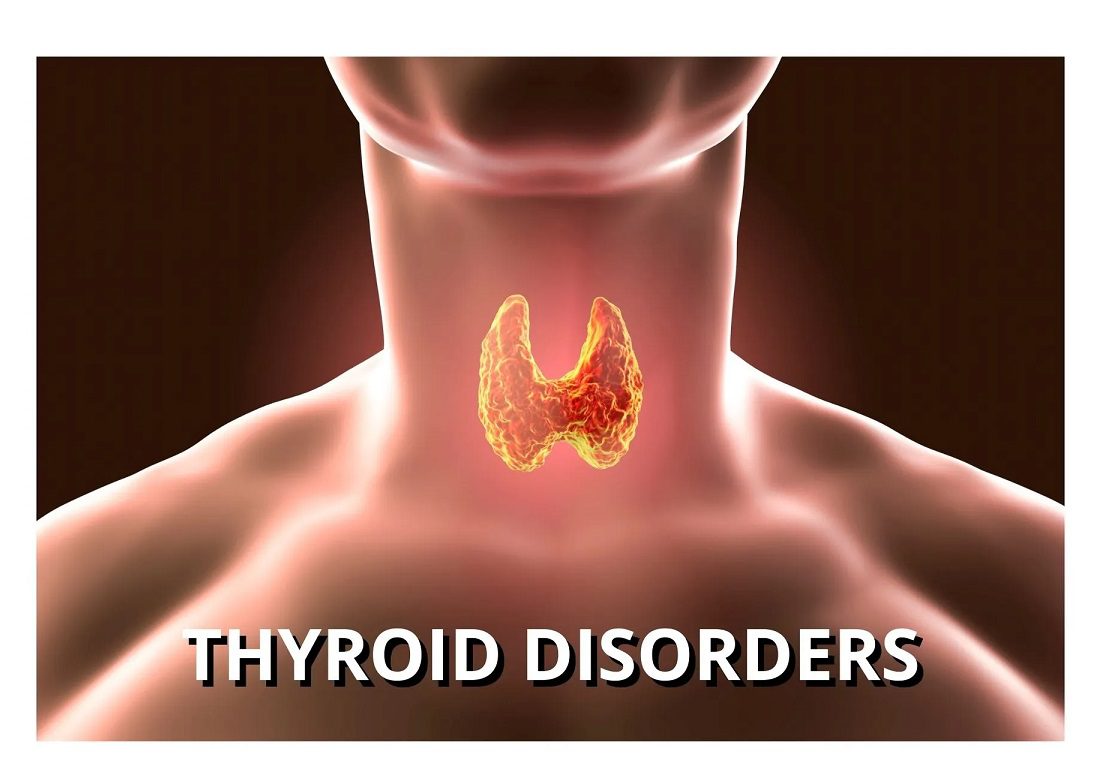
Thyroid disorders are among the most common endocrine conditions, silently affecting millions and disrupting everything from energy levels to metabolism. If you are experiencing unexplained fatigue, weight fluctuations, or mood swings, you might be dealing with a thyroid issue. According to the American Thyroid Association (ATA), an estimated 20 million Americans have some form of thyroid disease, and up to 60% remain unaware of their condition. Globally, thyroid conditions afflict approximately 200 million people, with women more commonly affected, according to ScienceDirect.
Understanding the Thyroid Gland: Your Body’s Metabolic Regulator
The thyroid is a butterfly-shaped gland at the base of the neck, producing hormones like thyroxine (T4) and triiodothyronine (T3) that regulate metabolism, heart rate, body temperature, and energy. It works with the pituitary gland, which releases thyroid-stimulating hormone (TSH) to signal production.
When imbalanced, disorders arise. Women are 5-8 times more likely affected, often due to autoimmune factors.
Types of Thyroid Disorders: Thyroid issues vary widely. Here’s a breakdown:
Hypothyroidism (Underactive Thyroid): The most common, where the gland under-produces hormones, slowing metabolism.
Hyperthyroidism (Overactive Thyroid): Excess hormone production speeds up processes, leading to hyperactivity.
Hernia: Types, Causes, Symptoms & Treatment Options
Goiter: Enlarged thyroid, often from iodine deficiency or inflammation.
Thyroid Nodules: Lumps in the gland; most benign, but 5-10% cancerous. Evaluated via biopsy.
Thyroid Cancer: Includes papillary (most common), follicular, medullary, and anaplastic types.
Causes of Thyroid Disorders
Causes depend on the type but often involve autoimmune responses, where the immune system attacks the gland.
Common Causes Across Disorders are:
- Autoimmune Diseases: Hashimoto’s for hypothyroidism (antibodies attack thyroid); Graves’ for hyperthyroidism.
- Iodine Imbalance: Deficiency causes goiter/hypothyroidism; excess worsens hyperthyroidism.
- Medications/Radiation: Lithium, amiodarone, or head/neck radiation therapy.
- Surgery/Inflammation: Thyroiditis or gland removal.
- Genetic Factors: Family history increases risk, e.g., MEN2 for medullary cancer.
- Pregnancy: Postpartum thyroiditis affects 5-10% of women.
- Environmental: Endocrine disruptors like PFAS may contribute.
Malaria: Causes, Symptoms, Diagnosis & Effective Treatment Options
Symptoms of Thyroid Disorders: Subtle Signs You Shouldn’t Ignore
Symptoms vary by type and severity, often mimicking other conditions.
Hypothyroidism Symptoms
Symptoms include the following, and develop slowly: Fatigue, weight gain, cold intolerance, constipation, dry skin, puffy face, hoarse voice, muscle weakness, depression, memory issues, irregular periods, thinning hair.
In children: Poor growth, delayed puberty.
Hyperthyroidism Symptoms: They include
Weight loss, rapid heartbeat, anxiety, tremors, sweating, heat sensitivity, frequent bowel movements, goiter, fatigue, sleep problems.
Goiter and Nodules
Symptoms include: Swelling in neck, difficulty swallowing/breathing; nodules often asymptomatic but may cause pain.
Thyroid Cancer
This often shows no early symptoms. But later symptoms include neck lump, voice changes, swallowing issues.
Diagnosis of Thyroid Disorders: Tests and Procedures
Diagnosis starts with history and exam, followed by tests.
- Blood Tests: TSH (high in hypo, low in hyper), T4/T3 levels, antibodies for autoimmune.
- Ultrasound: Detects nodules/goiter.
- Fine-Needle Aspiration (FNA): Biopsies suspicious nodules.
- Radioactive Iodine Uptake/Scan: Assesses function.
- CT/MRI: For advanced cancer staging.
Meningitis: Causes, Symptoms, Diagnosis & Treatment Options
Treatment Options for Thyroid Disorder
Treatment restores balance, varying by type.
Hypothyroidism Treatment
Daily administration of levothyroxine (Synthroid) to replace hormones, with dosage adjusted via blood tests, as recommended by Mayo Clinic.
Hyperthyroidism Treatment
Use of anti-thyroid drugs (methimazole), radioactive iodine (ablates gland), and surgery (thyroidectomy) as the case may be.
Goiter and Nodules
Treatment includes surgery if symptomatic.
Thyroid Cancer Treatment
Surgery, iodine therapy, targeted drugs for advanced. 2025 guidelines focus on individualized decisions considering disease pace and symptoms.
Complications and Long-Term Management
Untreated thyroid disorders can lead to heart issues, infertility, myxedema coma (hypo), thyroid storm (hyper). Cancer can spread.
Management includes regular monitoring, diet (iodine-balanced), exercise, stress reduction. For post-treatment hypo, lifelong meds.
Thyroid disorders are manageable with awareness and care. Consult an endocrinologist for personalized plans.
Sickle Cell Disease: Causes, Symptoms, Diagnosis & Treatment Options
Syphilis: Stages, Symptoms, Diagnosis, Treatment & Prevention