
Healthier Everytime logo
  • Medical Conditions

    Medical Conditions

    All
  • Digestive And Gastrointestinal Health
  • Eye And Vision
  • General And Systemic Conditions
  • Skin And Dermatological Conditions
  • Cancer and Tumor
  • Musculoskeletal & Connective Tissue Disorders
  • Heart Health
  • Reproductive Health
  • Oral And Dental
  • Parasitic And Vector-Borne Diseases
  • Blood And Hematology
  • Genetic And Congenital Disorders
  • Mental and Behavioral Health
  • Wellness & Lifestyle

    Wellness & Lifestyle

    View All

    Natural & Alternative

  • Acupuncture
  • Ayurveda
  • Essential Oils
  • Herbal Remedies
  • Home Treatments
  • Nutrition & Diet

  • Healthy Eating Tips
  • Meal Plans & Prep
  • Superfoods
  • Supplements & Vitamins
  • Weight Loss or Gain Diets
  • Recipes

  • Smoothies & Juices
  • Snacks & Quick Bites
  • Vegan or Vegetarian
  • Research & News

  • Expert Interviews
  • Latest Studies
  • Medical Breakthroughs
  • Public Health Updates
  • Age & Gender Wellness

    Age & Gender Wellness

    View All

    Women's Health

  • Fertility & Hormones
  • Menopause
  • Menstrual Health
  • Pregnancy & Postpartum
  • Men's Health

  • Fitness & Nutrition
  • Hormonal Health
  • Prostate Health
  • Children's Health

  • Common Illnesses
  • Growth & Development
  • Nutrition for Kids
  • Adolescent Health

  • Chronic Conditions in Teens
  • Peer pressure & self-esteem
  • Puberty & Development
  • Sexual & Reproductive
  • Medical Conditions

    Medical Conditions

    All
  • Digestive And Gastrointestinal Health
  • Eye And Vision
  • General And Systemic Conditions
  • Skin And Dermatological Conditions
  • Cancer and Tumor
  • Musculoskeletal & Connective Tissue Disorders
  • Heart Health
  • Reproductive Health
  • Oral And Dental
  • Parasitic And Vector-Borne Diseases
  • Blood And Hematology
  • Genetic And Congenital Disorders
  • Mental and Behavioral Health
  • Wellness & Lifestyle

    Wellness & Lifestyle

    View All

    Natural & Alternative

  • Acupuncture
  • Ayurveda
  • Essential Oils
  • Herbal Remedies
  • Home Treatments
  • Nutrition & Diet

  • Healthy Eating Tips
  • Meal Plans & Prep
  • Superfoods
  • Supplements & Vitamins
  • Weight Loss or Gain Diets
  • Recipes

  • Smoothies & Juices
  • Snacks & Quick Bites
  • Vegan or Vegetarian
  • Research & News

  • Expert Interviews
  • Latest Studies
  • Medical Breakthroughs
  • Public Health Updates
  • Age & Gender Wellness

    Age & Gender Wellness

    View All

    Women's Health

  • Fertility & Hormones
  • Menopause
  • Menstrual Health
  • Pregnancy & Postpartum
  • Men's Health

  • Fitness & Nutrition
  • Hormonal Health
  • Prostate Health
  • Children's Health

  • Common Illnesses
  • Growth & Development
  • Nutrition for Kids
  • Adolescent Health

  • Chronic Conditions in Teens
  • Peer pressure & self-esteem
  • Puberty & Development
  • Sexual & Reproductive
Subscribe
  • Medical Conditions

    Medical Conditions

    All
  • Digestive And Gastrointestinal Health
  • Eye And Vision
  • General And Systemic Conditions
  • Skin And Dermatological Conditions
  • Cancer and Tumor
  • Musculoskeletal & Connective Tissue Disorders
  • Heart Health
  • Reproductive Health
  • Oral And Dental
  • Parasitic And Vector-Borne Diseases
  • Blood And Hematology
  • Genetic And Congenital Disorders
  • Mental and Behavioral Health
  • Wellness & Lifestyle

    Wellness & Lifestyle

    View All

    Natural & Alternative

  • Acupuncture
  • Ayurveda
  • Essential Oils
  • Herbal Remedies
  • Home Treatments
  • Nutrition & Diet

  • Healthy Eating Tips
  • Meal Plans & Prep
  • Superfoods
  • Supplements & Vitamins
  • Weight Loss or Gain Diets
  • Recipes

  • Smoothies & Juices
  • Snacks & Quick Bites
  • Vegan or Vegetarian
  • Research & News

  • Expert Interviews
  • Latest Studies
  • Medical Breakthroughs
  • Public Health Updates
  • Age & Gender Wellness

    Age & Gender Wellness

    View All

    Women's Health

  • Fertility & Hormones
  • Menopause
  • Menstrual Health
  • Pregnancy & Postpartum
  • Men's Health

  • Fitness & Nutrition
  • Hormonal Health
  • Prostate Health
  • Children's Health

  • Common Illnesses
  • Growth & Development
  • Nutrition for Kids
  • Adolescent Health

  • Chronic Conditions in Teens
  • Peer pressure & self-esteem
  • Puberty & Development
  • Sexual & Reproductive
  • Medical Conditions

    Medical Conditions

    All
  • Digestive And Gastrointestinal Health
  • Eye And Vision
  • General And Systemic Conditions
  • Skin And Dermatological Conditions
  • Cancer and Tumor
  • Musculoskeletal & Connective Tissue Disorders
  • Heart Health
  • Reproductive Health
  • Oral And Dental
  • Parasitic And Vector-Borne Diseases
  • Blood And Hematology
  • Genetic And Congenital Disorders
  • Mental and Behavioral Health
  • Wellness & Lifestyle

    Wellness & Lifestyle

    View All

    Natural & Alternative

  • Acupuncture
  • Ayurveda
  • Essential Oils
  • Herbal Remedies
  • Home Treatments
  • Nutrition & Diet

  • Healthy Eating Tips
  • Meal Plans & Prep
  • Superfoods
  • Supplements & Vitamins
  • Weight Loss or Gain Diets
  • Recipes

  • Smoothies & Juices
  • Snacks & Quick Bites
  • Vegan or Vegetarian
  • Research & News

  • Expert Interviews
  • Latest Studies
  • Medical Breakthroughs
  • Public Health Updates
  • Age & Gender Wellness

    Age & Gender Wellness

    View All

    Women's Health

  • Fertility & Hormones
  • Menopause
  • Menstrual Health
  • Pregnancy & Postpartum
  • Men's Health

  • Fitness & Nutrition
  • Hormonal Health
  • Prostate Health
  • Children's Health

  • Common Illnesses
  • Growth & Development
  • Nutrition for Kids
  • Adolescent Health

  • Chronic Conditions in Teens
  • Peer pressure & self-esteem
  • Puberty & Development
  • Sexual & Reproductive
Healthier Everytime logo
Subscribe

Malaria: Causes, Symptoms, Diagnosis & Effective Treatment Options

Malaria remains one of the world’s most devastating infectious diseases. In 2023 alone, the World Health Organization estimated 249 million cases and 608,000 deaths — mostly children under five in sub-Saharan Africa. Despite remarkable progress in the last two decades, drug resistance, climate change, and humanitarian crises are driving a resurgence in many regions.

What Is Malaria and How Serious Is It?

Malaria is a life-threatening disease caused by single-celled parasites of the genus Plasmodium. Five species infect humans:

  1. Plasmodium falciparum (most deadly, predominant in Africa)
  2. P. vivax (most widespread globally, can relapse from liver stages)
  3. P. ovale (also relapsing, mainly West Africa)
  4. P. malariae (chronic, low-grade infections)
  5. P. knowlesi (zoonotic, Southeast Asia, can be severe)

P. falciparum accounts for almost all malaria deaths worldwide. If left untreated, severe falciparum malaria has a case-fatality rate of 10–20% even in good hospitals and approaches 100% in remote settings.

Hernia: Types, Causes, Symptoms & Treatment Options

How Is Malaria Transmitted? (Causes and Risk Factors)

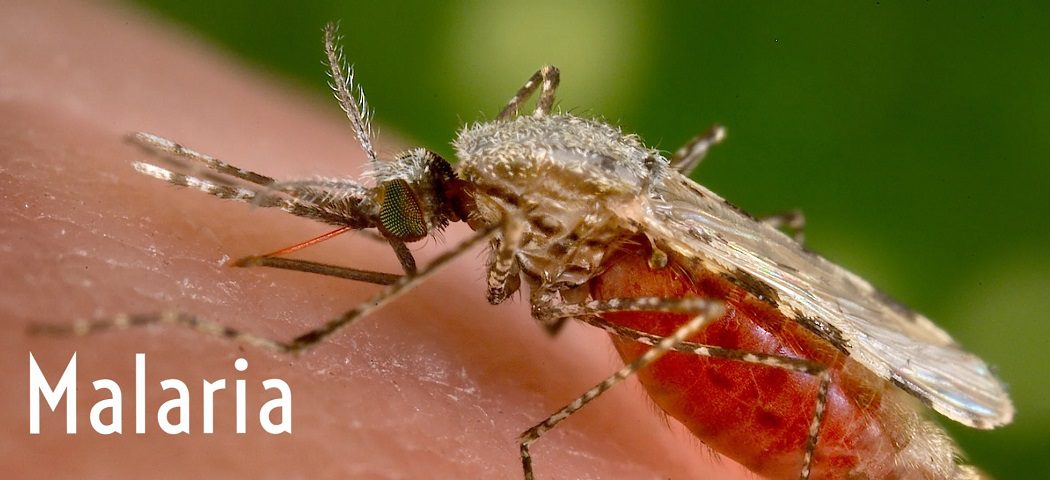
Malaria is transmitted almost exclusively through the bite of infected female Anopheles mosquitoes. The parasite completes part of its life cycle inside the mosquito and is injected into humans along with mosquito saliva during a blood meal.

Other rare transmission routes are:

  • Blood transfusion or organ transplantation
  • Shared needles
  • Congenital (mother-to-child)

Malaria Symptoms: From Mild to Life-Threatening

Symptoms typically appear 10–15 days after an infectious bite, but can emerge weeks to months later (especially with P. vivax or P. ovale).

Symptoms include:

  • High fever (often cyclical every 48–72 hours)
  • Chills and rigors (uncontrollable shivering)
  • Profuse sweating
  • Severe headache
  • Muscle and joint pain
  • Nausea, vomiting, diarrhea
  • Fatigue and weakness

WHO criteria for severe malaria which requires immediate hospitalization are:

  • Impaired consciousness or seizures
  • Severe anemia (hemoglobin <5 g/dL)
  • Acute kidney injury
  • Acute respiratory distress syndrome (ARDS)
  • Shock (“algid malaria”)
  • Hypoglycemia (especially in children and pregnant women)
  • Acidosis
  • Hyperparasitemia (>10% of red cells infected)

Meningitis: Causes, Symptoms, Diagnosis & Treatment Options

Diagnosis of Malaria: Fast and Accurate Is Critical

Because symptoms overlap with flu, dengue, typhoid, and viral hepatitis, laboratory confirmation is mandatory. Diagnosis include:

  1. Microscopy (Giemsa-stained thick and thin blood smears) – Allows species identification and parasite density counting – Still the most widely used in endemic countries
  2. Rapid Diagnostic Tests (RDTs) – Detect Plasmodium antigens (e.g., HRP2 for P. falciparum) – Results in 15–20 minutes, ideal for remote areas – Note: HRP2-deleted parasites are rising in East Africa and can give false-negative results
  3. Polymerase Chain Reaction (PCR) – Most sensitive and specific – Used in reference labs and for detecting low-density or mixed infections

The Center for Disease Control (CDC) recommends repeat testing every 12–24 hours (up to three times) if initial tests are negative but clinical suspicion remains high.

Effective Treatment Options

Treatment for malaria depends on:

  • Plasmodium species
  • Disease severity
  • Geographic drug-resistance patterns
  • Patient age, pregnancy status, and comorbidities
  1. Uncomplicated P. falciparum Malaria (or unknown species in falciparum areas)

First-line therapy worldwide is the use of Artemisinin-based Combination Therapies (ACTs). WHO-recommended ACTs are:

  • Artemether-lumefantrine (Coartem) – twice daily for 3 days
  • Artesunate-amodiaquine
  • Artesunate-mefloquine
  • Dihydroartemisinin-piperaquine (Eurartesim®)
  • Artesunate-pyronaridine (Pyramax®)
  • Artesunate-sulfadoxine/pyrimethamine (only in areas with known sensitivity)

A single low-dose primaquine (0.25 mg/kg) is now recommended on day 1 to reduce transmission (G6PD testing not required at this dose).

Sickle Cell Disease: Causes, Symptoms, Diagnosis & Treatment Options

  1. Uncomplicated P. vivax, P. ovale, P. malariae, P. knowlesi
  • Chloroquine (or hydroxychloroquine) remains effective in most regions PLUS
  • 14-day primaquine to eradicate liver hypnozoites (prevents relapse) → G6PD testing mandatory before primaquine to avoid hemolysis

ACTs are also effective and increasingly used when species is uncertain.

  1. Severe Malaria (any species)

Intravenous artesunate is the treatment of choice worldwide, states WHO.

  • Dose: 2.4 mg/kg IV at 0, 12, and 24 hours, then daily until oral therapy possible
  • Reduces mortality by ~35% compared to quinine (SEAQUAMAT & AQUAMAT trials)

After 2–3 doses of IV artesunate, complete treatment with a full course of ACT.

If artesunate is unavailable: IV quinine or intramuscular artemether.

  1. Special Populations
  • Pregnant women (1st trimester): Quinine + clindamycin for 7 days; ACTs are now recommended in 2nd/3rd trimesters
  • Children: Weight-based dosing; rectal artesunate pre-referral in remote areas saves lives
  • Drug-resistant areas (Greater Mekong Subregion): Triple ACTs (TACTs) under trial

Prevention of Malaria

You can prevent malaria by using:

  1. Vector control – Long-lasting insecticidal nets (LLINs) – Indoor residual spraying (IRS) – New dual-active-ingredient nets (e.g., chlorfenapyr + pyrethroid)
  2. Chemoprevention – Seasonal Malaria Chemoprevention (SMC) with sulfadoxine-pyrimethamine + amodiaquine in Sahel – Perennial Malaria Chemoprevention (PMC) for infants – Intermittent Preventive Treatment in pregnancy (IPTp)
  3. Traveler prophylaxis (CDC 2024 recommendations) – Atovaquone-proguanil – Doxycycline – Tafenoquine (Arakoda® or Kozenis®) – weekly dosing after loading – Mefloquine (in limited areas)

Thyroid Disorders: Symptoms, Causes, Diagnosis & Treatment Options

Long-Term Complications and Follow-Up

Even after successful treatment:

  • P. vivax & P. ovale can relapse months–years later without primaquine radical cure
  • Recurrent P. falciparum can cause chronic anemia and cognitive impairment in children
  • Rare post-malaria neurological syndrome after severe cases

Patients should have follow-up blood smears 28 days post-treatment in research settings or if symptoms recur.

Syphilis: Stages, Symptoms, Diagnosis, Treatment & Prevention

  • About Us
  • Privacy Policy
  • Health Topic
  • Medical Affairs
  • Newsletters
  • Sitemap
  • Contact Us
  • Health Conditions
  • Mental Health
  • Wellness & Lifestyle
  • Gender Wellness
  • Tips & Guides
  • Nutrition & Diet
Healthier Everytime logo

Get our wellness newsletter

Filter out the noise and nurture your inbox with health and wellness advice that’s inclusive and rooted in medical expertise.
Your privacy is important to us and we do not take that for granted.
  • About Us
  • Privacy Policy
  • Sitemap
  • Contact Us

(c) 2025 Healthier Everytime. All  Rights Reserved |Designed by: Villextra Technologies

No Result
View All Result
  • Medical Conditions
  • Wellness & Lifestyle
  • Age & Gender Wellness

© 2026 JNews - Premium WordPress news & magazine theme by Jegtheme.

Subscribe to our newsletter below to get regular updates on premium topics.

Enter your email address

No thanks, I’m not interested!