

Testosterone is far more than the hormone that drives libido and muscle growth. It is a cornerstone of male vitality, cognitive function, and long-term health, influencing everything from bone density and red blood cell production to mood regulation and metabolic homeostasis. In women, testosterone also plays important roles in sexual function and overall well-being, though typically at lower concentrations.
WHY TESTOSTERONE MATTERS?
Testosterone is the primary androgen (a male sex hormone) produced primarily in the Leydig cells of the testes in men and, in smaller quantities, in the ovaries and adrenal glands in women. The production of testosterone is orchestrated by the hypothalamic-pituitary-gonadal (HPGn) axis, a sophisticated feedback loop involving the brain and the gonads.
Testosterone plays pivotal roles not only in spermatogenesis and sexual function but also in metabolism, psychology, and cardiovascular health. Testosterone deficiency has been strongly associated with various chronic conditions, including metabolic syndrome, cardiovascular disease, depression, anxiety, reduced motivation, and accelerated cognitive decline.
| System | Functions of Testosterone |
| Reproductive | Libido, erectile function, spermatogenesis, fertility |
| Musculoskeletal | Muscle protein synthesis, muscle mass, bone density |
| Metabolic | Fat distribution, insulin sensitivity, energy expenditure |
| Cognitive & Mood | Motivation, concentration, mood regulation, mental clarity |
| Hematologic | Red blood cell production (erythropoiesis) |
| Cardiovascular | Vascular function, lipid metabolism |
UNDERSTANDING LOW TESTOSTERONE: HYPOGONADISM AND FUNCTIONAL DEFICIENCY
Low testosterone, clinically referred to as hypogonadism, is a condition where the body fails to produce sufficient amounts of testosterone. This endocrine disorder can engender a broad spectrum of somatic derangements and psychosocial sequelae.
Colon Cancer: Symptoms, Stages, Screening, and Treatment
Types of Hypogonadism
- Primary Hypogonadism (Testicular Failure): The problem originates in the testes. Conditions include Klinefelter syndrome, mumps orchitis, testicular trauma, or chemotherapy exposure. Testosterone levels are low, while luteinizing hormone (LH) and follicle-stimulating hormone (FSH) are elevated (the brain is “calling” for more testosterone, but the testes cannot respond).
- Secondary Hypogonadism (Central Hypogonadism): The problem lies in the hypothalamus or pituitary gland. Causes include pituitary tumors, traumatic brain injury, or certain medications. Both testosterone and LH/FSH levels are low.
- Functional Hypogonadism (Late-Onset): This increasingly common form occurs in aging men without identifiable organic disease. It results from comorbid conditions such as obesity, type 2 diabetes mellitus, chronic stress, or the metabolic syndrome. Unlike primary or secondary hypogonadism, functional hypogonadism is potentially reversible through lifestyle interventions.
COMMON CAUSES OF LOW TESTOSTERONE
Understanding the root causes of testosterone decline is essential for effective optimization. The pathophysiology involves disruptions of the hypothalamic-pituitary-gonadal axis, affecting both central and peripheral mechanisms. Primary causes include:
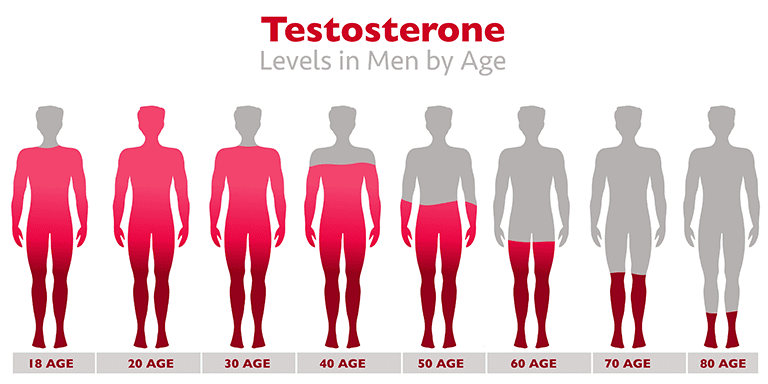
- Aging: While not inevitable, a gradual decline of approximately 1 percent per year after age 30 is typical. However, research emphasizes that aging per se does not inevitably precipitate hypogonadism; rather, age-associated comorbidities catalyze functional decline.
- Obesity and Metabolic Syndrome: Visceral adiposity (belly fat) is both a cause and consequence of low testosterone. Adipose tissue contains the enzyme aromatase, which converts testosterone into estrogen. This creates a vicious cycle: lower testosterone promotes further fat accumulation, which further suppresses testosterone.
- Chronic Stress and Elevated Cortisol: Psychological and social factors are critical but often underappreciated contributors. Chronic psychological stress exerts profound suppressive effects on testosterone through sustained elevation of cortisol, which demonstrates an inverse relationship with testosterone. Among men with obesity, a bidirectional relationship between functional hypogonadism and the metabolic syndrome has been well-documented, both being harbingers of increased cardiovascular mortality.
- Sleep Deprivation: Testosterone production occurs primarily during sleep. Insufficient sleep both in duration and quality, directly suppresses nocturnal testosterone secretion.
- Sedentary Lifestyle: Physical inactivity accelerates age-related declines in testosterone. Conversely, structured physical activity can produce meaningful improvements in hormonal profiles.
- Nutritional Deficiencies: Inadequate intake of micronutrients essential for steroidogenesis, particularly zinc, magnesium, and vitamin D, impairs testosterone synthesis.
- Environmental Exposures: Endocrine-disrupting chemicals found in plastics (phthalates, BPA), pesticides, and personal care products interfere with hormonal function.
Influenza (Flu): Symptoms, Causes, and Treatment Options
SYMPTOMS OF LOW TESTOSTERONE
The symptoms of testosterone deficiency can be subtle and gradual, often mistaken for normal aging. According to clinical guidelines, diagnosis requires consistent symptoms plus blood tests confirming low testosterone levels on at least two separate morning tests.
Sexual Symptoms
- Reduced libido (sex drive)
- Fewer spontaneous erections, including morning erections
- Erectile dysfunction
- Decreased sexual satisfaction
Physical Symptoms
- Persistent fatigue and low energy
- Increased body fat, particularly abdominal
- Reduced muscle mass and strength
- Decreased bone density (osteoporosis risk)
- Hair thinning
Emotional and Cognitive Symptoms
- Low mood or mild depression
- Irritability
- Difficulty concentrating (“brain fog”)
- Reduced motivation and drive
Sleep Changes
- Poor sleep quality
- Increased risk of sleep apnea
Erectile Dysfunction: Causes, Symptoms, Diagnosis & Treatment Options
Low Testosterone in Women
While often overlooked, testosterone deficiency affects women as well. Symptoms include low libido, reduced sexual arousal, persistent fatigue, and diminished overall well-being.
DIAGNOSIS: HOW IS LOW TESTOSTERONE IDENTIFIED?
Accurate diagnosis of testosterone requires a systematic medical approach, not simply checking a single lab value.
Diagnostic Pathway
Step 1: Symptom Assessment
A healthcare provider will review sexual function, mood, energy levels, sleep patterns, medications, and medical history.
Step 2: Physical Examination
Assessment for signs including reduced body hair, decreased muscle mass, gynecomastia (enlarged breast tissue), and testicular abnormalities.
Step 3: Blood Testing
- Morning Testing: Testosterone is highest in the morning; samples should be collected before 10 AM
- Repeat Confirmation: At least two separate morning tests
- Components Measured: Total testosterone, free testosterone (bioavailable fraction)
- Additional Hormones: LH, FSH, prolactin, estradiol, thyroid function
The Endocrine Society generally defines low total testosterone as below 300 ng/dL (10.4 nmol/L) in adult males. However, reference ranges vary by laboratory, and “normal” levels may still be suboptimal for an individual’s age and symptoms.
NATURAL STRATEGIES FOR TESTOSTERONE OPTIMIZATION
Before considering testosterone replacement therapy (TRT), evidence-based lifestyle interventions such as weight loss, dietary changes, physical activity, sleep interventions, and stress management, should be implemented as first-line treatment.
- Exercise Interventions
Resistance training represents one of the most extensively studied and effective natural interventions for maintaining testosterone levels.
Resistance Training Protocols
- Exercise Selection: Multijoint compound exercises (squats, deadlifts, bench press, rows) are particularly effective at stimulating testosterone release compared with single-joint movements, due to greater recruitment of overall muscle mass and metabolic demand
- Intensity: Moderate to high intensity shows beneficial effects
- Volume and Recovery: Progressive overload with adequate recovery periods
Esophageal Cancer: Symptoms, Causes, Diagnosis, and Treatment
Aerobic Exercise Considerations
- Moderate Intensity: Brisk walking, jogging, or cycling at moderate intensity produces favorable effects
- Avoid Excess: Excessive endurance training may suppress testosterone
Combined Training
Integrating resistance and aerobic training offers synergistic benefits that exceed either modality alone, simultaneously targeting cardiovascular health, muscle mass preservation, and hormonal optimization.
- Nutritional Strategies and Dietary Patterns
What you eat directly impacts steroidogenesis.
Mediterranean Dietary Pattern
Emphasis on whole foods, healthy fats (olive oil, avocados, nuts), fatty fish (salmon, sardines), and antioxidant-rich vegetables supports endogenous testosterone production while reducing systemic inflammation.
Key Nutrients for Testosterone Synthesis
| Nutrient | Role | Food Sources |
| Zinc | Essential for steroidogenic enzyme function; deficiency directly impairs testosterone production | Oysters, red meat, pumpkin seeds, shellfish |
| Vitamin D | Supports Leydig cell function; deficiency linked to low testosterone | Sunlight exposure, fatty fish, egg yolks, fortified foods |
| Magnesium | Supports LH sensitivity and free testosterone | Dark leafy greens, nuts, seeds, legumes |
| Healthy Fats | Cholesterol is the precursor for all steroid hormones | Olive oil, avocados, nuts, fatty fish |
Foods to Eat More
- Oysters (zinc-rich)
- Egg yolks (vitamin D, cholesterol)
- Salmon and sardines (omega-3s, vitamin D)
- Broccoli, cauliflower, Brussels sprouts (cruciferous vegetables support estrogen metabolism)
- Olive oil and avocados (monounsaturated fats)
Foods to Limit
- Excessive alcohol (directly toxic to Leydig cells)
- Ultra-processed foods and added sugars (promote inflammation and insulin resistance)
- Very low-fat diets (may decrease testosterone)
- Sleep Optimization
Stroke: Causes, Symptoms, Diagnosis, and Treatment Options
Testosterone production follows a circadian rhythm, with secretion peaking during deep (slow-wave) sleep. Chronic sleep restriction to 5 hours per night has been shown to reduce daytime testosterone levels by 10 to 15 percent.
- Stress Reduction and Cortisol Management
Chronic stress elevates cortisol, which directly inhibits testosterone synthesis through multiple pathways.
WHEN IS TESTOSTERONE REPLACEMENT THERAPY (TRT) APPROPRIATE?
For men with clinically confirmed hypogonadism (both symptoms and persistently low testosterone) that does not respond to lifestyle interventions, testosterone replacement therapy may be indicated.
Forms of TRT
- Injectable formulations (short and long-acting)
- Transdermal gels and patches
- Oral formulations
- Subcutaneous pellets
Contraindications to TRT
- Active prostate cancer
- Breast cancer (in men)
- Severe untreated sleep apnea
- Current fertility intention (TRT suppresses spermatogenesis)
- Elevated hematocrit (risk of polycythemia)
TRT is not approved for age-related hypogonadism without documented low testosterone and symptoms. The FDA maintains “Limitation of Use” language for age-related declines that do not meet diagnostic criteria. Furthermore, TRT suppresses natural production and may cause testicular atrophy and infertility.
PREVENTION AND LONG-TERM MANAGEMENT
The most effective approach to testosterone optimization is proactive, lifelong attention to modifiable health factors.
Core Prevention Strategies
- Maintain Healthy Body Weight: Visceral fat reduction is the single most effective lifestyle intervention for functional hypogonadism
- Engage in Regular Resistance Exercise: Compound lifts, 3–4 times weekly
- Prioritize Sleep Hygiene: 7–9 hours of quality sleep nightly
- Manage Chronic Stress: Incorporate daily stress-reduction practices
- Optimize Nutrition: Mediterranean-style eating pattern with adequate zinc, vitamin D, and healthy fats
- Limit Alcohol: Excessive intake directly suppresses testosterone
- Reduce Environmental Exposures: Minimize use of plastic food containers, choose fragrance-free personal care products when possible
Immune Boosters for Kids: Foods, Habits & Supplements That Actually Work
MONITORING AND FOLLOW-UP
Men with diagnosed low testosterone, whether managed with lifestyle, supplementation, or TRT, require regular monitoring of:
- Symptoms (using validated questionnaires)
- Total and free testosterone levels (morning draws)
- Hematocrit (for those on TRT)
- Prostate health (PSA testing as indicated)
Frequently Asked Questions (FAQs) about Testosterone
- What is the fastest way to naturally increase testosterone?
The most rapid natural increases come from combining high-intensity resistance training (compound exercises like squats and deadlifts), adequate sleep (7–9 hours), stress reduction (lowering cortisol), and correcting nutritional deficiencies (zinc and vitamin D). However, “fast” in the context of natural optimization typically means weeks to months, not days. For immediate elevation, testosterone replacement therapy is faster, but it carries risks and requires medical supervision.
- Does masturbation lower testosterone levels?
No. Research consistently shows that acute ejaculation does not produce clinically meaningful or sustained reductions in baseline testosterone levels. While transient fluctuations occur, returning to baseline within hours, chronic masturbation does not cause hypogonadism. This is a persistent myth without scientific support.
- Can over-the-counter testosterone boosters work?
Some individual ingredients (zinc, ashwagandha, fenugreek, vitamin D) have shown modest benefits in peer-reviewed studies. However, commercial multi-ingredient “testosterone boosters” are inconsistently formulated, poorly regulated, and often lack rigorous efficacy data. A 2024 analysis found that many ingredients in commercial boosters carry risks of endocrine system dysregulation. Professional guidelines emphasize that no supplement should replace foundational lifestyle interventions.
- Is low testosterone reversible without medication?
For functional hypogonadism (low testosterone due to obesity, stress, poor sleep, or nutritional deficiency), yes, substantial improvement and even normalization are achievable through lifestyle modification. A 2026 review published in Maturitas confirms that when coexistent conditions are addressed, testosterone levels can improve meaningfully. However, primary hypogonadism (testicular failure due to genetic conditions, trauma, or chemotherapy) typically requires lifelong testosterone replacement therapy.
Sepsis: Causes, Symptoms, Diagnosis & Treatment Options
Menstrual Disorders: Types, Causes, Symptoms & Treatment Options