

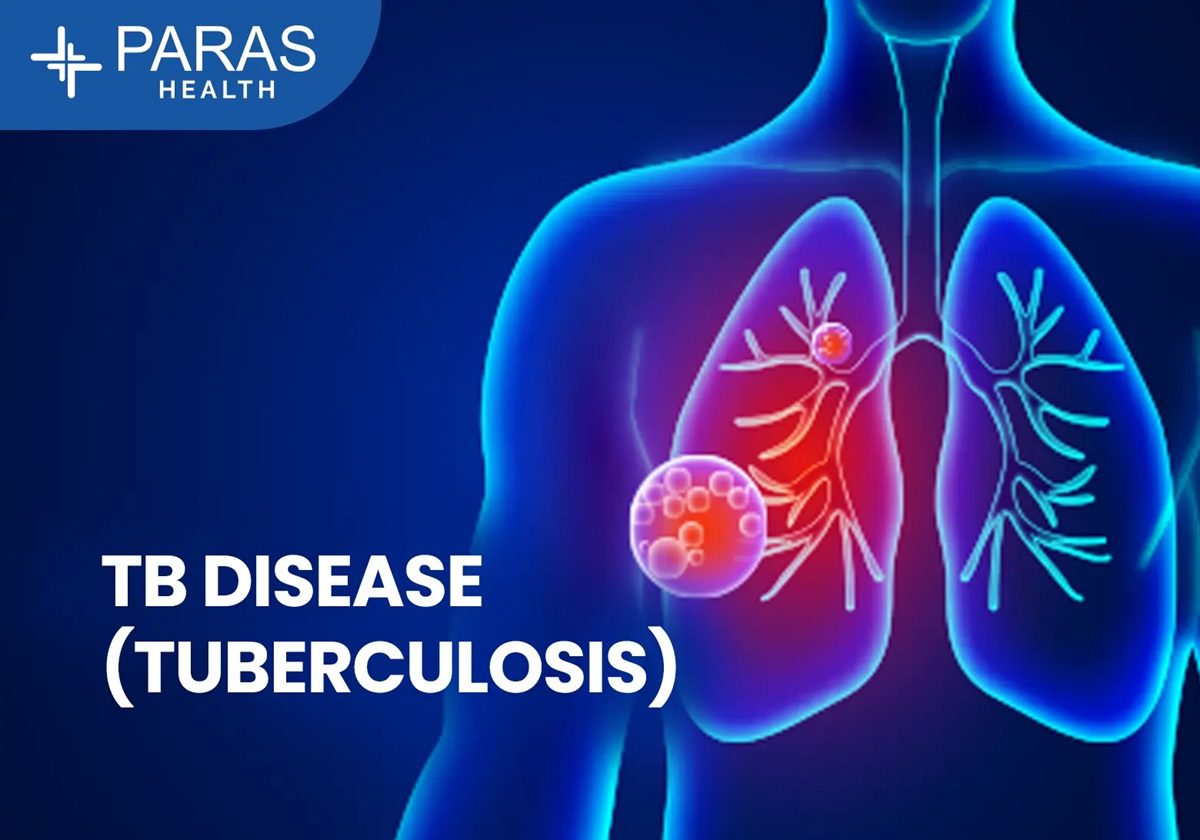
Tuberculosis (TB) is an ancient yet persistent infectious disease that remains one of the world’s deadliest health threats. Tuberculosis is an airborne infectious disease caused by Mycobacterium tuberculosis bacteria. These bacteria are rod-shaped, aerobic, and slow-growing, dividing once every 15–20 hours, which explains why symptoms often develop gradually and treatment takes a long time. TB most commonly affects the lungs (pulmonary TB), but it can also spread through the bloodstream or lymphatic system to other parts of the body, such as the kidneys, brain, spine, bones, and skin (extrapulmonary TB), posing a significant risk to global public health. In 2024 alone, an estimated 10.7 million people fell ill with TB, and 1.23 million died from the disease, making it the leading cause of death from a single infectious agent globally, according to the WHO.
For many years, TB was mistakenly viewed as a disease of the past, but it continues to affect millions, particularly in low- and middle-income countries. TB is both preventable and curable, yet challenges such as drug resistance, limited access to healthcare, and co-infection with HIV hinder progress in eliminating it. Understanding the nature of TB, its symptoms, and available treatments is crucial for early detection, effective management, and reducing transmission.
How Tuberculosis Spreads
Tuberculosis is transmitted when a person with active pulmonary or laryngeal TB coughs, sneezes, speaks, sings, or spits, releasing tiny droplets containing the bacteria into the air. These droplets can remain suspended in the air for several hours, and others can become infected by inhaling them. It is not easily spread through casual contact, such as shaking hands, sharing food or drinks, or touching surfaces.
Colon Cancer: Symptoms, Stages, Screening, and Treatment
Latent TB Infection vs. Active TB Disease
Not everyone infected with TB bacteria becomes sick. There are two distinct conditions:
- Latent TB Infection (LTBI): The bacteria are present in the body but remain inactive because the immune system controls them. People with LTBI have no symptoms, do not feel sick, and cannot spread the infection to others. However, they have a 5–10% lifetime risk of developing active TB disease, especially if their immune system weakens.
- Active TB Disease: The bacteria multiply and cause illness. People with active TB usually have symptoms and can spread the infection to others. It can develop soon after infection or years later when immunity declines.
Types and Classifications
TB can be classified in several ways based on its location, severity, drug susceptibility, and clinical presentation:
By Site of Infection
- Pulmonary TB: Affects the lungs, accounting for about 90% of active cases. It is the most common form and is usually infectious.
- Extrapulmonary TB: Occurs outside the lungs, such as in the lymph nodes, pleura, kidneys, bones, joints, brain, or spinal cord. It is less common but more frequent in people with HIV or weakened immune systems. Most extrapulmonary TB is not infectious unless it involves the lungs or larynx.
- Miliary TB: A severe form of disseminated TB where bacteria spread through the bloodstream, causing tiny lesions throughout the body. It is more common in infants, young children, and immunocompromised individuals and can be fatal if untreated.
By Drug Susceptibility
- Drug-Susceptible TB: Responds to the standard first-line anti-TB medications.
- Drug-Resistant TB: Caused by bacteria that are resistant to one or more anti-TB drugs.
- Multidrug-Resistant TB (MDR-TB): Resistant to at least isoniazid and rifampicin, the two most effective first-line drugs.
- Extensively Drug-Resistant TB (XDR-TB): Resistant to isoniazid, rifampicin, any fluoroquinolone, and at least one additional second-line drug, leaving very limited treatment options.
By Clinical Presentation
- Primary TB: Occurs soon after initial infection, often in children or people with weakened immunity. It may be mild or asymptomatic but can progress rapidly to active disease.
- Post-Primary TB: Develops later in life, usually from reactivation of latent infection. It is the most common form in adults and typically affects the upper lobes of the lungs.
Influenza (Flu): Symptoms, Causes, and Treatment Options
Causes of Tuberculosis
TB is caused by infection with Mycobacterium tuberculosis bacteria. Other closely related species, such as M. bovis, M. africanum, and M. caprae, can also cause disease in humans, though less frequently.
Risk Factors associated with Tuberculosis
The risk of developing active TB depends on two main factors: exposure to the bacteria and the strength of the immune system.
High-Risk Groups for Exposure
- Close contacts of people with active TB (especially household members)
- People born in or traveling to countries with high TB rates (e.g., parts of Asia, Africa, Latin America)
- Those living or working in crowded or closed settings, such as prisons, homeless shelters, nursing homes, or hospitals
- Healthcare workers who care for TB patients
High-Risk Groups for Developing Active TB
- People living with HIV (the strongest risk factor, increasing risk by 20–30 times)
- Children under 5 years of age
- People recently infected with TB (within the last 2 years)
- Those with chronic conditions like diabetes, chronic kidney disease, or silicosis
- Individuals taking immunosuppressive medications (e.g., steroids, chemotherapy, or drugs after organ transplantation)
- People with malnutrition or low body weight
- Tobacco users and heavy alcohol consumers
People with diabetes are 2–3 times more likely to develop TB, and the risk increases further with poor blood sugar control.
Symptoms of Tuberculosis
Symptoms of TB vary depending on whether it is latent or active, and which part of the body is affected.
Latent TB Infection shows No symptoms, No signs of illness, and Cannot spread to others. For active TB Disease, symptoms often develop slowly and may be mild for months, leading to delays in seeking care and increasing transmission risk.
General Symptoms
- Persistent fever
- Chills
- Night sweats
- Unexplained weight loss
- Loss of appetite
- Fatigue and weakness
Testosterone and Hormones: Optimization of Low Testosterone with Natural Remedy and Supplementation
Pulmonary TB Symptoms
- Cough lasting 3 weeks or longer
- Coughing up blood or sputum (mucus from deep in the lungs)
- Chest pain or discomfort, especially when breathing or coughing
- Shortness of breath
Extrapulmonary TB Symptoms
Symptoms depend on the affected organ:
- Lymph nodes: Swollen, painless lumps, often in the neck or armpits.
- Pleura: Chest pain, difficulty breathing, and fluid accumulation around the lungs.
- Bones and joints: Pain, stiffness, and swelling, often in the spine or hips.
- Kidneys: Blood in urine, frequent urination, and pain when urinating.
- Brain and spinal cord (TB meningitis): Severe headache, neck stiffness, fever, confusion, nausea, vomiting, and in severe cases, coma or death.
- Heart: Chest pain, difficulty breathing, and irregular heartbeat.
Symptoms by Age
- Infants and young children: May have fever that does not go away, poor weight gain or growth, lethargy, irritability, vomiting, or bulging soft spot on the head (if meningitis is present).
- Older adults: May have less typical symptoms, such as persistent cough without fever, or general decline in health, making diagnosis more challenging.
Diagnosis of Tuberculosis
Early and accurate diagnosis is critical for effective treatment and preventing the spread of TB. The diagnostic process typically includes:
- Medical History and Physical Examination
- Questions about symptoms, possible exposure to TB, travel history, and underlying health conditions.
- Physical exam to check for signs like swollen lymph nodes, chest abnormalities, or weight loss.
- Tests for Latent TB Infection
- Tuberculin Skin Test (TST): A small amount of purified protein derivative (PPD) is injected under the skin. The result is read after 48–72 hours; a raised, hard area indicates possible infection.
- Interferon-Gamma Release Assays (IGRAs): Blood tests that detect the body’s immune response to TB bacteria. They are more specific than TST and not affected by BCG vaccination.
- Tests for Active TB Disease
- Sputum Examination: The gold standard for diagnosing pulmonary TB. Samples of sputum are tested using:
- Smear Microscopy: Checks for acid-fast bacilli under a microscope. It is fast and low-cost but less sensitive.
- Culture: Grows bacteria in a laboratory to confirm diagnosis and test for drug susceptibility. It is highly accurate but takes 2–4 weeks.
- Rapid Molecular Tests: WHO-recommended tests like Xpert MTB/RIF Ultra and Truenat can detect TB bacteria and resistance to rifampicin in just 2 hours, enabling early treatment initiation.
- Chest X-Ray or CT Scan: Helps identify abnormalities in the lungs, such as cavities, scarring, or fluid accumulation.
- Other Tests: For extrapulmonary TB, samples may be taken from fluid or tissue (e.g., urine, cerebrospinal fluid, or biopsies) for testing.
Erectile Dysfunction: Causes, Symptoms, Diagnosis & Treatment Options
Treatment Options for Tuberculosis
TB is curable with appropriate treatment, which involves taking a combination of antibiotics for several months. The goal is to kill all bacteria, prevent relapse, and avoid the development of drug resistance.
Treatment for Latent TB Infection
Treatment is recommended for people with LTBI who are at high risk of developing active TB. It reduces the risk by 60–90%. Common regimens include:
- 6–9 months of isoniazid alone
- 3–4 months of isoniazid plus rifampicin
- 1 month of daily rifapentine plus isoniazid
Treatment for Active TB Disease
Treatment is divided into two phases:
- Intensive Phase: The first 2 months, using a combination of four drugs to rapidly reduce the number of bacteria and stop transmission.
- Continuation Phase: The remaining 4–7 months, using two or three drugs to kill remaining bacteria and prevent relapse.
Standard Regimen for Drug-Susceptible TB
The most common regimen is 2HRZE/4HR, which includes:
- Intensive phase (2 months): Isoniazid (H), Rifampicin (R), Pyrazinamide (Z), Ethambutol (E)
- Continuation phase (4 months): Isoniazid and Rifampicin
Shorter regimens, such as 4 months of rifapentine plus moxifloxacin, are also available for eligible patients.
Treatment for Drug-Resistant TB
MDR-TB and XDR-TB require longer treatment (18–24 months) with more expensive and potentially toxic second-line drugs. Modern regimens include:
- BPaL/BPaLM: A 6-month regimen using bedaquiline, pretomanid, linezolid, and optionally moxifloxacin, which has shown high cure rates.
- Other combinations including fluoroquinolones, injectable drugs, and newer agents like delamanid.
Important Treatment Principles
- Adherence is key: Missing doses or stopping treatment early can lead to treatment failure, relapse, and the development of drug resistance.
- Directly Observed Therapy (DOT): A healthcare worker or trained volunteer watches the patient take their medication to ensure compliance.
- Monitoring: Regular check-ups, sputum tests, and blood tests are done to track progress and manage side effects.
- Supportive care: Nutritional support, rest, and treatment of co-existing conditions like HIV or diabetes are important for recovery.
Esophageal Cancer: Symptoms, Causes, Diagnosis, and Treatment
Complications
If left untreated or inadequately treated, Tuberculosis can cause serious complications, such as:
Respiratory Complications
- Lung damage, scarring, and cavities
- Bleeding into the airways (hemoptysis)
- Pleural effusion or empyema (fluid or pus around the lungs)
- Respiratory failure
Systemic Complications
- Spread of infection to other organs (disseminated or miliary TB)
- TB meningitis, which can lead to brain damage, hearing loss, or death
- Bone and joint destruction, leading to disability
- Kidney or liver damage
- Heart problems, such as pericarditis or cardiac tamponade
Other Complications
- Malnutrition and weight loss
- Social stigma and mental health issues
- Increased risk of death, especially in people with HIV or drug-resistant TB
Preventing Tuberculosis
Preventing TB involves a combination of strategies to reduce transmission, protect high-risk groups, and stop latent infection from becoming active disease. These strategies include:
- Vaccination
- BCG Vaccine: The only available vaccine for TB. It is primarily given to infants and young children in countries with high TB rates. It does not always prevent infection but is highly effective at preventing severe forms of TB like meningitis and miliary disease in children.
- New vaccines are currently in development and clinical trials.
- Early Detection and Treatment
- Identifying and treating people with active TB is the most effective way to stop transmission.
- Ensuring complete treatment to cure the patient and prevent drug resistance.
- Preventive Treatment
- Offering TB Preventive Treatment (TPT) to people with latent TB infection, especially those at high risk (e.g., people living with HIV, close contacts, children).
- Infection Control
- In healthcare settings: Using proper ventilation, personal protective equipment (e.g., masks), and isolating patients with active TB.
- In the community: Encouraging people with TB to cover their mouth when coughing, dispose of sputum properly, and avoid close contact with others until they are no longer infectious.
- Addressing Social and Environmental Factors
- Improving living conditions, reducing overcrowding, and ensuring access to clean air and water.
- Promoting good nutrition, stopping smoking, and reducing alcohol consumption.
- Providing access to healthcare and education about TB.
Stroke: Causes, Symptoms, Diagnosis, and Treatment Options
Lifestyle and Management Tips
If you have been diagnosed with TB or know anyone who is, the following tips can aid faster recover and prevent complications:
- Take medications exactly as prescribed: Do not miss doses or stop treatment early, even if you feel better.
- Attend all follow-up appointments: Your doctor will monitor your progress and check for side effects.
- Get plenty of rest: Your body needs energy to fight the infection.
- Eat a healthy, balanced diet: Include plenty of fruits, vegetables, protein, and whole grains to support your immune system and regain weight.
- Drink enough water: Stay hydrated to help your body function properly.
- Avoid smoking and alcohol: These can worsen lung damage and reduce the effectiveness of treatment.
- Practice good hygiene: Cover your mouth when coughing or sneezing, and wash your hands regularly.
- Inform close contacts: Ask them to get tested for TB so they can receive treatment if needed.
- Seek support: TB can be physically and emotionally challenging. Talk to your family, friends, or a counselor for support.
Frequently Asked Questions (FAQs) About Tuberculosis
Q1: How do I know if I have TB?
A: Common symptoms include a cough lasting more than 3 weeks, coughing up blood, chest pain, weight loss, fever, and night sweats. If you have these symptoms or have been in contact with someone with TB, see a doctor for testing.
Q2: Is TB curable?
A: Yes, most cases of TB are curable with the right treatment. Drug-susceptible TB has a cure rate of over 85%, and even drug-resistant TB can be treated with specialized regimens.
Q3: Can I get TB if I have been vaccinated with BCG?
A: The BCG vaccine protects against severe forms of TB in children but does not always prevent infection or pulmonary TB in adults. You can still get TB even if you have been vaccinated, so it is important to get tested if you have symptoms.
Q4: How long does treatment take?
A: Treatment for active TB usually takes 6–9 months. Latent TB treatment takes 3–9 months depending on the regimen. It is important to complete the full course to ensure all bacteria are killed.
Immune Boosters for Kids: Foods, Habits & Supplements That Actually Work
Sepsis: Causes, Symptoms, Diagnosis & Treatment Options
Menstrual Disorders: Types, Causes, Symptoms & Treatment Options