

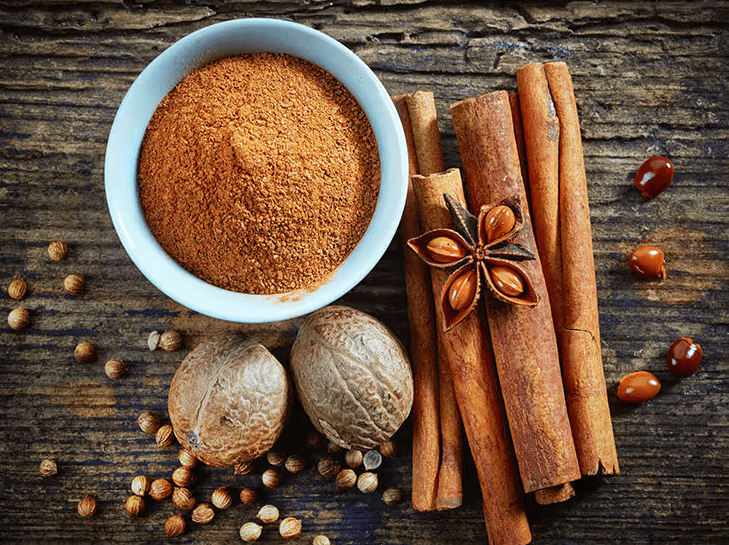
Cinnamon is more than just a fragrant spice used to enhance the flavor of morning lattes and baked goods. For thousands of years, this aromatic bark has been prized in traditional medicine systems, from Ayurveda to Ancient Chinese medicine, for its potent healing properties.
THE BOTANY OF CINNAMON: CASSIA VS. CEYLON
Before diving into the health benefits, it is vital to distinguish between the two primary types of cinnamon found on the market. While they share a similar name, their chemical compositions and safety profiles differ significantly.
Ceylon Cinnamon (Cinnamomum verum): Often referred to as “True Cinnamon,” Ceylon is native to Sri Lanka and southern parts of India. It is produced from the inner bark of the Cinnamomum verum tree. It has a lighter, tan-brown color and a soft, delicate texture that can be easily ground into powder. From a health perspective, Ceylon is preferred for long-term consumption because it contains negligible amounts of coumarin, a natural plant compound that can be toxic to the liver in high doses.
Turmeric Health Benefits: Nutrition, Medicinal Uses, and Scientific Evidence
Cassia Cinnamon (Cinnamomum cassia): This is the “standard” cinnamon found in most grocery stores. It is darker, thicker, and has a more pungent, spicy flavor. Cassia originates primarily from China and Indonesia. While it contains many of the same beneficial antioxidants as Ceylon, it is significantly higher in coumarin. For therapeutic doses, healthcare providers often recommend Ceylon to avoid potential liver strain.
NUTRITIONAL PROFILE AND BIOACTIVE COMPOUNDS
Cinnamon’s medicinal power isn’t derived from its vitamin or mineral content which is modest in typical serving sizes, but from its polyphenols and essential oils.
Essential Oils: The Trifecta
The primary health-promoting components of cinnamon are found in its essential oils, extracted from the bark:
- Cinnamaldehyde: This compound gives cinnamon its distinct odor and flavor. It is responsible for most of the spice’s potent effects on metabolism and its antifungal/antibacterial properties.
- Cinnamic Acid: Known for its anti-inflammatory effects and its ability to help improve blood flow.
- Cinnamate: A derivative of cinnamic acid that plays a role in reducing cholesterol levels.
Micronutrient Density
One tablespoon (approx. 8 grams) of ground cinnamon contains:
- Fiber: 4 grams (an impressive amount for a spice)
- Manganese: 68% of the Daily Value (DV)
- Calcium: 8% of the DV
- Iron: 4% of the DV
While you likely won’t consume a tablespoon daily, even a teaspoon provides a significant boost of manganese, a mineral essential for bone health and blood clotting.
Early Signs and Symptoms of Pregnancy: What to Expect in the First Weeks
BLOOD SUGAR REGULATION AND INSULIN SENSITIVITY
Perhaps the most well-documented medicinal use of cinnamon is its impact on Type 2 diabetes and metabolic syndrome. Research indicates that cinnamon can lower blood sugar through several distinct mechanisms.
Mimicking Insulin: Cinnamon contains compounds that can act like insulin itself. By mimicking the hormone, these compounds increase the rate of glucose uptake into the cells, effectively lowering the amount of sugar circulating in the bloodstream.
Improving Insulin Sensitivity: In many people with Type 2 diabetes, the body becomes “deaf” to insulin (insulin resistance). Cinnamon has been shown to significantly increase insulin sensitivity, helping the hormone do its job more effectively. According to a PubMed, the consumption of cinnamon is associated with a statistically significant decrease in levels of fasting plasma glucose.
Slowing Carbohydrate Digestion: Cinnamon interferes with numerous digestive enzymes, such as alpha-glucosidase and pancreatic amylase. This slows the breakdown of carbohydrates in the digestive tract, leading to a more gradual rise in blood sugar after meals rather than a sharp spike.
CARDIOVASCULAR HEALTH AND LIPID PROFILES
Heart disease remains the leading cause of death globally. Cinnamon contributes to cardiovascular health by targeting the “Big Three” risk factors: high cholesterol, high triglycerides, and hypertension.
Lipid Management: Regular cinnamon intake has been shown to reduce “bad” LDL cholesterol and triglycerides while maintaining or even increasing “good” HDL cholesterol. An analysis on PMC found that cinnamon significantly lowered total cholesterol and LDL levels in patients with Type 2 diabetes.
Top Vitamins for Hormonal Balance in Women: Science-Backed Nutrients for Optimal Health
Reducing Blood Pressure: Cinnamic acid and other volatiles in the spice help relax the vascular system. When blood vessels are more dilated and flexible, the heart does not have to pump as hard, leading to a reduction in both systolic and diastolic blood pressure.
POTENT ANTIOXIDANT AND ANTI-INFLAMMATORY EFFECTS
Oxidative stress and chronic inflammation are the “silent” drivers behind almost every modern disease, from cancer to Alzheimer’s.
Antioxidant Powerhouse: In a study comparing the antioxidant activity of 26 different spices, cinnamon emerged as the clear winner, outranking even “superfoods” like garlic and oregano. It is packed with high-quality polyphenols that neutralize free radicals, unstable molecules that damage DNA and cellular structures.
Fighting Systemic Inflammation: Inflammation is the body’s natural response to infection, but when it becomes chronic, it attacks healthy tissues. The cinnamaldehyde in cinnamon inhibits the expression of pro-inflammatory cytokines. This makes it a potential natural aid for inflammatory conditions like rheumatoid arthritis or inflammatory bowel disease (IBD).
NEUROPROTECTIVE PROPERTIES: PROTECTING THE BRAIN
As the global population ages, research into neurodegenerative diseases like Alzheimer’s and Parkinson’s has intensified. Cinnamon has shown remarkable promise in protecting neurons.
Inhibiting Tau Protein Buildup: One of the hallmarks of Alzheimer’s disease is the buildup of a protein called “tau” in the brain, which forms tangles that choke off brain cells. Research on PubMed suggests that compounds found in cinnamon extract can inhibit the accumulation of these toxic filaments and even help break them down.
Best Natural Remedies for Hot Flashes: How to Find Relief Naturally
Protecting Dopamine Levels: In Parkinson’s disease, the brain loses cells that produce dopamine, leading to motor tremors and cognitive decline. Animal studies have shown that cinnamon helps protect these neurons and normalizes neurotransmitter levels, though more human clinical trials are needed to confirm these specific neuroprotective effects in people.
ANTIFUNGAL, ANTIBACTERIAL, AND ANTIVIRAL PROPERTIES
Cinnamaldehyde, the primary active component, is a potent antimicrobial agent. Historically, cinnamon was used to preserve food because it naturally prevents the growth of bacteria and fungi.
Oral Health: Cinnamon’s antimicrobial effects extend to the mouth. It is highly effective at reducing the bacteria that cause tooth decay and halitosis (bad breath). This is why cinnamon oil is a common ingredient in natural toothpastes and mouthwashes.
Fighting Infections: Cinnamon oil can help treat respiratory tract infections caused by fungi and inhibit the growth of certain bacteria, including Listeria and Salmonella.
WEIGHT MANAGEMENT AND METABOLIC RATE
While cinnamon is not a “magic pill” for weight loss, it supports metabolic health in ways that make weight management easier.
Thermogenesis: Cinnamon has thermogenic properties, meaning it slightly increases the body’s metabolic rate. When your metabolic rate is higher, you burn more calories at rest.
Appetite Suppression: Because cinnamon slows the emptying of the stomach (gastric emptying) and stabilizes blood sugar, it helps prevent the “hunger crashes” that lead to overeating and sugar cravings. By keeping insulin levels stable, it also prevents the body from entering “fat-storage mode,” which occurs when insulin is chronically high.
SAFETY, SIDE EFFECTS, AND DOSAGE
Despite its benefits, cinnamon must be used correctly to avoid adverse effects.
The Coumarin Risk: Cassia cinnamon contains high levels of coumarin. The Tolerable Daily Intake (TDI) for coumarin is approximately 0.1 mg per kg of body weight. For a person weighing 150 lbs, just one to two teaspoons of Cassia cinnamon could put them over the limit. Excess coumarin is linked to liver damage and may increase the risk of cancer in some individuals.
Best Foods for a Healthy Pregnancy: Complete Guide to Nutrition, and Safe Eating
Solution: Use Ceylon cinnamon for therapeutic or daily use.
Drug Interactions: Cinnamon may interact with certain medications, particularly:
- Diabetes drugs: Since cinnamon lowers blood sugar, it may cause hypoglycemia (dangerously low blood sugar) if combined with insulin or metformin.
- Blood thinners: Cinnamon has mild anticoagulant properties and should be used with caution by those on Warfarin or aspirin.
- Liver medications: Due to the coumarin content in Cassia, it may exacerbate the side effects of drugs that affect the liver.
Recommended Dosage
Most clinical studies use doses ranging from 1 to 6 grams (about 0.5 to 2 teaspoons) per day. It is generally recommended to start on the lower end of the spectrum to assess tolerance.
HOW TO INCORPORATE CINNAMON INTO YOUR DIET
To reap the benefits without the risks, follow these practical tips:
- Switch to Ceylon: Source organic Ceylon cinnamon powder or sticks for your daily use.
- Add to Coffee/Tea: Stirring a half-teaspoon into your morning brew is an easy way to stabilize blood sugar for the day.
- Smoothies and Oatmeal: These are classic vehicles for cinnamon and help mitigate the glycemic load of the fruit or grains.
- Savory Dishes: In Middle Eastern and Indian cuisine, cinnamon is used in stews, curries, and meat rubs. This adds depth of flavor without the need for sugar.
- Cinnamon Supplements: If using capsules, ensure they are standardized extracts and preferably labeled as Ceylon.
FAQs: Frequently Asked Questions
Q1: Can cinnamon replace my diabetes medication?
Absolutely not. While cinnamon is a powerful tool for managing blood sugar, it should be used as a complementary therapy alongside the treatment plan prescribed by your doctor. Never stop or alter your medication without medical supervision.
Natural Ways to Regulate Irregular Periods: Strategies for Hormonal Balance
Q2: Is it safe to eat cinnamon every day?
Yes, provided you are using Ceylon cinnamon. If you are using Cassia cinnamon, you should limit your intake to small amounts (less than a teaspoon daily) to avoid potential liver toxicity from coumarin.
Q3: Does cinnamon help with weight loss?
Cinnamon supports weight loss indirectly by improving insulin sensitivity and slowing digestion, which reduces cravings. However, it will only be effective when combined with a calorie-controlled diet and regular exercise.
Q4: Can pregnant women consume cinnamon?
Cinnamon in culinary amounts (the amount found in food) is generally considered safe during pregnancy. However, pregnant women should avoid medicinal doses or cinnamon supplements, as concentrated amounts may stimulate the uterus.
Clove Health Benefits: Nutrition and Medicinal Uses
Ginger Health Benefits: Nutrition, Medicinal Uses, and Scientific Evidence
Polycystic Ovary Syndrome (PCOS) and Infertility: Causes, Symptoms, and Treatment