

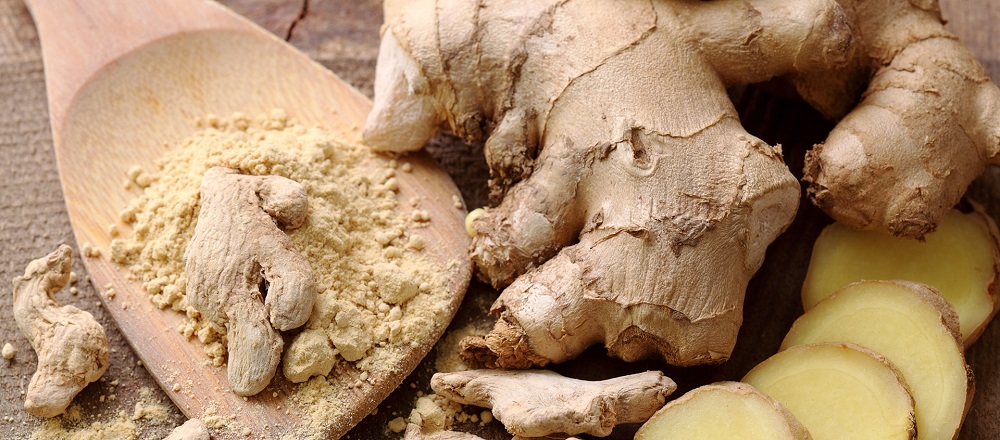
For centuries, ginger has been one of the most widely used medicinal plants in the world. Revered in traditional Chinese medicine, Ayurveda, and numerous indigenous healing systems, ginger has long been used to treat digestive complaints, relieve nausea, reduce inflammation, and support overall health. Today, modern scientific research continues to investigate ginger’s therapeutic potential, confirming many of the health benefits that traditional medicine practitioners have recognized for generations.
Derived from the underground stem, or rhizome, of the plant Zingiber officinale, ginger is prized for its distinctive flavor, aroma, and medicinal properties. It is commonly consumed fresh, dried, powdered, as a tea, or in supplement form. Beyond its culinary applications, ginger contains a variety of biologically active compounds that contribute to its potential health-promoting effects.
Researchers have identified several powerful compounds in ginger, particularly gingerols, shogaols, and zingerone, which exhibit antioxidant, anti-inflammatory, antimicrobial, and digestive-supportive properties. These compounds may help protect the body against chronic disease, support immune function, and improve various aspects of physical well-being.
Turmeric Health Benefits: Nutrition, Medicinal Uses, and Scientific Evidence
What Is Ginger?
Ginger is a flowering plant belonging to the Zingiberaceae family, which also includes turmeric, cardamom, and galangal. Native to Southeast Asia, ginger has been cultivated and used as both a spice and medicine for thousands of years.
The medicinal portion of the plant is the rhizome, commonly referred to as ginger root. This underground stem contains a rich concentration of phytochemicals responsible for ginger’s characteristic taste and health benefits.
According to research published in the National Center for Biotechnology Information (NCBI), ginger contains hundreds of bioactive compounds, with gingerols and shogaols being among the most extensively studied for their therapeutic properties. These compounds contribute significantly to ginger’s antioxidant, anti-inflammatory, and digestive-supportive effects.
Nutritional Value of Ginger
Although ginger is typically consumed in relatively small amounts, it contains a variety of beneficial nutrients and plant compounds.
Fresh ginger provides modest amounts of:
- Vitamin C
- Magnesium
- Potassium
- Copper
- Manganese
- Vitamin B6
More importantly, ginger contains numerous phytochemicals, including:
- Gingerols
- Shogaols
- Zingerone
- Paradols
- Flavonoids
- Terpenoids
These naturally occurring compounds are responsible for many of ginger’s biological activities and health-promoting effects.
Early Signs and Symptoms of Pregnancy: What to Expect in the First Weeks
Unlike many medicinal plants, ginger’s benefits often stem more from its phytochemical content than its vitamin or mineral content.
The Active Compounds Behind Ginger’s Health Benefits
The primary bioactive compound in fresh ginger is 6-gingerol, a potent antioxidant and anti-inflammatory molecule. When ginger is dried, heated, or stored for extended periods, some gingerols are converted into shogaols, which may possess even stronger biological activity in certain situations. These compounds contribute to ginger’s effects on inflammation, nausea, pain perception, digestion, and oxidative stress.
Scientists believe the interaction of these compounds with various biological pathways explains the broad range of health benefits associated with ginger consumption.
Ginger Is One of the Most Effective Natural Remedies for Nausea
Perhaps the best-established medicinal use of ginger involves its ability to reduce nausea and vomiting.bFor centuries, ginger has been used to ease stomach discomfort, and modern research strongly supports this traditional application.
Studies have shown that ginger may help reduce:
- Morning sickness during pregnancy
- Motion sickness
- Postoperative nausea
- Chemotherapy-induced nausea
- General digestive upset
Researchers believe ginger influences receptors in the digestive system and nervous system that regulate nausea and vomiting.
Best Foods for a Healthy Pregnancy: Complete Guide to Nutrition, and Safe Eating
Ginger Supports Digestive Health
Digestive support is one of ginger’s oldest and most recognized uses. Ginger appears to stimulate digestive processes by promoting gastric emptying, the movement of food from the stomach into the small intestine. When gastric emptying is delayed, individuals may experience bloating, discomfort, indigestion, and feelings of fullness. As a result, many people find ginger helpful for reducing bloating, indigestion, and mild gastrointestinal discomfort.
Ginger Possesses Powerful Anti-Inflammatory Properties
Chronic inflammation plays a significant role in the development of numerous health conditions, including heart disease, arthritis, diabetes, and certain cancers. One reason ginger has attracted considerable scientific attention is its ability to influence inflammatory pathways throughout the body.
Gingerols and shogaols appear to inhibit the production of inflammatory molecules that contribute to tissue damage and chronic disease.
According to research published in International Journal of Preventive Medicine, ginger demonstrates significant anti-inflammatory effects that may help reduce inflammation-related symptoms and support overall health. These anti-inflammatory properties may partly explain many of ginger’s broader health benefits.
Ginger May Help Relieve Joint and Muscle Pain
Because inflammation contributes to pain, researchers have explored whether ginger can help alleviate conditions involving chronic discomfort. Several studies suggest ginger may reduce pain associated with osteoarthritis, exercise-induced muscle soreness, joint inflammation, and chronic musculoskeletal conditions.
Although ginger should not replace medical treatment, it may serve as a supportive component of comprehensive pain management strategies.
Ginger May Support Heart Health
Cardiovascular disease remains one of the leading causes of death worldwide. Consequently, researchers continue investigating dietary factors that may support cardiovascular wellness. Emerging evidence suggests ginger may contribute to heart health through several mechanisms.
These include:
- Reducing inflammation
- Supporting healthy blood pressure
- Improving cholesterol profiles
- Enhancing circulation
- Reducing oxidative stress
Research published in Nutrition suggests ginger consumption may positively influence several cardiovascular risk factors, although additional large-scale human studies are needed to strengthen current evidence. When combined with a balanced diet and healthy lifestyle, ginger may contribute to long-term cardiovascular health.
Best Natural Remedies for Hot Flashes: How to Find Relief Naturally
Ginger May Help Lower Blood Sugar Levels
Blood sugar management is critical for preventing complications associated with diabetes and metabolic syndrome.
Studies suggest that ginger may improve insulin sensitivity and support glucose regulation; ginger supplementation significantly improved fasting blood sugar levels and markers of long-term blood glucose control among individuals with type 2 diabetes.
Scientists believe ginger’s antioxidant and anti-inflammatory properties may contribute to these metabolic benefits. However, individuals with diabetes should consult healthcare providers before using ginger supplements, particularly if taking blood sugar-lowering medications.
Ginger Is Rich in Antioxidants
Oxidative stress occurs when harmful free radicals accumulate faster than the body can neutralize them. Over time, oxidative stress contributes to aging and the development of chronic diseases.
Ginger contains numerous antioxidant compounds that help protect cells from free radical damage. These compounds neutralize unstable molecules before they can cause significant cellular injury. This antioxidant activity may contribute to healthier aging and reduced disease risk.
Ginger May Strengthen the Immune System
Although ginger is not a cure for infections, its bioactive compounds appear to support various aspects of immune function. Laboratory studies have demonstrated antimicrobial activity against certain bacteria, fungi, and viruses. Additionally, ginger’s anti-inflammatory and antioxidant properties may help support overall immune resilience.
Polycystic Ovary Syndrome (PCOS) and Infertility: Causes, Symptoms, and Treatment
According to research published in Journal of Ethnopharmacology, ginger exhibits immunomodulatory properties that may help regulate immune responses and support the body’s natural defense mechanisms. Regular dietary consumption of ginger may therefore contribute to overall immune health.
Ginger May Help Reduce Menstrual Pain
Menstrual cramps affect millions of women worldwide and can significantly interfere with daily activities. Interestingly, several studies suggest ginger may be as effective as certain over-the-counter pain medications for reducing menstrual discomfort. Researchers attribute these effects to ginger’s ability to reduce inflammatory compounds involved in pain signalling.
Ginger and Weight Management
While no single food can cause significant weight loss on its own, some evidence suggests ginger may support weight management efforts. Researchers propose several mechanisms through which ginger may influence body weight, including:
- Enhancing feelings of fullness
- Supporting metabolic function
- Reducing inflammation
- Influencing fat metabolism
However, ginger should be viewed as part of a broader healthy lifestyle rather than a standalone weight-loss solution.
Ginger May Support Brain Health
The brain is particularly vulnerable to oxidative stress and chronic inflammation, both of which are associated with age-related cognitive decline. Ginger’s antioxidant and anti-inflammatory compounds have attracted interest for their potential neuroprotective effects. Preliminary research suggests ginger may help support memory, learning, and cognitive function while protecting brain cells from oxidative damage. Although additional human studies are needed, current findings suggest ginger may contribute to long-term brain health and healthy aging.
Top Vitamins for Hormonal Balance in Women: Science-Backed Nutrients for Optimal Health
Fresh Ginger vs. Dried Ginger: Which Is Better?
Both fresh and dried ginger offer health benefits, but their chemical composition differs slightly. Fresh ginger contains higher concentrations of gingerols, while dried ginger contains more shogaols due to the conversion process that occurs during drying. Some studies suggest shogaols may possess stronger anti-inflammatory properties, while gingerols contribute significantly to antioxidant activity.
Ultimately, both forms can be beneficial, and the best choice often depends on personal preference and intended use.
How to Incorporate Ginger Into Your Diet
Ginger is remarkably versatile and can be consumed in numerous ways.
Popular options include:
- Fresh ginger tea
- Smoothies
- Soups
- Stir-fries
- Curries
- Fresh juices
- Herbal infusions
Many individuals also choose standardized ginger supplements, although professional guidance is recommended before beginning supplementation.
Potential Side Effects and Precautions
Ginger is generally considered safe when consumed in typical dietary amounts. However, excessive intake may occasionally cause:
- Heartburn
- Stomach discomfort
- Diarrhea
- Mouth irritation
Individuals taking medications or managing chronic health conditions should consult their healthcare provider before using concentrated ginger supplements.
Natural Ways to Regulate Irregular Periods: Strategies for Hormonal Balance
Frequently Asked Questions (FAQs)
What are the main health benefits of ginger?
Ginger may help reduce nausea, support digestion, decrease inflammation, improve blood sugar control, strengthen immunity, and support heart health.
Is ginger good for nausea?
Yes. Ginger is one of the most extensively studied natural remedies for nausea, including pregnancy-related nausea and motion sickness.
Can ginger help reduce inflammation?
Research suggests that ginger contains powerful anti-inflammatory compounds that may help reduce inflammation throughout the body.
Is it safe to drink ginger tea every day?
For most healthy adults, moderate daily consumption of ginger tea is generally considered safe and may provide various health benefits.
Does ginger help with digestion?
Yes. Ginger appears to promote gastric emptying and may help reduce bloating, indigestion, and stomach discomfort.
Cinnamon Health Benefits: Nutrition and Medicinal Uses
Clove Health Benefits: Nutrition and Medicinal Uses
Garlic Health Benefits: Nutrition, Medicinal Uses, and Scientific Evidence