

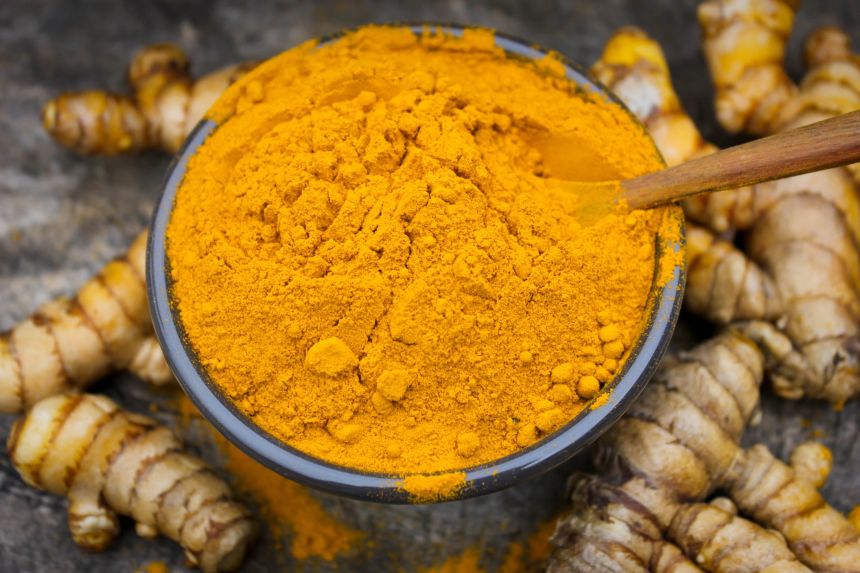
Turmeric is one of the most widely studied medicinal spices in the world. Known for its vibrant golden-yellow color and distinctive flavor, turmeric has been used for thousands of years in traditional medicine systems, particularly in Asia. In recent decades, modern scientific research has increasingly focused on turmeric’s potential role in promoting health, preventing chronic diseases, and supporting overall well-being.
The growing popularity of turmeric is largely due to its primary active compound, curcumin, a natural polyphenol known for its powerful anti-inflammatory and antioxidant properties. Researchers have investigated curcumin for its potential effects on conditions ranging from arthritis and cardiovascular disease to cognitive decline and metabolic disorders.
Although turmeric is often promoted as a “superfood,” understanding what science actually says about its benefits is important. While some claims are strongly supported by research, others require further investigation. This article provides an evidence-based examination of turmeric health benefits, nutritional value, medicinal applications, scientific findings, safety considerations, and practical ways to incorporate it into a healthy lifestyle.
What Is Turmeric?
Turmeric is derived from the underground stem, or rhizome, of the plant Curcuma longa, a member of the ginger family. Native to South Asia, turmeric has been used for centuries as a culinary spice, food coloring agent, and medicinal herb.
Early Signs and Symptoms of Pregnancy: What to Expect in the First Weeks
Traditionally, turmeric has played a central role in systems of medicine such as Ayurveda and Traditional Chinese Medicine. It has been used to support digestion, wound healing, liver health, and immune function.
Today, turmeric is available in several forms:
- Fresh turmeric root
- Dried turmeric powder
- Turmeric tea
- Capsules and supplements
- Curcumin extracts
- Functional foods and beverages
The majority of turmeric’s health-promoting effects are attributed to curcumin and related compounds known as curcuminoids.
Nutritional Profile of Turmeric
Although turmeric is typically consumed in small amounts, it contains a variety of beneficial nutrients and plant compounds.
Turmeric provides:
- Dietary fiber
- Iron
- Potassium
- Manganese
- Vitamin B6
- Copper
More importantly, turmeric contains bioactive compounds including:
- Curcumin
- Demethoxycurcumin
- Bisdemethoxycurcumin
- Turmerones
- Essential oils
These compounds contribute to turmeric’s antioxidant and anti-inflammatory effects.
Top Vitamins for Hormonal Balance in Women: Science-Backed Nutrients for Optimal Health
One challenge, however, is that curcumin is naturally present in relatively small amounts and is poorly absorbed by the body. This is why many studies use concentrated curcumin extracts rather than culinary turmeric alone.
The Science Behind Turmeric’s Health Benefits
To understand turmeric’s benefits, it is necessary to understand inflammation and oxidative stress.
Inflammation is a normal immune response that helps the body heal from injury and infection. However, chronic inflammation can contribute to many diseases, including:
- Heart disease
- Type 2 diabetes
- Arthritis
- Alzheimer’s disease
- Certain cancers
Similarly, oxidative stress occurs when harmful molecules called free radicals accumulate faster than the body’s antioxidant defenses can neutralize them.
Curcumin appears to influence numerous biological pathways involved in both inflammation and oxidative stress. Research suggests it can modulate inflammatory signaling molecules and enhance the body’s natural antioxidant systems. According to research published in PubMed, curcumin demonstrates significant anti-inflammatory activity and may help reduce inflammatory markers associated with chronic disease.
These mechanisms form the foundation for many of turmeric’s potential health benefits.
Turmeric and Inflammation Reduction
One of the most extensively studied benefits of turmeric is its ability to help regulate inflammation.
Chronic low-grade inflammation is now recognized as a major contributor to numerous modern diseases. Scientists have found that curcumin may interact with multiple inflammatory pathways throughout the body.
Research suggests that curcumin may inhibit inflammatory compounds that contribute to tissue damage and disease progression. This has led researchers to investigate its use as a complementary approach for inflammatory conditions.
Best Natural Remedies for Hot Flashes: How to Find Relief Naturally
Unlike pharmaceutical anti-inflammatory drugs, turmeric works through multiple biological mechanisms simultaneously. While it should not be viewed as a replacement for prescribed medications, its broad anti-inflammatory actions make it an intriguing area of scientific interest.
Several clinical trials have demonstrated reductions in inflammatory biomarkers following curcumin supplementation, supporting its potential role in managing chronic inflammation.
Turmeric for Joint Health and Arthritis
Joint pain and arthritis are among the conditions for which turmeric has received the strongest scientific support.
Osteoarthritis is characterized by cartilage degeneration, inflammation, stiffness, and pain. Because inflammation plays a significant role in disease progression, researchers have investigated whether curcumin may help improve symptoms.
A randomized clinical trial published on PubMed found that curcumin supplementation significantly reduced knee pain and improved physical function in individuals with knee osteoarthritis compared with placebo.
Another randomized clinical trial reported improvements in osteoarthritis symptoms among participants receiving nanocurcumin supplementation.
Furthermore, a systematic review and meta-analysis concluded that turmeric extracts and curcumin may provide meaningful improvements in arthritis-related symptoms.
These findings suggest that turmeric may be particularly beneficial for individuals seeking natural approaches to support joint comfort and mobility.
Polycystic Ovary Syndrome (PCOS) and Infertility: Causes, Symptoms, and Treatment
Turmeric and Antioxidant Protection
Oxidative stress contributes to cellular aging and the development of chronic diseases.
Curcumin acts as a powerful antioxidant in two important ways.
First, it can directly neutralize free radicals before they damage cells.
Second, it stimulates the body’s own antioxidant defense systems, enhancing the activity of protective enzymes.
This dual mechanism makes turmeric unique among many dietary antioxidants.
Research indicates that curcumin may help reduce oxidative damage associated with aging, inflammation, and chronic disease processes. By supporting cellular defense mechanisms, turmeric may contribute to long-term health maintenance and healthy aging.
Turmeric and Heart Health
Cardiovascular disease remains the leading cause of death worldwide. Researchers have therefore explored whether turmeric may support cardiovascular health through its anti-inflammatory and antioxidant actions.
Inflammation and oxidative stress contribute significantly to the development of atherosclerosis, a condition involving plaque buildup within arteries.
Cinnamon Health Benefits: Nutrition and Medicinal Uses
Studies suggest curcumin may support heart health by:
- Improving endothelial function, which helps blood vessels dilate properly.
- Reducing oxidative damage to blood vessels.
- Supporting healthy inflammatory responses.
- Potentially improving certain blood lipid markers.
Emerging evidence indicates that curcumin may positively influence cardiovascular risk factors, although more large-scale clinical trials are needed before definitive conclusions can be drawn. While turmeric should not replace proven cardiovascular treatments, incorporating it into a balanced diet may support overall heart health.
Turmeric and Brain Health
Interest in turmeric’s effects on brain health has increased dramatically over the past decade.
Researchers have identified several mechanisms through which curcumin may support neurological function.
Chronic inflammation and oxidative stress are believed to contribute to age-related cognitive decline and neurodegenerative diseases. Because curcumin can influence both processes, scientists have investigated its potential neuroprotective effects.
Some studies suggest curcumin may help support:
- Memory function
- Cognitive performance
- Mood regulation
- Healthy brain aging
Researchers are particularly interested in curcumin’s ability to cross the blood-brain barrier, allowing it to directly interact with brain tissues. Although findings remain promising, larger long-term human studies are still needed to confirm the extent of turmeric’s cognitive benefits.
Turmeric and Digestive Health
Turmeric has a long history of use as a digestive remedy.
Traditionally, it has been used to support digestion, reduce bloating, and promote gastrointestinal comfort.
Modern research suggests that turmeric may influence digestive health through several mechanisms.
Its anti-inflammatory properties may help maintain the health of the digestive tract.
Natural Ways to Regulate Irregular Periods: Strategies for Hormonal Balance
Additionally, turmeric may stimulate bile production, which assists in fat digestion and nutrient absorption.
Researchers have also explored its potential role in supporting individuals with inflammatory bowel conditions, though further studies are needed before firm recommendations can be made.
For many people, incorporating turmeric into meals may contribute to digestive wellness while adding flavor and nutritional value.
Turmeric and Metabolic Health
Metabolic disorders such as obesity, insulin resistance, and type 2 diabetes are often associated with chronic inflammation.
Scientists have investigated whether curcumin’s anti-inflammatory effects might support metabolic health.
Some research suggests turmeric may help:
- Improve insulin sensitivity
- Reduce inflammatory markers
- Support healthy lipid metabolism
- Combat oxidative stress associated with metabolic disease
While results are encouraging, turmeric should be viewed as one component of a broader healthy lifestyle that includes proper nutrition, physical activity, and medical care when needed.
Turmeric and Immune Function
The immune system relies on a delicate balance between activation and regulation.
Curcumin appears to influence various immune pathways involved in maintaining this balance.
Rather than simply stimulating immune activity, turmeric may help support healthy immune regulation.
Its antioxidant and anti-inflammatory properties can contribute to a healthier internal environment, potentially helping the body respond appropriately to stressors and infections.
Research in this area continues to evolve, but current findings suggest turmeric may support overall immune resilience as part of a healthy dietary pattern.
Best Foods for a Healthy Pregnancy: Complete Guide to Nutrition, and Safe Eating
Can Turmeric Help Prevent Cancer?
Cancer prevention is one of the most discussed yet misunderstood areas of turmeric research.
Laboratory studies have shown that curcumin can influence numerous cellular processes involved in cancer development.
Researchers have observed effects on:
- Cell signaling
- Inflammation
- Oxidative stress
- Cell growth regulation
- Apoptosis (programmed cell death)
However, it is important to emphasize that laboratory findings do not automatically translate into clinical outcomes in humans.
Currently, there is insufficient evidence to conclude that turmeric prevents or treats cancer in humans. Nevertheless, ongoing research continues to investigate its potential role as a supportive component in cancer prevention strategies.
Turmeric Supplements vs. Culinary Turmeric
Many people wonder whether cooking with turmeric provides the same benefits as taking supplements.
The answer depends on the goal.
Culinary turmeric offers a broad range of beneficial compounds and can be a healthy addition to the diet. However, the concentration of curcumin is relatively low.
Supplements often contain standardized extracts that provide significantly higher amounts of curcumin. One major challenge is bioavailability. Curcumin is poorly absorbed when consumed alone.
Absorption can be enhanced by:
- Combining turmeric with black pepper (piperine)
- Consuming turmeric with healthy fats
- Using specialized supplement formulations
Research indicates that piperine can substantially improve curcumin absorption, making turmeric-containing meals more effective.
Clove Health Benefits: Nutrition and Medicinal Uses
Potential Side Effects and Safety Considerations
Turmeric is generally considered safe when consumed as a food.
However, high-dose supplements may cause side effects in some individuals, including:
- Digestive discomfort
- Nausea
- Diarrhea
- Headaches
- Turmeric supplements may also interact with certain medications, particularly:
- Blood thinners
- Diabetes medications
- Some chemotherapy drugs
Individuals with gallbladder disease or those preparing for surgery should consult a healthcare professional before using concentrated turmeric supplements. Research and expert guidance emphasize caution regarding supplement interactions despite turmeric’s generally favorable safety profile.
How to Add More Turmeric to Your Diet
Turmeric is versatile and easy to incorporate into daily meals.
It can be added to soups, stews, curries, rice dishes, smoothies, teas, and roasted vegetables.
Combining turmeric with black pepper and healthy fats such as olive oil or coconut milk may help improve absorption.
Regular dietary use offers a practical way to enjoy turmeric’s flavor and potential health benefits without relying solely on supplements.
Ginger Health Benefits: Nutrition, Medicinal Uses, and Scientific Evidence
Frequently Asked Questions (FAQs)
Is turmeric the same as curcumin?
No. Turmeric is the whole spice derived from the Curcuma longa plant. Curcumin is one of the primary active compounds found within turmeric and is largely responsible for many of its studied health effects.
How long does it take for turmeric to work?
The timeline varies depending on the purpose and dosage. Studies involving joint health often report noticeable improvements after several weeks of consistent use.
Can turmeric reduce inflammation?
Research suggests that curcumin possesses significant anti-inflammatory properties and may help reduce inflammatory markers in the body.
Is turmeric safe to take every day?
For most healthy individuals, culinary turmeric is safe for daily use. High-dose supplements should be discussed with a healthcare provider, especially if medications or medical conditions are involved.
Does turmeric help with arthritis?
Evidence from multiple clinical trials and systematic reviews suggests that turmeric and curcumin may help reduce pain and improve function in individuals with osteoarthritis.
Garlic Health Benefits: Nutrition, Medicinal Uses, and Scientific Evidence
Early Signs of Menopause Most Women Ignore: Symptoms, Causes, and When to Seek Help