

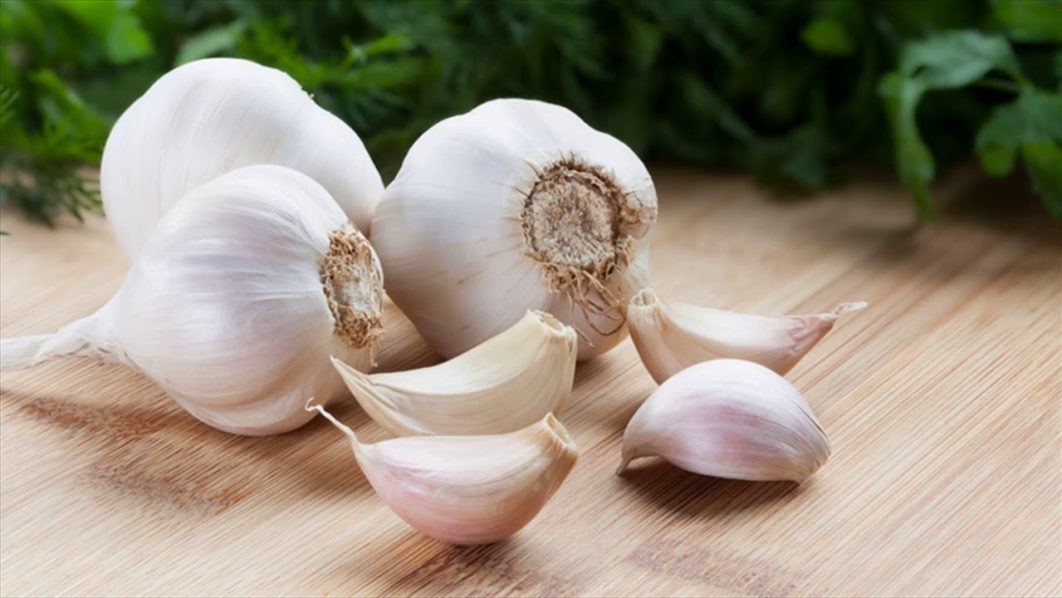
For thousands of years, garlic has been valued not only as a culinary ingredient but also as one of the world’s most respected medicinal plants. From ancient Egyptian civilizations to traditional Chinese and Ayurvedic medicine, garlic has earned a reputation for promoting health, fighting disease, and supporting longevity. Today, modern scientific research continues to investigate the remarkable health properties of garlic, revealing that many of its traditional uses may have a strong biological foundation.
Garlic (Allium sativum) belongs to the onion family and contains a unique combination of sulfur-containing compounds, antioxidants, vitamins, and minerals that contribute to its medicinal effects. While its distinctive aroma and flavor make it a staple ingredient in kitchens worldwide, its potential health benefits extend far beyond cooking.
Research suggests that garlic may help support cardiovascular health, strengthen immune function, reduce blood pressure, improve cholesterol levels, and provide antioxidant protection against cellular damage. Some studies have even explored its potential role in reducing the risk of certain chronic diseases, including cancer and neurodegenerative conditions.
Turmeric Health Benefits: Nutrition, Medicinal Uses, and Scientific Evidence
What Is Garlic?
Garlic is a bulbous plant belonging to the Allium genus, which also includes onions, shallots, leeks, and chives. It is native to Central Asia but is now cultivated and consumed worldwide.
The garlic bulb consists of multiple cloves enclosed within a papery outer skin. When garlic is chopped, crushed, or chewed, it releases biologically active compounds that are largely responsible for its health-promoting effects.
One of the most important compounds is allicin, which forms when the enzyme alliinase converts alliin into allicin after the garlic clove is damaged. According to research published in the National Center for Biotechnology Information (NCBI), allicin is responsible for many of garlic’s antimicrobial, antioxidant, and cardiovascular effects.
The concentration of beneficial compounds varies depending on how garlic is prepared, cooked, and stored.
Nutritional Value of Garlic
Although garlic is typically consumed in relatively small quantities, it contains a surprisingly rich array of nutrients.
A single clove of garlic provides small amounts of:
- Vitamin C
- Vitamin B6
- Manganese
- Selenium
- Calcium
- Potassium
- Iron
- Phosphorus
Garlic also contains numerous plant compounds with biological activity, including:
- Allicin
- Diallyl sulfide
- Diallyl disulfide
- S-allyl cysteine
- Flavonoids
- Polyphenols
These compounds contribute to garlic’s antioxidant, anti-inflammatory, and antimicrobial properties.
Early Signs and Symptoms of Pregnancy: What to Expect in the First Weeks
According to the United States Department of Agriculture (USDA), garlic is low in calories while providing significant phytochemical benefits relative to its serving size.
The Powerful Medicinal Compounds Found in Garlic
What makes garlic unique is not necessarily its vitamin content but its rich concentration of sulfur-containing compounds. When garlic is crushed or chopped, allicin is rapidly formed. Although allicin is relatively unstable, it breaks down into other sulfur compounds that continue to exert biological effects throughout the body.
Garlic-derived sulfur compounds may influence several physiological processes, including blood pressure regulation, immune function, inflammation control, and antioxidant defense systems.
Scientists believe these compounds are largely responsible for many of garlic’s reported health benefits.
Garlic May Support Heart Health
Cardiovascular disease remains one of the leading causes of death worldwide. For this reason, researchers have extensively studied the potential role of garlic in protecting heart health.
Several mechanisms may explain garlic’s cardiovascular benefits. Garlic appears to support healthy blood vessel function, reduce oxidative stress, improve circulation, and help regulate cholesterol levels. By targeting several risk factors simultaneously, garlic may contribute to overall cardiovascular wellness when combined with a healthy diet and lifestyle.
Garlic May Help Lower Blood Pressure
High blood pressure, or hypertension, significantly increases the risk of heart disease, stroke, and kidney disease. Growing evidence suggests that garlic may help support healthy blood pressure levels. Researchers believe garlic enhances the production of nitric oxide, a molecule that helps blood vessels relax and widen. Improved blood vessel relaxation can lead to lower blood pressure and better circulation.
Research published in Integrated Blood Pressure Control shows garlic supplementation demonstrated significant blood pressure-lowering effects in individuals with hypertension.
Top Vitamins for Hormonal Balance in Women: Science-Backed Nutrients for Optimal Health
While garlic should never replace prescribed medications, it may serve as a useful complementary dietary strategy under medical supervision.
Garlic May Improve Cholesterol Levels
Elevated cholesterol levels are a major contributor to cardiovascular disease. Numerous studies have examined whether garlic can positively influence cholesterol profiles.
Research suggests garlic may help reduce total cholesterol and low-density lipoprotein (LDL) cholesterol, often referred to as “bad cholesterol.” Some studies also indicate modest improvements in triglyceride levels. Although results vary among studies, the overall evidence suggests garlic may contribute to healthier lipid profiles.
Garlic Strengthens the Immune System
One of the oldest traditional uses of garlic involves supporting the body’s natural defense system against infections.
Modern research indicates that garlic possesses antimicrobial, antiviral, antifungal, and immune-modulating properties. Garlic compounds appear to enhance the activity of various immune cells involved in protecting the body from harmful pathogens.
While garlic is not a cure for infections, it may help support immune resilience and overall immune function.
Garlic Provides Powerful Antioxidant Protection
Oxidative stress occurs when harmful molecules known as free radicals overwhelm the body’s antioxidant defenses. Over time, oxidative stress contributes to aging and the development of chronic diseases. Garlic contains numerous antioxidant compounds capable of neutralizing free radicals and reducing cellular damage.
These antioxidant effects may partly explain garlic’s association with reduced chronic disease risk.
Garlic May Help Reduce Inflammation
Chronic inflammation is increasingly recognized as a major factor in the development of many diseases, including heart disease, diabetes, arthritis, and certain cancers.
Best Natural Remedies for Hot Flashes: How to Find Relief Naturally
Several garlic-derived compounds exhibit anti-inflammatory properties by influencing pathways involved in inflammatory responses. Research has shown that garlic may help reduce the production of pro-inflammatory molecules while supporting the body’s natural mechanisms for controlling inflammation.
Garlic and Blood Sugar Control
Maintaining healthy blood sugar levels is essential for preventing complications associated with diabetes and metabolic syndrome.
Some research suggests garlic may improve insulin sensitivity and support blood glucose regulation. Animal and human studies have reported modest improvements in fasting blood sugar levels among individuals consuming garlic regularly.
According to research published in Food and Chemical Toxicology, garlic supplementation demonstrated potential benefits in glucose metabolism and insulin function.
While garlic should not replace standard diabetes treatments, it may complement broader dietary strategies aimed at metabolic health.
Garlic May Have Potential Cancer-Protective Properties
Researchers have long been interested in the relationship between garlic consumption and cancer prevention. Garlic contains sulfur compounds that may help reduce oxidative damage, support detoxification processes, and influence mechanisms involved in abnormal cell growth.
Best Foods for a Healthy Pregnancy: Complete Guide to Nutrition, and Safe Eating
The National Cancer Institute notes that garlic consumption has been associated with lower risks of certain gastrointestinal cancers in some observational studies. However, while findings are promising, more research is needed before definitive conclusions can be made regarding cancer prevention.
Garlic May Support Brain Health
As populations age, protecting cognitive function has become an important area of scientific research. Garlic’s antioxidant and anti-inflammatory properties may help protect brain cells from oxidative stress and inflammation, both of which are implicated in age-related cognitive decline.
Preliminary research suggests garlic-derived compounds may have neuroprotective effects, although much of the current evidence comes from laboratory and animal studies. Scientists continue investigating whether regular garlic consumption may contribute to long-term brain health and healthy aging.
Garlic May Support Bone Health
Emerging evidence suggests garlic may also play a role in maintaining bone health, particularly among women. Some studies indicate that garlic compounds may influence estrogen-related pathways and reduce bone loss associated with aging.
Research published in Phytotherapy Research suggests garlic supplementation may positively affect markers associated with bone metabolism, although further studies are required to confirm these effects in larger populations.
Polycystic Ovary Syndrome (PCOS) and Infertility: Causes, Symptoms, and Treatment
Given the importance of bone health during aging, this area remains an active field of investigation.
Is Raw Garlic Better Than Cooked Garlic?
One of the most common questions surrounding garlic concerns preparation methods.
Raw garlic generally preserves higher levels of allicin because heat can partially degrade some active compounds. However, cooked garlic still retains many beneficial sulfur compounds and antioxidants.
Some experts recommend allowing chopped or crushed garlic to rest for approximately 10 minutes before cooking. This resting period allows more allicin to form before heat exposure.
Both raw and cooked garlic can be valuable additions to a healthy diet, and the best choice often depends on personal preference and digestive tolerance.
How Much Garlic Should You Eat?
There is no universally recommended daily intake for garlic.
Many studies investigating health benefits use the equivalent of:
- One to two fresh garlic cloves daily
- Standardized garlic extracts
- Aged garlic supplements
Moderate consumption is generally considered safe for most healthy adults.
Individuals considering garlic supplements should consult a healthcare professional, particularly if they have underlying medical conditions.
Cinnamon Health Benefits: Nutrition and Medicinal Uses
Possible Side Effects and Precautions
Although garlic is safe for most people when consumed as food, excessive intake may cause side effects. Some individuals experience:
- Bad breath
- Body odor
- Heartburn
- Digestive discomfort
- Nausea
- Bloating
Garlic may also affect blood clotting. According to the National Center for Complementary and Integrative Health (NCCIH), individuals taking blood-thinning medications or preparing for surgery should consult their healthcare provider regarding garlic supplementation.
Frequently Asked Questions (FAQs)
What are the main health benefits of garlic?
Garlic may support heart health, improve blood pressure, strengthen immune function, provide antioxidant protection, and contribute to healthy cholesterol levels.
Is it better to eat garlic raw or cooked?
Raw garlic generally contains higher levels of allicin, but cooked garlic still provides beneficial compounds and health-promoting properties.
Natural Ways to Regulate Irregular Periods: Strategies for Hormonal Balance
Can garlic help lower blood pressure?
Research suggests garlic supplementation may help reduce blood pressure, particularly among individuals with hypertension.
Does garlic boost the immune system?
Yes. Studies indicate that garlic possesses immune-supportive properties and may help reduce the frequency of common infections.
How much garlic should I eat daily?
Many studies use the equivalent of one to two cloves of fresh garlic daily, although individual needs and tolerances vary.
Clove Health Benefits: Nutrition and Medicinal Uses
Ginger Health Benefits: Nutrition, Medicinal Uses, and Scientific Evidence
Early Signs of Menopause Most Women Ignore: Symptoms, Causes, and When to Seek Help