

Angina is a common yet serious condition that affects millions of people worldwide, often serving as a warning sign of underlying heart issues. Also known as angina pectoris, Angina is a type of chest pain or discomfort that occurs when the heart muscle does not receive enough oxygen-rich blood. It is not a disease itself but rather a symptom of an underlying heart problem, most commonly coronary artery disease (CAD). According to the Mayo Clinic, angina is often described as a squeezing, pressure, heaviness, tightness, or pain in the chest, which may feel like a heavy weight lying on it. This reduced blood flow, known as ischemia, happens when the heart’s demand for oxygen exceeds the supply.
The condition is relatively common, affecting approximately 11 million people in the United States alone, as noted by the Cleveland Clinic. It can range from mild discomfort to severe pain and may come and go, but it is crucial not to ignore it, as it could signal a higher risk of heart attack or other complications. The National Heart, Lung, and Blood Institute (NHLBI) emphasizes that angina is a warning sign that you are at increased risk for a heart attack.
In essence, angina acts as your body’s alarm system, alerting you to potential blockages or spasms in the coronary arteries that supply blood to the heart. Early recognition and management are key to preventing more severe cardiac events.
Breast Cancer Symptoms, Screening, and Treatment: A Complete Guide
Types of Angina
Angina manifests in several forms, each with distinct triggers and implications. Understanding these types can help differentiate between stable patterns and emergencies.
- Stable Angina: This is the most common type, often triggered by physical exertion, emotional stress, cold weather, or heavy meals. The pain is predictable, lasts about five minutes or less, and typically resolves with rest or medication. According to the American Heart Association, stable angina bouts tend to be alike and may feel like gas or indigestion.
- Unstable Angina: A medical emergency, this type occurs unpredictably, even at rest, and is more severe and prolonged (up to 20 minutes or longer). It does not respond to rest or usual medications and may indicate an impending heart attack. Unstable angina requires immediate treatment to prevent heart muscle damage.
- Variant (Prinzmetal) Angina: Caused by spasms in the coronary arteries rather than blockages, this rare form of angina often occurs at rest or overnight. Pain can be severe but is usually relieved by medication. It typically lasts five to 15 minutes and happens during sleep.
- Microvascular Angina: This affects the tiny blood vessels in the heart, leading to prolonged chest tightness (15 minutes or more). This is more common in women and can be challenging to diagnose.
- Refractory Angina: Occurs frequently despite medications and lifestyle changes, thus, requiring advanced interventions.
Causes of Angina
At its core, angina results from an imbalance between the heart’s oxygen demand and supply. The primary culprit is reduced blood flow to the heart muscle, often due to narrowed or blocked coronary arteries.
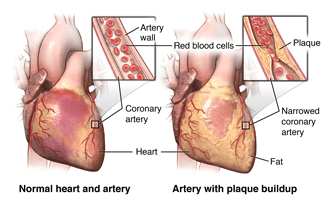
The most common cause is coronary artery disease (CAD), where fatty deposits called plaques build up inside the arteries, a process known as atherosclerosis. These plaques can rupture, forming blood clots that further obstruct blood flow. According to the Mayo Clinic, when the heart muscle is not getting enough oxygen, it causes ischemia, leading to angina symptoms. During rest, the heart may function adequately, but activities like exercise increase oxygen demand, triggering pain.
Other causes include:
- Coronary artery spasms, which temporarily tighten the arteries (seen in variant angina).
- Coronary microvascular disease, affecting smaller heart vessels.
- Severe anemia, reducing oxygen-carrying capacity in the blood.
- Heart conditions like valve disease, heart failure, or hypertrophic cardiomyopathy.
The NHLBI states that angina occurs when arteries become partially or totally blocked due to coronary heart disease. External factors like cold temperatures, emotional stress, or drug misuse (e.g., cocaine) can also provoke episodes by constricting blood vessels.
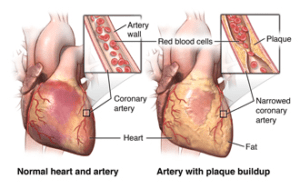
The above illustration shows how plaque buildup in coronary arteries leads to reduced blood flow, a key cause of angina.
Ear Infections: Causes, Symptoms, Diagnosis & Treatment Options
Risk Factors for Angina
Certain factors increase your likelihood of developing angina, many of which overlap with those for heart disease. Identifying and addressing these can help prevent or manage the condition.
Key risk factors include:
- Age: More common in adults over 60, with men at risk after 45 and women after 55 (Cleveland Clinic).
- Family History: A genetic predisposition if close relatives have heart disease.
- Tobacco Use: Smoking damages artery linings, promoting plaque buildup (Mayo Clinic).
- Diabetes and High Blood Pressure: These accelerate artery hardening.
- High Cholesterol or Triglycerides: Contribute to artery narrowing.
- Obesity and Sedentary Lifestyle: Increase strain on the heart.
- Stress and Other Conditions: Chronic stress, kidney disease, or metabolic syndrome heighten risks.
By managing these modifiable risks through lifestyle changes, you can significantly lower your chances of angina episodes.
Symptoms of Angina
Recognizing angina symptoms early can be lifesaving. The hallmark is chest pain or discomfort, but manifestations vary.
Common symptoms include:
- Pressure, squeezing, fullness, or burning in the chest.
- Pain radiating to the arms, neck, jaw, shoulders, back, or even teeth.
- Shortness of breath, dizziness, fatigue, nausea, sweating, or a sense of impending doom.
Symptoms may differ in women, often presenting as neck/jaw discomfort, nausea, or stabbing pain rather than classic chest pressure. Stable angina is predictable, while unstable is sudden and intense.
If symptoms worsen or occur at rest, seek immediate medical attention, as they could indicate a heart attack.
Diagnosis of Angina
Diagnosing angina involves a thorough evaluation to rule out other causes and identify the underlying issue. Your healthcare provider will start with a physical exam, symptom review, and medical history.
Common diagnostic tests include:
- Electrocardiogram (ECG): Measures heart electrical activity to detect irregularities.
- Stress Test: Monitors heart function during exercise or simulated stress.
- Echocardiogram: Uses ultrasound for heart images.
- Blood Tests: Check for enzymes indicating heart damage.
- Coronary Angiogram: Involves dye and X-rays to visualize artery blockages.
- Nuclear Stress Test or Cardiac CT/MRI: Provide detailed blood flow images.
These tests help determine if symptoms are due to stable or unstable angina.
Treatment Options for Angina
Treatment aims to relieve symptoms, improve blood flow, and reduce heart attack risk. It combines lifestyle modifications, medications, and procedures.
Endometriosis: Causes, Symptoms, Diagnosis & Treatment Options
Lifestyle Changes
Fundamental to management, these include:
- Quitting smoking: Quitting smoking is the most important thing you can do to improve heart health.
- Healthy diet: Focus on fruits, vegetables, whole grains, and lean proteins; limit fats, salt, and sugar.
- Regular exercise: Aim for 30 minutes of moderate activity most days.
- Weight management, stress reduction, and controlling conditions like diabetes.
Medications
- Nitrates (e.g., Nitroglycerin): Relax blood vessels for quick relief.
- Beta-Blockers and Calcium Channel Blockers: Lower heart rate and blood pressure.
- Statins: Reduce cholesterol to prevent plaque buildup.
- Antiplatelet Drugs (e.g., Aspirin): Prevent clots.
- Ranolazine: For chronic cases not responding to others (American Heart Association).
Procedures and Therapies
- Angioplasty with Stenting: Widens arteries using a balloon and mesh tube.
- Coronary Artery Bypass Grafting (CABG): Bypasses blockages with vessels from elsewhere.
- Enhanced External Counterpulsation (EECP): Non-invasive therapy to boost blood flow.
The Cleveland Clinic notes that procedures like stenting are used for blocked arteries. For refractory angina, advanced options may be necessary.
Prevention and Living with Angina
Preventing angina involves heart-healthy habits: regular check-ups, balanced diet, exercise, and avoiding triggers like smoking or extreme cold. The NHLBI recommends cardiac rehabilitation for living with angina, including supervised exercise and education.
Diabetic Retinopathy: Causes, Symptoms, Diagnosis & Treatment Options
Track episodes in a log, carry nitroglycerin, and manage stress through mindfulness. With proper care, many people lead active lives.
Angina is a critical signal from your heart that should not be overlooked. By understanding its causes, recognizing symptoms, and exploring treatment options, you can take control of your heart health. Consult a healthcare professional for personalized advice, and remember, lifestyle changes often make the biggest difference.
Diabetes Mellitus: Types, Causes, Symptoms & Effective Treatment Options