

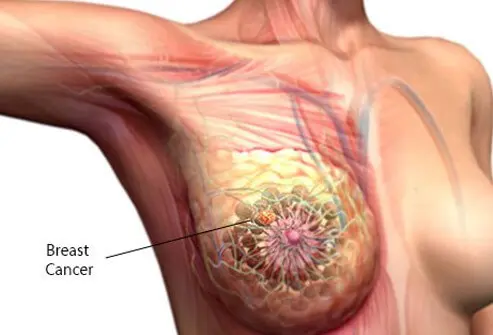
Breast cancer remains one of the most prevalent cancers worldwide, affecting millions of women globally. With early detection playing a pivotal role in survival rates, understanding breast cancer can empower you to take proactive steps for your health. According to the American Cancer Society, in 2025, approximately 316,950 new cases of invasive breast cancer will be diagnosed in women in the United States. This guide draws on the latest insights to help you navigate this complex topic.
What is Breast Cancer?
Breast cancer occurs when cells in the breast mutate and grow uncontrollably, often invading surrounding tissues and forming a tumor that can often be felt as a lump or seen on imaging. It typically starts in the milk ducts (ductal carcinoma) or lobules (lobular carcinoma) but can spread to other parts of the body if not treated early. Globally, breast cancer is the most common cancer among women, with the World Health Organization reporting that it accounts for a significant portion of cancer-related deaths. Early-stage breast cancer is highly treatable, with five-year survival rates exceeding 90% for localized disease.
Types of Breast Cancer
Breast cancer is not a single disease; it encompasses several types based on where it originates and its characteristics.
- Ductal Carcinoma In Situ (DCIS): Non-invasive, confined to the milk ducts. It’s often detected via screening and has an excellent prognosis if treated.
- Invasive Ductal Carcinoma (IDC): The most common type, starting in the ducts and invading nearby tissues. The Cleveland Clinic notes that IDC accounts for about 80% of invasive breast cancers.
- Invasive Lobular Carcinoma (ILC): Begins in the lobules and spreads, often harder to detect on mammograms.
- Triple-Negative Breast Cancer (TNBC): Lacks estrogen, progesterone, and HER2 receptors, making it aggressive but responsive to chemotherapy.
- HER2-Positive Breast Cancer: Overexpresses the HER2 protein, treatable with targeted therapies.
- Inflammatory Breast Cancer: Rare and aggressive, causing skin redness and swelling
Ear Infections: Causes, Symptoms, Diagnosis & Treatment Options
Other subtypes include hormone receptor-positive cancers, which respond to hormonal therapies. The Memorial Sloan Kettering Cancer Center highlights that understanding the type guides personalized treatment.
Causes and Risk Factors of Breast Cancer
While the exact cause of breast cancer is unknown, it is linked to genetic mutations and environmental factors.
Key risk factors include:
- Age: Most cases occur in women over 50.
- Genetics: Mutations in BRCA1 and BRCA2 genes increase risk significantly. Family history of breast or ovarian cancer is a major factor.
- Hormonal Factors: Early menstruation (before 12), late menopause (after 55), or hormone replacement therapy.
- Lifestyle: Obesity, alcohol use, lack of physical activity, and dense breast tissue.
- Reproductive History: Never having children or first pregnancy after 30.
- Previous Breast Conditions: History of benign breast diseases or prior breast cancer.
While some risks are unavoidable, lifestyle modifications can reduce chances.
Symptoms of Breast Cancer
Recognizing breast cancer symptoms early can lead to better outcomes. Common signs include a new lump or mass in the breast or underarm, often painless but sometimes tender. Other symptoms include breast thickening, dimpling (like orange peel), nipple inversion, or discharge other than milk.
Other indicators:
- Changes in breast size, shape, or appearance.
- Redness, rash, or flaky skin around the nipple.
- Persistent pain in one area.
- Swelling in the armpit or collarbone.
In advanced stages, symptoms may include bone pain, shortness of breath, or jaundice if metastasized. Inflammatory breast cancer presents with rapid swelling and redness. Not all lumps are cancerous, many are benign, but any change warrants medical evaluation.
Endometriosis: Causes, Symptoms, Diagnosis & Treatment Options
Screening and Diagnosis for Breast Cancer
Screening is essential for detecting breast cancer before symptoms appear, improving survival rates. The American Cancer Society recommends women aged 40-44 have the option to start annual mammograms, with those 45-54 screening yearly and 55+ biennially or annually.
Key screening methods:
- Mammography: X-ray imaging to detect tumors.
- Clinical Breast Exam: Performed by a healthcare provider.
- Breast Self-Exam: Monthly self-checks for changes.
- Ultrasound or MRI: For high-risk individuals or dense breasts.
Diagnosis involves biopsy to confirm cancer, followed by staging.
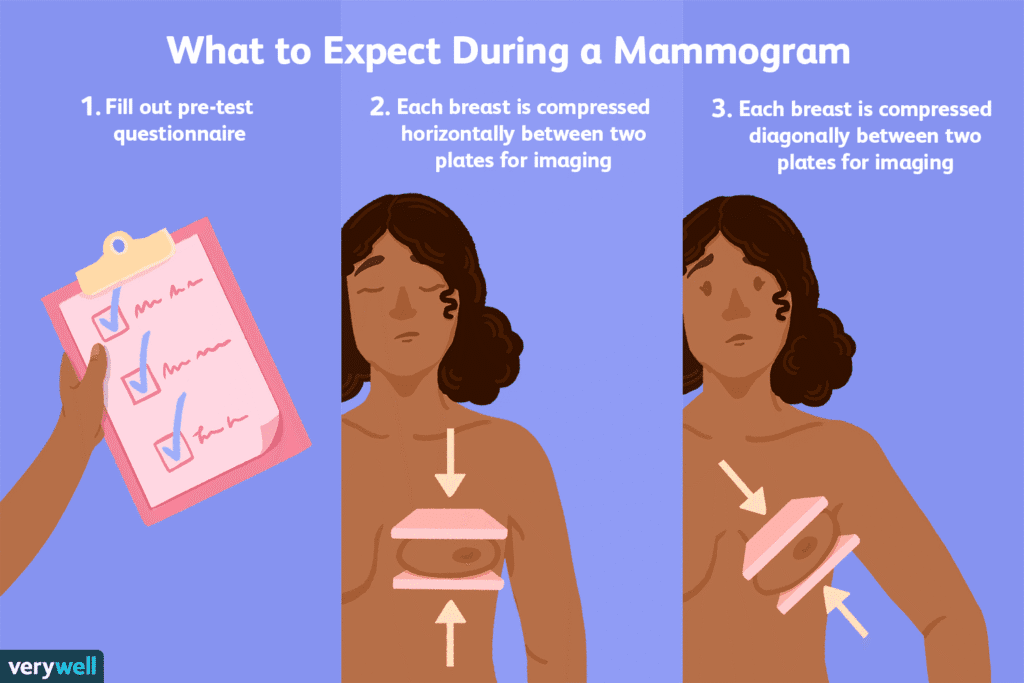
The above image shows the mammogram screening procedure, a key tool for early detection.
Stages of Breast Cancer
Staging determines cancer extent and guides treatment. The National Cancer Institute uses the TNM system (Tumor, Node, Metastasis) for stages 0-IV.
- Stage 0 (DCIS): Non-invasive, excellent prognosis.
- Stage I: Small tumor, no lymph node involvement.
- Stage II: Larger tumor or limited node spread.
- Stage III: Locally advanced, involving more nodes.
- Stage IV: Metastatic, spread to distant organs.
The Facing Our Risk organization notes that stages 0-3 are early-stage and curable. Staging post-surgery provides precise prognostic information.
Treatment Options for Breast Cancer
Treatment is tailored to stage, type, and patient factors. Options include surgery, radiation, chemotherapy, hormone therapy, targeted therapy, and immunotherapy.
- Surgery: Lumpectomy (removes tumor) or mastectomy (removes breast). Sentinel node biopsy checks spread.
- Radiation Therapy: Often post-lumpectomy to destroy remaining cells.
- Chemotherapy: For stages II-IV or high-risk early stages, before/after surgery.
- Hormone Therapy: For HR-positive cancers, like tamoxifen or aromatase inhibitors.
- Targeted Therapy: HER2 inhibitors like trastuzumab for HER2-positive.
- Immunotherapy: For TNBC with PD-L1 expression.
Stages I-III typically involve surgery and adjuvant therapies. For stage IV, focus is on managing symptoms and prolonging life, while stage IIA/IIB, chemotherapy might be needed.
Diabetic Retinopathy: Causes, Symptoms, Diagnosis & Treatment Options
Prevention and Risk Reduction
While not all cases are preventable, lifestyle changes help. The WHO advises maintaining a healthy weight, limiting alcohol, exercising, and breastfeeding. High-risk individuals may consider prophylactic surgery or chemoprevention. Vaccines like HPV reduce related risks, and regular screenings are key.
Breast cancer, with its varied symptoms, screening methods, and treatments, is manageable with awareness and action. Early detection via mammograms and understanding risk factors can save lives.
Diabetes Mellitus: Types, Causes, Symptoms & Effective Treatment Options
Angina: Causes, Symptoms, and Treatment Explained