

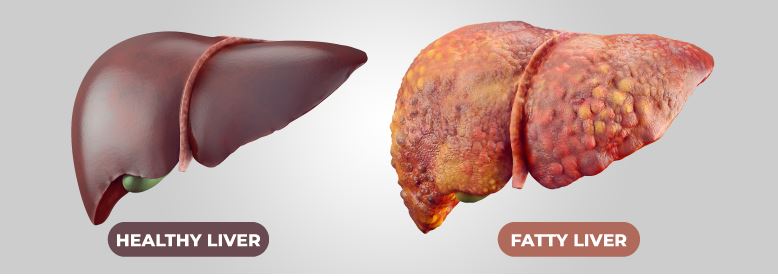
Fatty liver disease, also known as hepatic steatosis, is a condition where excess fat accumulates in the liver cells. This buildup can impair liver function and lead to serious health complications if left unchecked. In recent years, fatty liver disease has become increasingly prevalent, especially in Western countries, due to rising rates of obesity and metabolic disorders. According to experts, it affects a significant portion of the global population and is often linked to lifestyle factors.
The liver is a vital organ responsible for detoxifying the body, metabolizing nutrients, and producing essential proteins. When fat comprises more than 5% of the liver’s weight, it signals the onset of steatosis. This condition can be silent for years, making early detection crucial. Understanding the causes, symptoms, and treatments of fatty liver disease is essential for prevention and management.
Oral Thrush: Causes, Symptoms, Diagnosis & Treatment Options
Fatty liver disease encompasses several subtypes, primarily distinguished by their underlying causes. It is estimated that about 24% of adults in the U.S. have nonalcoholic fatty liver disease (NAFLD), with a smaller percentage progressing to more severe forms.
What is Fatty Liver Disease?
Fatty liver disease refers to the accumulation of fat in the liver that exceeds normal levels. The liver naturally contains some fat, but when it builds up excessively, it can lead to inflammation, scarring, and even liver failure. The condition is broadly categorized into alcohol-related and non-alcohol-related forms.
In medical terms, “steatosis” describes this fat buildup in an organ like the liver. If not addressed, it can progress to more advanced stages, affecting overall health. Fatty liver disease is often asymptomatic in its early phases, which is why it is sometimes called a “silent disease”, as described by the National Institute of Diabetes and Digestive and Kidney Diseases (NIDDK). However, as it advances, it may contribute to other health issues, including cardiovascular problems and diabetes.
The renaming of terms in recent years reflects evolving understanding. For instance, NAFLD is now often referred to as metabolic dysfunction-associated steatotic liver disease (MASLD), and NASH as metabolic dysfunction-associated steatohepatitis (MASH). These changes aim to better highlight the metabolic roots of the condition and reduce stigma associated with alcohol misuse.
Recommended: Cirrhosis: Liver Damage Explained and What You Should Do
Prevalence statistics underscore the urgency: In the United States, MASLD affects approximately 1 in 3 adults, making it one of the most common liver disorders, according to American Liver Foundation. Globally, rates are rising in tandem with obesity epidemics, particularly in Middle Eastern and Western nations, states Mayo Clinic. Awareness is key, as early lifestyle interventions can halt or reverse progression.
Types of Fatty Liver Disease
Fatty liver disease isn’t a one-size-fits-all condition; it includes several types based on etiology and severity.
- Metabolic Dysfunction-Associated Steatotic Liver Disease (MASLD): Formerly known as nonalcoholic fatty liver disease (NAFLD), this type occurs in people who drink little to no alcohol. It involves fat buildup linked to metabolic issues like obesity and insulin resistance. Within MASLD, there’s simple fatty liver (where fat accumulates without inflammation) and the more severe MASH.
- Metabolic Dysfunction-Associated Steatohepatitis (MASH): This is an advanced form of MASLD characterized by inflammation and liver cell damage, in addition to fat accumulation. “If you have NASH, you have inflammation and liver damage, along with fat in your liver” states NIDDK. It can lead to fibrosis, cirrhosis, and liver cancer. About 20% of people with MASLD progress to MASH.
- Alcohol-Related Fatty Liver Disease (ALD): Caused by excessive alcohol consumption, ALD affects around 5% of U.S. residents. It can manifest as an enlarged liver, alcoholic hepatitis, or cirrhosis. Unlike MASLD, stopping alcohol intake can often reverse early stages.
- MASLD and Increased Alcohol Intake (MetALD): A hybrid form involving both metabolic risk factors and moderate to heavy alcohol use.
- Other Forms: These include drug-induced steatosis from medications or cryptogenic cases with no identifiable cause.
Understanding these types helps tailor prevention and treatment strategies. For example, ALD requires alcohol cessation, while MASLD focuses on metabolic health.
Causes and Risk Factors of Fatty Liver Disease
The causes of fatty liver disease vary by type, but common threads include lifestyle, genetics, and metabolic factors.
Canker Sores: Causes, Symptoms, Diagnosis, and Treatment Options
For ALD, the primary cause is “too much alcohol,” with risks amplified by obesity, malnutrition, or chronic hepatitis. Heavy drinking damages liver cells, leading to fat accumulation.
MASLD’s exact cause remains unclear, but it’s strongly associated with metabolic syndrome. Key risk factors include:
- Overweight or obesity
- Insulin resistance
- Type 2 diabetes
- High triglycerides or low HDL cholesterol
- Polycystic ovary syndrome
- Sleep apnea
- Hypothyroidism
Other contributors include rapid weight loss, toxin exposure, and certain medications. In MASH, inflammation stems from these factors, potentially progressing to scarring.
A high intake of fructose can also lead to liver fat buildup and related issues like increased bad cholesterol.
Genetic predispositions play a role, as some develop the condition without obvious risks. Environmental factors, such as diet high in processed foods, exacerbate the problem. Recognizing these causes is vital for early intervention, as fatty liver disease is reversible in many cases.
Symptoms of Fatty Liver Disease
One of the challenges with fatty liver disease is its often asymptomatic nature, especially in early stages. Usually, nonalcoholic fatty liver disease (NAFLD) is a silent disease with few or no symptoms.
When symptoms do appear, they may include:
- Fatigue or general malaise
- Pain or discomfort in the upper right abdomen
- Loss of appetite or unexplained weight loss
In advanced stages like MASH or cirrhosis, symptoms become more pronounced:
- Abdominal swelling (ascites)
- Shortness of breath
- Leg swelling
- Itchy skin
- Jaundice (yellowing of skin and eyes)
- Spider-like blood vessels on the skin
- Enlarged spleen
- Red palms
Since symptoms are nonspecific, many discover the condition incidentally during routine checkups. Persistent fatigue or abdominal pain warrants medical attention, as early detection prevents progression to liver failure or cancer. In rare cases, advanced disease leads to severe complications like hepatic encephalopathy, causing confusion. Monitoring for these signs is crucial, particularly for at-risk individuals.
Fibromyalgia: Causes, Symptoms, and Treatments
Diagnosis of Fatty Liver Disease
Diagnosing fatty liver disease involves a multi-step approach, as it is not always straightforward due to the lack of early symptoms.
Doctors start with a medical history and physical exam, assessing alcohol use, diet, and risk factors like obesity.
Blood tests are common, including:
- Liver function tests (elevated enzymes indicate damage)
- Lipid profiles for cholesterol and triglycerides
- Hemoglobin A1c for diabetes
- Tests for hepatitis or other conditions
If your liver is damaged, the level of these enzymes will be higher than normal.
Imaging plays a key role:
- Ultrasound: Detects fat buildup
- CT or MRI scans: Provide detailed views
- FibroScan or magnetic resonance elastography: Measure liver stiffness for fibrosis
A liver biopsy is the gold standard for confirming MASH, involving tissue sampling to check for inflammation and damage, it helps to tell the difference between nonalcoholic fatty liver (NAFL) or nonalcoholic steatohepatitis (NASH).
Non-invasive tools like FIB-4 score help assess fibrosis risk. Regular screening is recommended for those with diabetes or obesity, as early diagnosis improves outcomes.
Glossitis: Causes, Symptoms, Diagnosis, and Treatment Options
Treatments and Management for Fatty Liver Disease
Currently, there are no FDA-approved medications specifically for NAFLD or MASLD in all cases, but management focuses on addressing underlying causes.
The cornerstone of treatment is weight loss: Doctors recommend weight loss to treat nonalcoholic fatty liver disease (NAFLD). Losing 3-5% of body weight can reduce liver fat, while 10% may resolve inflammation and improve scarring Harvard Health Publishing prescribes.
For ALD, complete alcohol abstinence is essential, with medically supervised detox if needed.
Recently, remetirom (Rezdiffra) was approved for MASH treatment, used alongside diet and exercise. Other options include vitamin E for non-diabetic patients, which could improve liver health by reducing inflammation. Managing comorbidities like diabetes with medications (e.g., GLP-1 agonists) is crucial.
In severe cases, like cirrhosis, liver transplant may be necessary. NASH-related cirrhosis is already the leading indication for liver transplantation in women and those over 65 years of age.
Alternative approaches under study include coffee consumption, which may slow scarring, and olive oil for reducing inflammation. However, always consult a healthcare provider before trying supplements.
Prevention of Fatty Liver Disease
Preventing fatty liver disease revolves around healthy habits to mitigate risk factors.
- Maintain a Healthy Weight: Aim for gradual weight loss if overweight. If you are overweight or obese, work with your health care team to gradually lose weight.
- Dietary Choices: Eat fruits, vegetables, whole grains, and healthy fats. Avoid fast food, soft drinks, and added sugars.
- Limit Alcohol: Steer clear or minimize intake. “Avoid alcohol.”
- Exercise Regularly: Be active most days.
- Manage Chronic Conditions: Control diabetes, cholesterol, and blood pressure.
- Get Vaccinated: For hepatitis A and B to protect the liver.
Epilepsy: Symptoms, Causes, Types of Seizures, and Treatment Options
Living with Fatty Liver Disease
Living with fatty liver disease requires ongoing commitment to health. Monitor liver function through regular tests, adhere to treatment plans, and join support groups. Emotional well-being is important, as fatigue can affect daily life.
Diet tips: Focus on anti-inflammatory foods like nuts, fish, and greens. Avoid processed meats and sweets. Physical activity, even walking, aids weight management.
For those with advanced disease, managing complications like ascites involves low-sodium diets and medications. Research continues, offering hope for new therapies.
Conclusion
Fatty liver disease is a growing health concern, but with awareness of its causes, symptoms, and treatments, it can often be managed or reversed. From lifestyle changes like weight loss and diet to medical interventions, options exist to protect liver health. Consult healthcare professionals for personalized advice, and prioritize prevention to avoid complications. By staying informed and proactive, you can safeguard your liver and overall well-being.
Febrile Seizures: Causes, Symptoms, and Treatments
Dental Abscess: Causes, Symptoms, Diagnosis & Treatment Options