

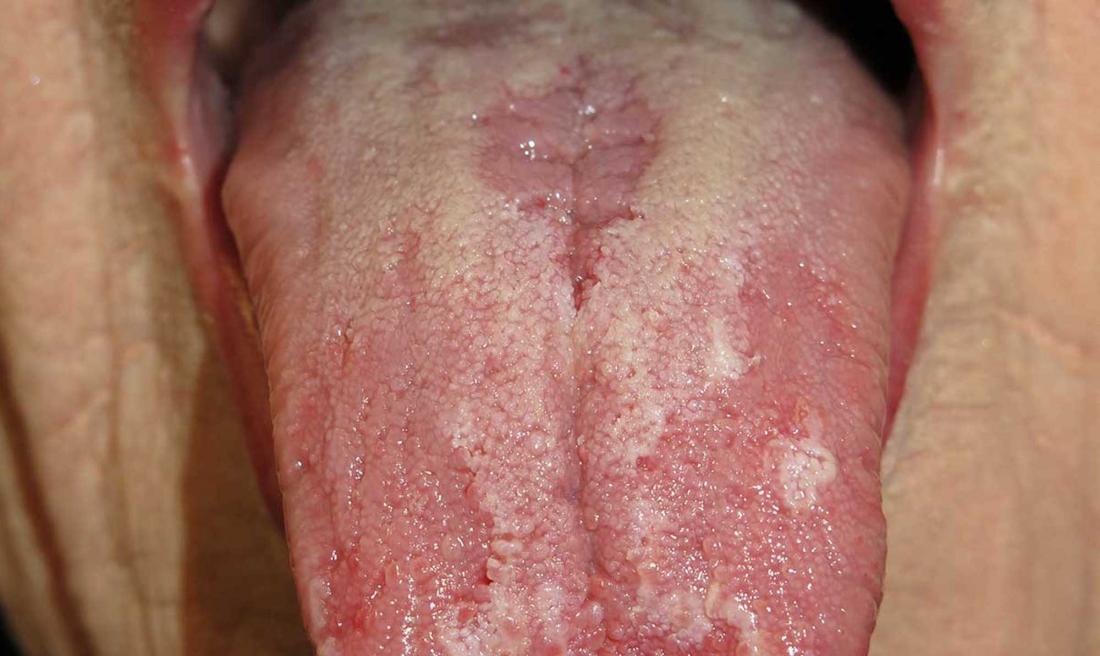
Glossitis, an inflammation of the tongue, is a condition that can turn everyday activities like eating, speaking, and tasting into painful challenges. With growing awareness of oral health’s link to overall wellness, glossitis remains a common yet often overlooked issue. It affects people of all ages, but certain populations such as those with nutritional deficiencies or weakened immune systems, are at higher risk. According to the National Institutes of Health (NIH), glossitis encompasses various conditions that present as a painful, discolored, or textured tongue, and it can signal serious systemic issues if left unchecked.
What Is Glossitis?
Glossitis is the medical term for inflammation of the tongue, which can lead to swelling, changes in color (often red or pale), alterations in texture (smooth or shiny appearance), and discomfort. According to the Cleveland Clinic, glossitis makes the tongue swell, resulting in a smooth surface that can impair speaking, chewing, or swallowing. The tongue, a muscular organ essential for taste, speech, and swallowing, is covered in small bumps called papillae. When inflamed, these papillae can shrink or disappear, giving the tongue a glossy look—hence the name “glossitis,” derived from the Greek word for tongue.
Oral Thrush: Causes, Symptoms, Diagnosis & Treatment Options
This condition is not a disease itself but often a symptom of underlying issues. Glossitis can be acute (sudden and severe) or chronic (recurring or persistent), and it may affect the entire tongue or specific areas. Types include atrophic glossitis (where papillae are lost, making the tongue shiny), median rhomboid glossitis (a central, diamond-shaped patch often linked to fungal infections), geographic glossitis (also called benign migratory glossitis, with map-like patches), and others like strawberry tongue (red and bumpy, seen in certain infections).
Epidemiologically, glossitis is widespread but underreported. NIH notes that oral lesions, including those on the tongue, affect about 27.9% of adults based on NHANES data, with glossitis variants like geographic tongue occurring in 1-2% of the population. It is more common in regions with nutritional deficiencies or among immunocompromised individuals. Early recognition is crucial, as untreated glossitis can lead to complications like airway obstruction in severe cases.
Causes of Glossitis
The causes of glossitis are multifaceted, ranging from local irritants to systemic health problems. Glossitis often stems from allergic reactions, injuries, infections, or nutritional deficiencies. Let’s break them down:
Nutritional Deficiencies
One of the most common causes is a lack of essential nutrients. Low iron levels reduce myoglobin, a protein vital for tongue muscle health, while vitamin B deficiencies (especially B12, folate, and riboflavin) lead to atrophic glossitis. Also, deficiencies in vitamins B1, B2, B3, B6, B9, and B12, as well as iron and protein-calorie malnutrition also helps. These are prevalent in vegetarians, vegans, or those with malabsorption issues like pernicious anemia or celiac disease.
Food Poisoning: Symptoms, Prevention, and Treatments
Infections
Infectious agents are another major culprit. Bacterial, viral (e.g., oral herpes), and fungal infections (e.g., Candida yeast) are key causes. Conditions like strawberry tongue can occur in bacterial infections such as scarlet fever or Kawasaki disease.
Allergic Reactions and Irritants
Allergies to foods, medications, or oral products can trigger acute glossitis. Cleveland Clinic mentions reactions to dental care products, spicy foods, alcohol, or tobacco. Mechanical irritation from burns, rough teeth, or ill-fitting dentures is also common.
Systemic and Autoimmune Conditions
Glossitis can signal broader health issues such as Sjögren’s syndrome (causing dry mouth), psoriasis, and autoimmune diseases, including down syndrome, burning mouth syndrome, and medications like ACE inhibitors or oral contraceptives. Hormonal changes and psychological factors like stress may exacerbate it.
Risk Factors
Certain factors increase susceptibility: poor oral hygiene, smoking, alcohol use, dry mouth (xerostomia), immunosuppression (e.g., HIV, chemotherapy), and genetic predispositions (e.g., familial glossitis).
Symptoms of Glossitis
Symptoms of glossitis vary by type and cause but generally revolve around tongue appearance and function. The Cleveland Clinic describes a smooth, glossy, red, swollen tongue that is sore or tender. Pain may worsen with spicy or hot foods.
Common symptoms include:
- Swelling and redness, making the tongue appear larger or discolored (pale or bright red).
- Smooth or shiny surface due to papillae loss.
- Burning, itching, or tenderness.
- Difficulty chewing, swallowing, or speaking.
- Changes in taste or a metallic mouth feel.
- In severe cases, airway blockage.
Specific types have unique signs: Atrophic glossitis shows a shiny, smooth tongue; median rhomboid glossitis presents as a central red patch; geographic glossitis features map-like patterns that migrate; strawberry tongue is red and bumpy with enlarged papillae, as noted in NCBI StatPearls.
Canker Sores: Causes, Symptoms, Diagnosis, and Treatment Options
If symptoms persist beyond 10 days or cause breathing issues, seek immediate care.
Diagnosis of Glossitis
Diagnosing glossitis starts with a thorough history and physical exam. A dentist or doctor reviews symptoms, medical history, and examines the tongue for papillae loss, swelling, or lesions. They may palpate for tenderness and check dental health.
Tests include:
- Blood tests for nutritional deficiencies (e.g., iron, B vitamins), infections, or inflammation markers like CRP/ESR.
- Saliva swabs or cultures for infections.
- Biopsy for suspicious lesions to rule out cancer or bullous diseases like pemphigus.
- Imaging (e.g., CT) if malignancy is suspected.
- Endocrine tests (e.g., HbA1c for diabetes) or rheumatologic panels for autoimmune causes.
Diagnosis is often straightforward but may require specialists for complex cases, especially in ruling out mimicking conditions like burning mouth syndrome or candidiasis.
Treatment Options for Glossitis
Treatment targets the underlying cause while providing symptomatic relief. MedlinePlus states that most cases resolve with addressing the trigger, such as antibiotics for infections or supplements for deficiencies.
Cause-Specific Treatments
- Infections: Antifungals like nystatin for Candida, antivirals for herpes, or antibiotics for bacterial causes.
- Nutritional Deficiencies: Supplements (e.g., oral iron, B12 injections) and dietary changes.
- Allergies/Irritants: Avoid triggers; use corticosteroid ointments for inflammation, per Cleveland Clinic.
- Autoimmune/Systemic: Manage the primary condition (e.g., immunosuppressants for psoriasis).
Fibromyalgia: Causes, Symptoms, and Treatments
Symptomatic Relief
- Oral hygiene: Brush teeth and tongue gently; use mouth rinses like saltwater or “magic mouthwash” with lidocaine for pain.
- Avoid irritants: Spicy/hot foods, alcohol, tobacco.
- In severe cases, hospitalization for swelling if airway is threatened.
Treatment is effective once the cause is identified, with recovery often quick. Emerging therapies like laser treatments for chronic glossitis show promise, though standard care remains cause-directed.
Prevention Strategies for Glossitis
Prevention focuses on lifestyle and health management. Good oral care such as brushing twice daily, flossing, and regular dental checkups, help prevent glossitis. Medical News Today advises a balanced diet rich in vitamins and iron, avoiding irritants, and managing chronic conditions.
Tips include:
- Eat nutrient-dense foods (leafy greens, meats, fortified cereals).
- Quit smoking and limit alcohol.
- Use gentle oral products; fix ill-fitting dentures.
- Stay hydrated to prevent dry mouth.
- Monitor for allergies and seek early treatment for infections.
Complications of Glossitis
While often benign, untreated glossitis can lead to chronic pain, scarring, or indicate malignancy. Severe swelling may block airways, requiring emergency care. It can affect nutrition in the long term if eating is painful.
Fatty Liver Disease: Causes, Symptoms, and Treatments
Conclusion
Glossitis is a treatable condition, but its diverse causes from deficiencies to infections, underscore the importance of professional evaluation. By recognizing symptoms like a swollen, red tongue and seeking diagnosis through exams and tests, you can access effective treatments like supplements or antimicrobials. Preventive measures like optimal nutrition and hygiene are key to avoiding recurrences. If you are experiencing persistent tongue issues, consult a healthcare provider—early action prevents complications and restores comfort.
Febrile Seizures: Causes, Symptoms, and Treatments
Epilepsy: Symptoms, Causes, Types of Seizures, and Treatment Options
Dental Abscess: Causes, Symptoms, Diagnosis & Treatment Options