

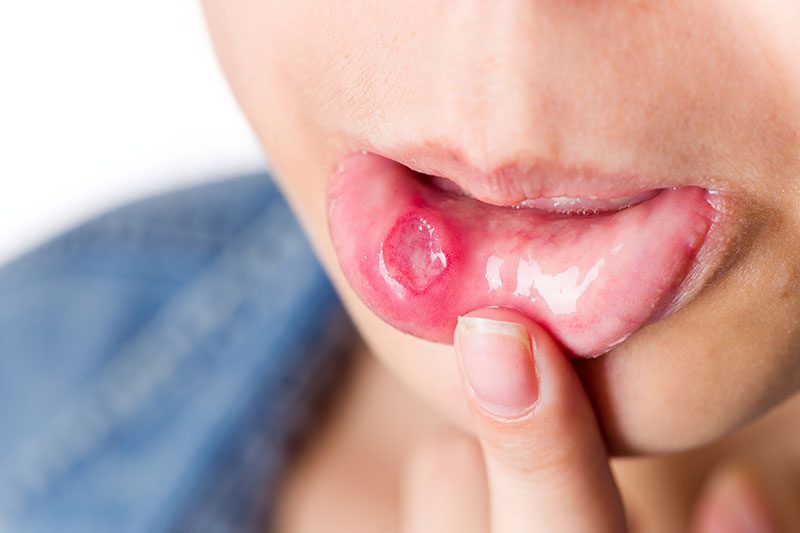
Canker sores, also known as aphthous ulcers, are one of the most common oral health issues, affecting up to 20-40% of the general population at some point in their lives. These painful lesions inside the mouth can disrupt daily activities like eating, speaking, and even smiling. Unlike cold sores, which are contagious and caused by the herpes virus, canker sores are non-contagious and often linked to a variety of triggers rather than a single pathogen. With increasing awareness of oral health’s impact on overall well-being, understanding canker sores is more important than ever. Poor management can lead to recurrent outbreaks, but with proper knowledge of causes, symptoms, diagnosis, and treatment, most people can find relief quickly.
What Are Canker Sores?
Canker sores are small, shallow ulcers that develop on the soft tissues inside the mouth or at the base of the gums. According to the Mayo Clinic, they appear as round or oval lesions with a white or yellow center and a red border. They differ from cold sores (fever blisters), which occur on the lips or around the mouth and are caused by the herpes simplex virus. Canker sores are not infectious and typically heal on their own, but they can be extremely painful.
Oral Thrush: Causes, Symptoms, Diagnosis & Treatment Options
The Cleveland Clinic describes them as painful sores that form on movable parts of the mouth, such as the tongue, inside of the lips or cheeks, or gums. They can range in size from a few millimeters to over a centimeter and may appear singly or in clusters. While anyone can get them, they are most prevalent in teens and young adults, with a higher incidence in females possibly due to hormonal factors.
Canker sores are benign but can indicate underlying health issues in rare cases.
Causes of Canker Sores
The exact cause of canker sores is not fully understood, but they result from a combination of factors that trigger inflammation in the mouth’s lining. Possible triggers include minor mouth injuries from dental work, aggressive brushing, sports accidents, or biting the cheek; sensitivity to foods like chocolate, coffee, strawberries, eggs, nuts, cheese, and spicy or acidic items; and deficiencies in vitamin B-12, zinc, folate, or iron. Other contributors are allergic reactions to mouth bacteria, Helicobacter pylori (the bacteria behind peptic ulcers), hormonal changes during menstruation, and emotional stress.
Canker sores may also stem from underlying conditions such as celiac disease (gluten sensitivity), inflammatory bowel diseases like Crohn’s or ulcerative colitis, Behcet’s disease (systemic inflammation), a faulty immune response attacking healthy mouth cells, or HIV/AIDS, which weakens immunity.
Food Poisoning: Symptoms, Prevention, and Treatments
Cleveland Clinic believes that stress, immune system dysregulation (e.g., from celiac disease, HIV, or IBD), medication side effects (beta-blockers, NSAIDs, immunosuppressants), nutritional deficiencies (vitamins B12/D, folate, iron, zinc), and genetic predisposition play roles. Triggers include acidic/spicy foods, caffeine, eggs, cheese, nuts, hormonal shifts, mouth injuries, and sodium lauryl sulfate in toothpastes.
In essence, canker sores arise from an interplay of environmental, genetic, and health-related factors that disrupt the oral mucosa’s balance.
Risk Factors for Canker Sores
Certain individuals are more susceptible to canker sores. They occur more often in teens and young adults, with a higher prevalence in females. A family history increases risk, suggesting genetic or shared environmental influences.
Cleveland Clinic emphasizes genetic predisposition, as canker sores often run in families, and notes they typically start before age 40, with rarity after that. Other risks include weak immunity, nutritional deficiencies, stress, and use of certain medications or toothpastes.
Additionally, lifestyle factors such as poor diet, high stress, and oral trauma also elevate chances.
Symptoms of Canker Sores
Symptoms of canker sores are primarily localized to the mouth and can vary in intensity. A tingling or burning sensation may precede the sore by 1-2 days. The sores themselves are painful, making eating and talking difficult, and they appear as white/yellow centers with red borders.
Fibromyalgia: Causes, Symptoms, and Treatments
Types of Canker Sores
Canker sores are classified into three types:
- Minor Canker Sores: Most common (85%), small (a few mm), oval with red edges, heal in 1-2 weeks without scarring.
- Major Canker Sores: Larger (1-3 cm), deeper, extremely painful, may take 6 weeks to heal and leave scars. Represent 10% of cases.
- Herpetiform Canker Sores: Rare (5%), pinpoint-sized in clusters of 10-100, irregular edges, heal in 1-2 weeks without scarring. They may merge into larger ulcers.
Diagnosis of Canker Sores
Diagnosis is straightforward and usually clinical. The sores can be identified by doctors or dentists via visual exam; tests are rare unless sores are severe or persistent, to rule out other conditions.
Treatment Options for Canker Sores
Most minor sores heal without treatment, but options alleviate pain and speed recovery. According to the Mayo Clinic, mouth rinses with dexamethasone or lidocaine reduce inflammation and pain. Topical products like benzocaine (Anbesol, Orabase), fluocinonide, or hydrogen peroxide gels provide relief.
Oral medications for severe cases include sucralfate, colchicine, or steroids. Cautery with Debacterol or silver nitrate can shorten healing. Nutritional supplements address deficiencies.
Home Remedies for Canker Sores
Home remedies offer natural relief. For instance, salt water or baking soda rinses, milk of magnesia dabs, avoiding irritants, ice application, and gentle brushing with SLS-free toothpaste.
Prevention Strategies
Prevention focuses mainly on avoiding triggers. Steering clear of irritating foods, maintaining a nutrient-rich diet, good oral hygiene, protecting against injuries, and stress reduction helps in prevention of Canker Sores.
When to See a Doctor for Canker Sores
Seek medical help for large, recurring, persistent (over 2 weeks), or painful sores interfering with eating/drinking, or if accompanied by fever.
Potential Complications of Canker Sores
While usually harmless, chronic sores can scar (major/herpetiform) or indicate systemic issues. Untreated underlying causes like deficiencies or diseases can worsen health.
Fatty Liver Disease: Causes, Symptoms, and Treatments
Glossitis: Causes, Symptoms, Diagnosis, and Treatment Options
Epilepsy: Symptoms, Causes, Types of Seizures, and Treatment Options