

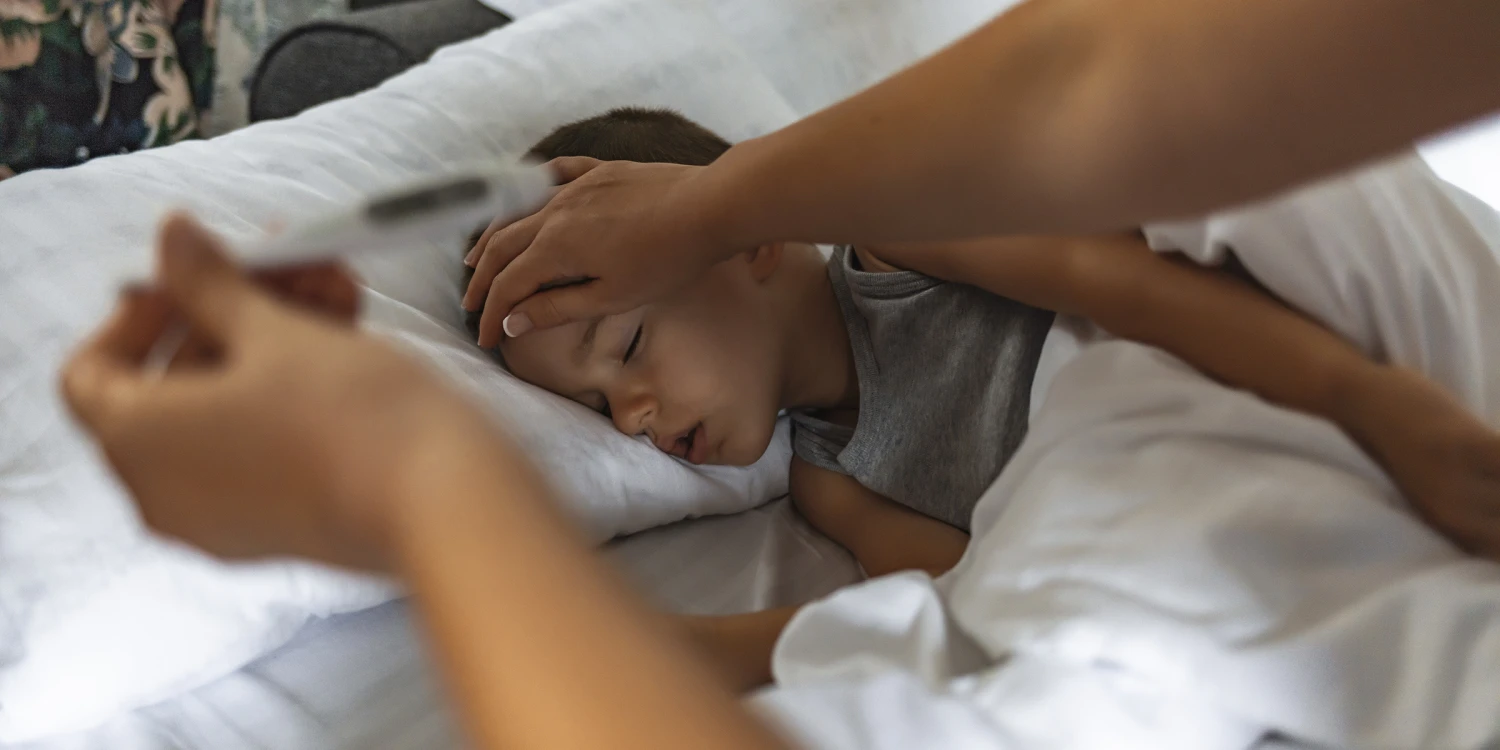
Febrile seizures are a common yet frightening experience for many parents, affecting young children during episodes of high fever. Often triggered by viral infections, these convulsions can occur in otherwise healthy kids, leaving caregivers worried about long-term effects. Understanding febrile seizures causes, symptoms, and treatments is crucial for effective management and peace of mind. According to experts, febrile seizures impact 3-4% of children between 6 months and 5 years old, with most cases being harmless and not leading to epilepsy or brain damage. By optimizing your response to febrile seizures, you can minimize risks and ensure your child’s safety.
Let’s explore the causes, symptoms, diagnosis, treatments, and prevention strategies for febrile seizures.
What Are Febrile Seizures?
Febrile seizures, also known as fever seizures, are convulsions triggered by a spike in body temperature, typically from an infection. They occur in young children whose developing brains are more sensitive to fever-induced electrical disturbances. Mayo Clinic defines febrile seizure as a convulsion caused by a fever in a child.
These seizures are classified into two types:
- Simple Febrile Seizures: The most common type, lasting from a few seconds to 15 minutes, affecting the whole body, and occurring only once in 24 hours. They account for the majority of cases and are generally benign.
- Complex Febrile Seizures: Longer than 15 minutes, recurring within 24 hours, or affecting only one side of the body. These may require more thorough evaluation
Oral Thrush: Causes, Symptoms, Diagnosis & Treatment Options
Febrile seizures are not epilepsy, as they are provoked by fever rather than unprovoked brain activity. The National Institute of Neurological Disorders and Stroke (NINDS) emphasizes, “Having a febrile seizure does not mean a child has epilepsy“. They typically happen between 6 months and 5 years of age, peaking at 12-18 months, and most children outgrow them by school age.
Causes of Febrile Seizures
The primary cause of febrile seizures is a rapid rise in body temperature, often from viral infections like the flu, or roseola. Bacterial infections, such as ear infections, are less common triggers. Seizures often occur on the first day of illness when the temperature rises above 101°F (38.3°C), but they can happen with lower fevers too.
Genetic factors play a role, with 10-33% of affected children having a family history of seizures. Certain risk factors increase susceptibility:
- Age under 18 months at first seizure
- Family history of febrile seizures
- Developmental delays or history of neonatal intensive care
- Low-grade fever triggering the initial episode
Vaccinations can rarely cause febrile seizures due to post-vaccination fever, but as the Mayo Clinic notes, “The fever, not the vaccine, causes the seizure”. Recommended vaccines actually help prevent some by protecting against fever-causing diseases like measles and influenza.
In rare cases, central nervous system infections like meningitis can mimic febrile seizures, but these are distinct and require immediate attention.
Food Poisoning: Symptoms, Prevention, and Treatments
Symptoms of Febrile Seizures
Recognizing febrile seizures symptoms is key to responding appropriately. During a seizure, a child may:
- Lose consciousness
- Experience uncontrollable shaking, stiffening, or jerking of limbs
- Roll their eyes back
- Have difficulty breathing or turn blue
- Lose bladder or bowel control, with drooling or vomiting
Simple seizures last seconds to minutes, followed by drowsiness. Complex ones may involve focal symptoms, like twitching on one side. The child may stiffen and have jerking movements in part of the body or the whole body.
Post-seizure, children often feel confused or sleepy but recover quickly. Symptoms usually coincide with fever onset, sometimes being the first sign of illness.
Diagnosis of Febrile Seizures
Diagnosis begins with a thorough medical history and physical exam to rule out other causes like epilepsy or infection. For simple febrile seizures in vaccinated, healthy children, no further testing is typically needed.
However, if the child has delayed vaccinations or immune issues, tests may include:
- Blood and urine tests to identify infection
- Lumbar puncture (spinal tap) for suspected meningitis, especially in infants under 1 year
For complex seizures, an EEG or MRI might be ordered to assess brain activity. The NINDS recommends, “To diagnose what’s causing a complex febrile seizure, a healthcare provider may also order an EEG… or an MRI”.
Hospitalization is rare for simple cases but may occur for young infants or severe infections.
Treatments for Febrile Seizures
Most febrile seizures resolve on their own without treatment. The focus is on managing the fever and underlying cause. During a seizure, parents should:
- Place the child on a soft surface on their side
- Time the seizure
- Remove nearby hazards
- Avoid restraining or putting anything in their mouth
Stay close to watch and comfort your child. Fever-reducing medications like acetaminophen or ibuprofen can comfort the child but do not prevent seizures, as numerous studies have shown that treating a fever does not lower the risk of febrile seizure.
Canker Sores: Causes, Symptoms, Diagnosis, and Treatment Options
For recurrent or prolonged seizures, rescue medications like rectal diazepam or nasal midazolam may be prescribed.
Prevention and Lifestyle Management
Preventing febrile seizures is challenging, as they are unpredictable. However, managing fevers promptly with appropriate medications can help, though not guaranteed. Avoiding aspirin in children due to Reye’s syndrome risk is crucial.
Staying current on vaccinations reduces infection risks. For high-risk children, discussing prophylactic options with a pediatrician is advisable.
Lifestyle tips include monitoring for fever early, ensuring hydration, and creating a safe environment. Parents should educate themselves on first aid to reduce anxiety.
When to Seek Medical Help
Seek immediate care for the first febrile seizure to rule out serious causes. Also, seek medical help if:
- Seizure lasts >5 minutes
- Seizures occur repeatedly
- Your child does not recover quickly
- Signs of meningitis (stiff neck, excessive vomiting) occur
Outlook and Potential Complications
The outlook for febrile seizures is excellent; most cause no long-term harm. Simple seizures do not lead to brain damage or epilepsy. However, complex or prolonged ones slightly increase epilepsy risk, especially with neurological issues.
Fibromyalgia: Causes, Symptoms, and Treatments
Fatty Liver Disease: Causes, Symptoms, and Treatments
Glossitis: Causes, Symptoms, Diagnosis, and Treatment Options