

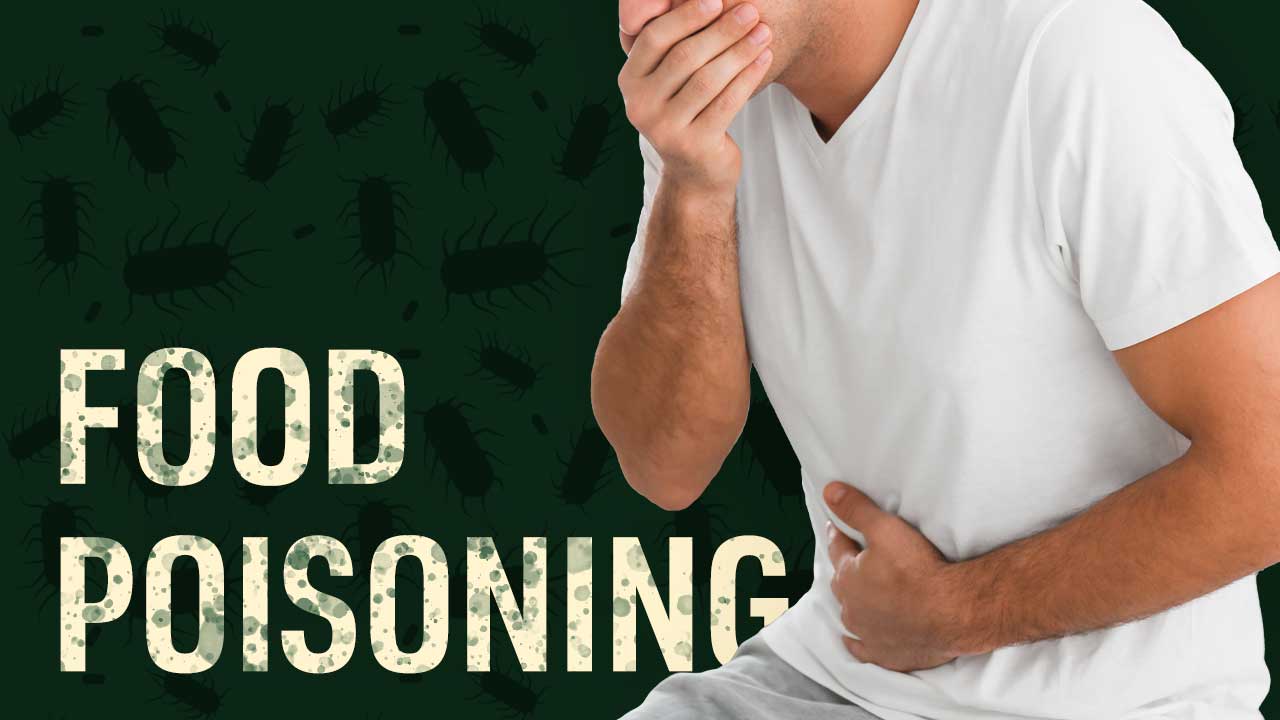
Food poisoning, also known as foodborne illness, is a widespread yet preventable health issue that impacts millions globally each year. Caused by consuming contaminated food or water, it can lead to uncomfortable and sometimes severe symptoms, ranging from nausea to life-threatening complications. Understanding food poisoning symptoms, causes, prevention strategies, and treatments is critical for protecting yourself and your loved ones. According to the Centers for Disease Control and Prevention (CDC), approximately 48 million people in the U.S. experience foodborne illness annually, resulting in 128,000 hospitalizations and 3,000 deaths. By implementing simple preventive measures and knowing when to seek medical help, you can minimize risks and recover quickly.
What is Food Poisoning?
Food poisoning occurs when you consume food or beverages contaminated with harmful bacteria, viruses, parasites, or toxins, leading to illness. These contaminants irritate the digestive system, causing symptoms like vomiting and diarrhea. The Mayo Clinic defines food poisoning as “an illness caused by eating contaminated food”. It is not the same as the stomach flu, though symptoms may overlap. The National Institute of Diabetes and Digestive and Kidney Diseases (NIDDK) explains, “Food poisoning, also called foodborne illness, is an infection or irritation of your digestive tract that spreads through food or drinks”.
High-risk groups include young children, pregnant women, older adults, and those with compromised immune systems, who face greater risks of severe outcomes. Globally, the World Health Organization estimates 600 million cases of foodborne illness annually, underscoring its public health significance. Food poisoning is typically not contagious person-to-person but can spread through shared contaminated food or poor hygiene practices.
Oral Thrush: Causes, Symptoms, Diagnosis & Treatment Options
Bacteria thrive in the “danger zone” (40°F–140°F), making improper food handling a key contributor. Understanding what food poisoning is empowers you to act swiftly to manage symptoms and prevent recurrence.
Causes of Food Poisoning
Food poisoning results from consuming food or water contaminated by pathogens or toxins. The CDC identifies bacteria like Salmonella, E. coli, and Listeria as leading causes, followed by viruses like norovirus and parasites like Toxoplasma. Contamination can occur during food production, processing, or preparation.
Common Causes
- Bacteria:
- Salmonella: Found in poultry, eggs, and unpasteurized dairy. Humans become infected most frequently through contaminated water or food.
- E. coli: Common in undercooked beef, raw milk, or contaminated produce like lettuce.
- Listeria: Present in deli meats, soft cheeses, and unpasteurized products, posing high risks for pregnant women.
- Staphylococcus aureus: Spread through improper handling, as in salads or sandwiches.
- Clostridium perfringens: Often in improperly stored cooked meats.
- Viruses: Norovirus, spread via contaminated food handlers or shellfish, is highly contagious.
- Parasites: Giardia or Cyclospora from tainted water or produce.
- Toxins: Botulinum toxin in improperly canned goods causes severe botulism.
Risk Factors
Contamination often stems from:
- Undercooked meat or poultry
- Unpasteurized dairy or juices
- Raw or undercooked eggs
- Improperly washed produce
- Cross-contamination (e.g., using the same cutting board for raw meat and vegetables)
- Poor storage (leaving food in the danger zone)
The FDA warns, “Eating raw flour, eggs, or dough could lead to food poisoning”. Understanding these causes is the foundation for effective prevention.
Canker Sores: Causes, Symptoms, Diagnosis, and Treatment Options
Symptoms of Food Poisoning
Food poisoning symptoms typically emerge within hours to days after consuming contaminated food, varying by pathogen. Common symptoms include diarrhea, stomach pain or cramps, nausea, vomiting, and fever. Severity and duration depend on the contaminant and individual health.
Common Symptoms
- Nausea and Vomiting: Often the first signs, as the body tries to expel toxins.
- Diarrhea: Watery or bloody, lasting from hours to days.
- Abdominal Pain and Cramps: Caused by intestinal inflammation.
- Fever: Indicates infection, especially with bacteria like Salmonella.
- Headache and Fatigue: Due to dehydration or toxin effects.
- Dehydration: Signs include dry mouth, dizziness, reduced urine output, or rapid heartbeat.
Pathogen-Specific Symptoms
- Salmonella: Fever, diarrhea, cramps starting 6 hours to 6 days after exposure.
- Listeria: Flu-like symptoms, muscle aches, or severe complications like meningitis in high-risk groups.
- Norovirus: Sudden vomiting and diarrhea, resolving in 1-3 days.
- Botulism: Neurological symptoms like blurred vision, difficulty swallowing, or paralysis, requiring urgent care.
Most cases resolve within 1-2 days, but WebMD cautions, “Some people have such bad symptoms that they may need to go to the hospital”. Tracking symptoms helps determine when medical attention is needed.
When to See a Doctor
While most cases are self-limiting, seek medical help if you experience:
- Symptoms lasting over 48 hours
- High fever (>102°F)
- Bloody diarrhea or stools
- Severe dehydration (e.g., inability to keep fluids down, extreme thirst)
- Neurological symptoms (e.g., blurred vision, muscle weakness)
- Signs of hemolytic uremic syndrome (e.g., little to no urine, bruising)
Dental Caries: Causes, Symptoms, Diagnosis and Treatment Options
High-risk groups (pregnant women, infants, elderly, immunocompromised) should consult a doctor promptly. For severe food poisoning caused by certain bacteria, such as listeria, your child may get antibiotics.
Diagnosis of Food Poisoning
Diagnosis involves a medical history review, physical exam, and sometimes lab tests. Doctors inquire about recent foods consumed, symptom onset, and travel history. The Mayo Clinic notes, “Diagnosis is based on a physical exam and a medical history”. Food Poisoning Tests may include:
- Stool Samples: To identify bacteria or parasites.
- Blood Tests: To assess dehydration, infection, or organ function.
- Food Testing: In outbreaks, public health officials analyze food samples.
Specific tests like PCR or cultures pinpoint pathogens like Salmonella or E. coli. Accurate diagnosis ensures appropriate treatment.
Treatments for Food Poisoning
Treatment focuses on symptom relief and preventing complications, as most cases resolve without specific intervention. The primary goal is maintaining hydration. It is necessary to avoid food for the first few hours as your stomach settles down and drink water, broth, or an electrolyte solution.
Fibromyalgia: Causes, Symptoms, and Treatments
Key Treatments
- Hydration: Oral rehydration solutions (ORS) like Pedialyte restore electrolytes. Severe cases may require IV fluids in a hospital.
- Medications:
- Antidiarrheals (e.g., loperamide) for non-bloody diarrhea, but avoid if bacterial infection is suspected, as it can prolong illness.
- Anti-nausea drugs to reduce vomiting.
- Antibiotics for severe bacterial infections like Listeria or Salmonella.
- Rest: Allows the body to recover energy.
For botulism, antitoxins are critical, and hospitalization is often required. Pregnant women may need specialized care to protect the fetus.
Home Remedies for Food Poisoning
Home remedies can support recovery:
- Ginger: Ginger tea or chews reduce nausea.
- BRAT Diet: Bananas, rice, applesauce, and toast are gentle on the stomach.
- Probiotics: Yogurt or supplements restore gut flora.
- Bismuth Subsalicylate: Pepto-Bismol eases nausea and diarrhea.
- Rice Water: Helps rehydrate and soothe the gut.
Reintroduce foods gradually, starting with bland options. Avoid dairy, caffeine, and fatty foods initially, as they can worsen symptoms.
Prevention of Food Poisoning
Preventing food poisoning hinges on safe food handling, following the FDA’s four steps: Clean, Separate, Cook, Chill.
Prevention Tips
- Clean:
- Wash hands for 20 seconds with soap before and after handling food.
- Rinse produce thoroughly, even if peeling.
- Sanitize surfaces, utensils, and cutting boards.
- Separate:
- Use separate cutting boards for raw meat and produce.
- Keep raw foods away from ready-to-eat items to avoid cross-contamination.
- Cook:
- Cook foods to safe internal temperatures: poultry (165°F), ground beef (160°F), pork (145°F).
- Use a food thermometer for accuracy.
- Chill:
- Refrigerate perishables within 2 hours (1 hour if above 90°F).
- Thaw foods in the fridge, cold water, or microwave, not at room temperature.
Additional tips:
- Avoid high-risk foods like raw eggs, unpasteurized milk, or undercooked seafood.
- Check expiration dates and discard spoiled food.
- For Listeria prevention, the FDA advises, “Chill at the right temperature” and “use ready-to-eat foods quickly”.
- Be cautious at buffets or picnics, ensuring foods are kept hot or cold.
Education and vigilance are your best defenses against food poisoning.
Fatty Liver Disease: Causes, Symptoms, and Treatments
Conclusion: Safeguarding Against Food Poisoning
Food poisoning, while common, is preventable and manageable with the right knowledge. By understanding food poisoning symptoms like nausea and diarrhea, recognizing causes such as Salmonella or norovirus, and applying treatments like hydration and rest, you can recover quickly. Prevention through safe food handling is key, as the CDC emphasizes, “Everyone can take steps to prevent food poisoning”. With proper care, you can enjoy meals safely and confidently.
Glossitis: Causes, Symptoms, Diagnosis, and Treatment Options
Epilepsy: Symptoms, Causes, Types of Seizures, and Treatment Options
Periodontal Disease: Causes, Symptoms, Diagnosis and Treatment Options