

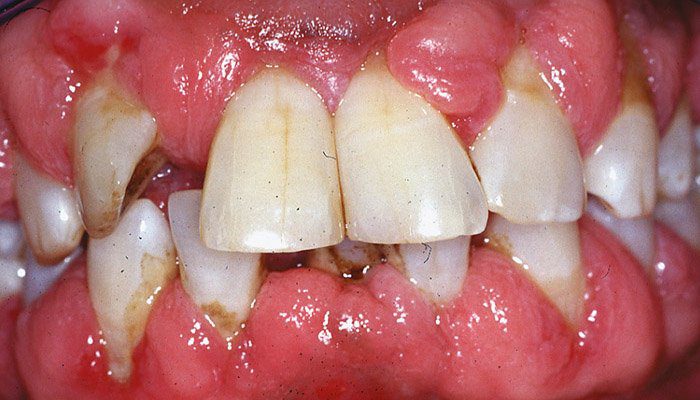
Introduction: More Than Just Gums
Periodontal disease, often silently progressing beneath the gum line, is a chronic inflammatory condition that affects the supporting structures of your teeth—the gums, periodontal ligament, and alveolar bone. It is a major cause of tooth loss in adults worldwide and is intricately linked to overall systemic health. According to the Centers for Disease Control and Prevention (CDC), 47.2% of adults aged 30 years and older have some form of periodontal disease, with prevalence increasing to 70.1% in adults 65 and older. This is not just a dental issue; it is a significant public health concern.
Understanding Periodontal Disease – The Basics
Periodontal disease, commonly called gum disease, begins as gingivitis—a reversible inflammation of the gums. If left untreated, it can advance to periodontitis, where the inner layer of the gum and bone pull away from the teeth, forming infected “pockets.” The body’s immune system fights the bacteria as plaque spreads below the gum line. Bacterial toxins and the body’s enzymes fighting the infection start to break down the bone and connective tissue that hold teeth in place.
Oral Thrush: Causes, Symptoms, Diagnosis & Treatment Options
The American Academy of Periodontology (AAP) defines periodontitis as “a chronic inflammatory disease associated with bacterial dysbiosis (an imbalanced microbial community) and characterized by progressive destruction of the tooth-supporting apparatus.”
The Root Causes – What Leads to Periodontal Disease?
The primary cause of Periodontal Disease is bacterial plaque, a sticky, colorless film that constantly forms on your teeth. However, the progression is influenced by a complex interplay of factors.
- Primary Cause: Bacterial Plaque Biofilm
Plaque that is not removed by daily brushing and flossing hardens into calculus (tartar), which acts as a scaffold for more plaque to accumulate. The bacteria within the plaque biofilm release toxins that trigger inflammation. - Modifiable Risk Factors & Causes:
- Poor Oral Hygiene: Inadequate brushing and flossing is the most significant controllable risk factor.
- Tobacco Use: Smoking or chewing tobacco is one of the strongest risk factors. It also compromises healing. The CDC states that smokers have twice the risk for gum disease compared to non-smokers.
- Hormonal Changes: Puberty, pregnancy, menopause, and menstruation can make gums more sensitive and susceptible to gingivitis.
- Medications: Hundreds of medications, including oral contraceptives, antidepressants, and some heart medicines, can reduce saliva flow (which has a protective effect) or cause abnormal gum tissue growth.
- Systemic Diseases: Diseases that interfere with the immune system, like diabetes, rheumatoid arthritis, and Crohn’s disease, can worsen gum health. The Mayo Clinic notes a two-way relationship with diabetes: “Because diabetes reduces resistance to infection, the gums are at risk. What’s more, serious gum disease (periodontitis) may affect blood sugar control and contribute to the progression of diabetes.”
- Poor Nutrition: A diet lacking in essential nutrients, especially vitamin C, can impair the body’s immune response and healing capacity.
- Non-Modifiable Risk Factors:
- Genetics: Some individuals are genetically more susceptible to severe periodontitis, regardless of their oral care habits.
- Age: The prevalence increases with age.
Food Poisoning: Symptoms, Prevention, and Treatments
Recognizing the Symptoms of Periodontal Disease – From Silent to Severe
Symptoms often progress unnoticed until significant damage has occurred. Being vigilant is key.
Early Stage (Gingivitis):
- Red, swollen, or tender gums.
- Gums that bleed easily during brushing or flossing.
- Bad breath (halitosis) that does not go away.
- Reversible with professional treatment and good home care.
Advanced Stage (Periodontitis):
- Receding gums, making teeth look longer (“long in the tooth”).
- Formation of deep pockets between teeth and gums.
- Persistent bad breath or a bad taste in the mouth.
- Loose or shifting teeth, affecting bite.
- Pus between gums and teeth.
- Changes in the fit of partial dentures.
- Visible changes in tooth spacing.
- Pain when chewing.
The U.S. National Institute of Dental and Craniofacial Research (NIDCR) warns that “gum disease can be silent, meaning symptoms may not appear until an advanced stage.” This underscores the importance of regular check-ups.
Diagnosis of Periodontal Disease – How Dentists Assess Your Gum Health
Diagnosis of Periodontal Disease involves a comprehensive evaluation, not just a visual check.
- Periodontal Probing & Charting:A dentist or periodontist uses a small ruler (probe) to measure the pocket depth of the groove between your gums and teeth. Healthy pockets are 1-3mm. Deeper pockets (4mm+) indicate disease.
2. Review of Medical History:To identify underlying conditions or risk factors (like smoking, diabetes) contributing to the problem.
3. Dental X-Rays (Radiographs): To check for bone loss in areas where deeper pockets are present. Cone-beam computed tomography (CBCT) scans may be used in complex cases.
4. Examination of Tooth Mobility & Sensitivity: Checking for loose teeth and assessing your bite.
5. Other Tests: These may include:
Microbial Tests: To identify specific disease-causing bacteria.
Genetic Tests: To assess susceptibility, often via a saliva sample.
Treatment Options for Periodontal Disease
Treatment aims to control infection, reduce inflammation, and restore supportive tissues. It varies by stage and may include non-surgical or surgical approaches.
Canker Sores: Causes, Symptoms, Diagnosis, and Treatment Options
Phase I: Non-Surgical Therapies (For mild-to-moderate periodontitis)
- Professional Dental Cleaning (Prophylaxis): For gingivitis only.
- Scaling and Root Planing (SRP): Often called a “deep cleaning.” This gold-standard non-surgical treatment involves meticulously removing plaque and tartar from tooth surfaces and root pockets, then smoothing (planing) the root surfaces to help gums reattach. This may be done over multiple visits, often with local anesthesia.
- Antimicrobial Adjuncts: These may be recommended alongside SRP and include:
- Antibiotic Mouth rinses (e.g., chlorhexidine).
- Antibiotic gels, chips, or microspheres placed directly into pockets after SRP (e.g., Arestin® containing minocycline).
- Oral systemic antibiotics for severe, acute infections.
Phase II: Surgical Therapies (For advanced periodontitis or where non-surgical therapy was insufficient)
- Flap Surgery (Pocket Reduction Surgery): Gums are gently lifted back to expose roots for more effective scaling and planning. The bone may be contoured before the gum tissue is sutured back, making the area easier to clean.
- Bone Grafting: Used to regenerate bone destroyed by periodontitis. Grafts can be made from small fragments of your own bone, synthetic bone, or donated bone.
- Guided Tissue Regeneration (GTR): A biocompatible fabric is placed between the bone and gum tissue, allowing bone to regrow.
- Soft Tissue Grafts: Used to reinforce thin gums or fill places where gums have receded, often using tissue from the palate.
- Platelet-Rich Plasma (PRP) and Growth Factors: Advanced techniques using derivatives of your own blood to accelerate healing and regeneration.
Phase III: Maintenance (Periodontal Maintenance)
This is the lifelong, most critical phase. After active treatment, patients enter a maintenance program, typically involving professional cleanings every 3-4 months (as opposed to every 6). This is essential to prevent disease recurrence.
Fibromyalgia: Causes, Symptoms, and Treatments
The Mouth-Body Connection: Why Treating Gum Disease Matters
Research firmly establishes that oral health is not isolated. Chronic inflammation from periodontitis has been associated with:
- Cardiovascular Disease: Bacteria and inflammation may contribute to heart disease, clogged arteries, and stroke.
- Diabetes: As mentioned, the relationship is bidirectional. Controlling gum disease can help improve blood sugar control.
- Respiratory Diseases: Bacteria can be inhaled into the lungs, potentially causing pneumonia.
- Adverse Pregnancy Outcomes: Associated with low birth weight and preterm birth.
- Rheumatoid Arthritis: The inflammation processes are strikingly similar.
The American Heart Association has published a statement acknowledging the association, noting that while a causative link is not yet proven, “periodontal disease is a risk factor for atherosclerotic vascular disease independent of traditional risk factors.”
Dental Caries: Causes, Symptoms, Diagnosis and Treatment Options
Prevention – Your Daily Role
Prevention is always better and more cost-effective than cure. Prevention is straightforward and effective. Brush twice daily with fluoride toothpaste for two minutes, floss daily, and use interdental cleaners if needed. Regular dental cleanings every 6-12 months remove tartar you cannot reach.
- Meticulous Oral Hygiene: Brush twice daily with a fluoride toothpaste, using proper technique. Clean between teeth daily with floss or interdental brushes.
- Regular Dental Visits: Schedule check-ups and professional cleanings as recommended by your dentist (usually every 6 months, or more frequently if you have risk factors).
- Quit Smoking/Tobacco: This is one of the most significant steps you can take for your oral and overall health.
- Eat a Balanced Diet: Limit sugary snacks and drinks. A diet rich in vitamins (especially C) and minerals supports immune function.
- Manage Systemic Conditions: Work with your physician to control diabetes and other inflammatory conditions.
Fatty Liver Disease: Causes, Symptoms, and Treatments
Taking Control of Your Periodontal Health
Periodontal disease is a widespread but largely preventable and treatable condition. Understanding its causes from plaque biofilm to lifestyle factors empowers you to take proactive steps. Recognizing the often-subtle symptoms and seeking timely professional diagnosis is crucial to halt its progression before it leads to tooth loss and impacts your systemic health. With a modern, stepwise treatment approach ranging from non-surgical deep cleaning to advanced regenerative surgeries, there are effective solutions for every stage. By committing to a strong partnership with your dental care provider and adopting vigilant daily oral hygiene, you can preserve your smile, your teeth, and contribute positively to your long-term overall well-being. Your oral health is a mirror of your body’s health—look after it.
Glossitis: Causes, Symptoms, Diagnosis, and Treatment Options
Oral Cancer: Causes, Symptoms, Diagnosis and Treatment Options
Epilepsy: Symptoms, Causes, Types of Seizures, and Treatment Options